

ECB’s Lagarde receives 140,000 euros from Bank for International Settlements
This comes despite the central bank’s ban on third-party payments to staff
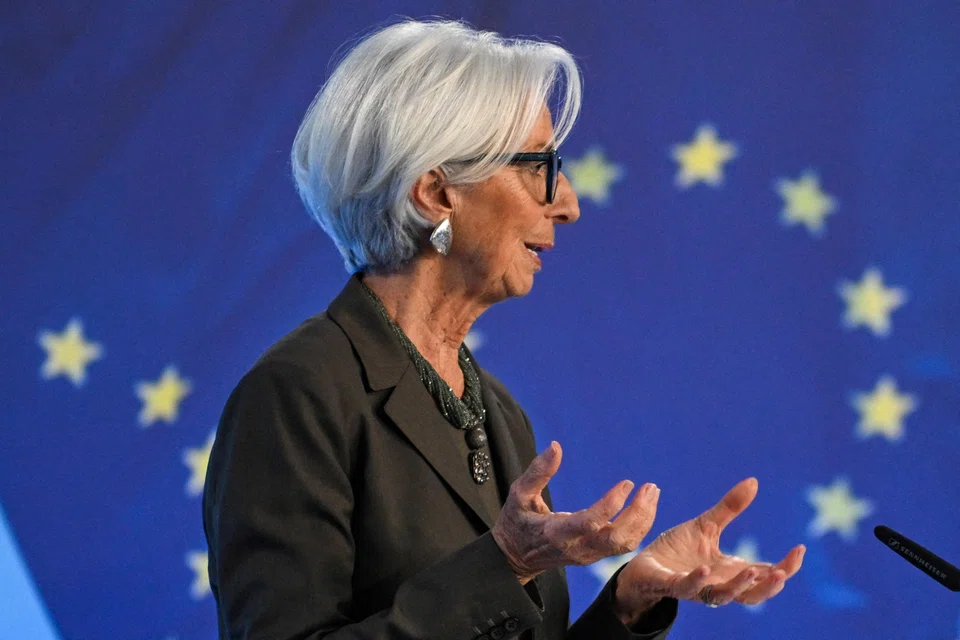
[BENGALURU] European Central Bank (ECB) president Christine Lagarde received about 140,000 euros (S$209,300) a year as a Bank for International Settlements (BIS) board member.
This was despite an ECB ban on third-party payments to staff, the Financial Times (FT) reported on Monday (Feb 23).
Some ECB employees, using internal message boards, have complained about the apparent double standard in the treatment of the president’s remuneration from the BIS, based on the report.
The BIS did not disclose payments individually.
In a written statement on Friday to German member of the European Parliament Fabio De Masi and his colleague, Lagarde disclosed for the first time that she received 140,000 euros from the BIS in 2025, based on the report.
ECB staff “cannot accept remuneration for activities they perform exercising their ECB task”, the European bank told FT.



The BIS and ECB did not immediately respond to requests for a comment. Reuters could not immediately verify the report.
Lagarde’s position at the helm of ECB has been under scrutiny after FT reported on Feb 18 that she planned to step down before next spring’s French presidential election.
However, Reuters reported that she told colleagues she remained focused on her job, and would tell them first if she was about to step down, citing sources. REUTERS
Decoding Asia newsletter: your guide to navigating Asia in a new global order. Sign up here to get Decoding Asia newsletter. Delivered to your inbox. Free.
Share with us your feedback on BT's products and services
TRENDING NOW

Grab CEO’s wife Chloe Tong on life with Anthony Tan and finding her purpose

Income Insurance appoints former Manulife Singapore top man as new CEO

Incidence of civil servants buying property near unannounced MRT stations ‘a concern’, but may not establish misconduct: PSD
Three ex-employees of Envy group join Ng Yu Zhi in bankruptcy

