ECB's Lagarde says inflation spike is 'largely transitory'
 Add BT as a preferred source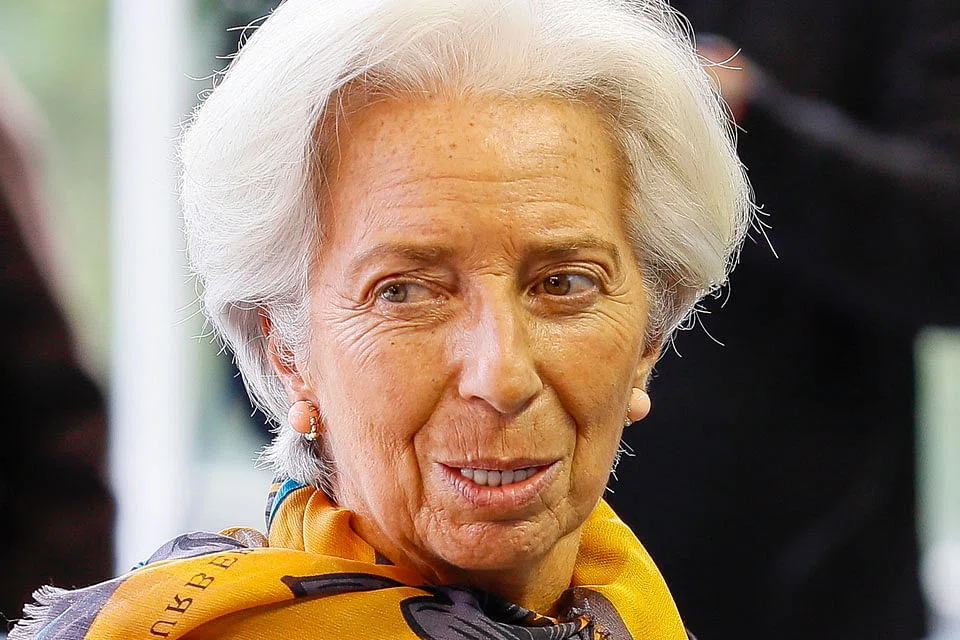
Zurich
THE current spike in inflation is unlikely to last, European Central Bank (ECB) President Christine Lagarde said, while vowing to continue aiding the euro area economy as the fallout from the pandemic lingers.
"Inflation is largely transitory," she said last Saturday after delivering the 2021on Oct 16 at the International Monetary Fund Annual Meetings. The ECB is paying "very close attention" to wage negotiations and other potential second-round effects that could drive prices higher more permanently, she said.
Euro area consumer prices rose 3.4 per cent in September, the highest rate in 13 years. The ECB predicts inflation will peak later this year before slowing down in 2022, with price growth projected to undershoot its target in the medium term. "Monetary policy will continue supporting the economy in order to durably stabilise inflation at our 2 per cent inflation target over the medium term," Lagarde said. "The ECB is committed to preserving favourable financing conditions for all sectors of the economy over the pandemic period."
The ECB rolled out a 1.85 trillion-euro (S$2.89 trillion) emergency scheme to support the region during the Covid period. That programme is due to end in March and the Frankfurt-based central bank is already preparing to transition to post-pandemic stimulus.
It is studying a new bond-buying programme to prevent any market turmoil once when crisis purchases end, officials familiar with the matter told Bloomberg a week ago. "Once the pandemic emergency comes to an end - which is drawing closer - our forward guidance on rates as well as asset purchases will ensure that monetary policy remains supportive of the timely attainment of our target," Lagarde said.
She also warned that the globalised nature of the euro area's economy makes it highly vulnerable to systemic shocks from supply chain disruptions.
"There are signs that the global economy could increasingly be a source of shocks for Europe rather than a stabiliser against volatility," Lagarde said.
Bottlenecks affect the "euro area more than other economies by virtue of our exposure to globalisation," she said.
Lagarde highlighted an issue that's currently upending world commerce, from shipping to semiconductors to food. The just-in-time inventory management that has ruled global trade for decades is "highly vulnerable to systemic shocks", she said, adding that this "imported volatility" might increase rather than decrease.
She said the dynamics of international trade may shift as more firms end up holding permanently higher inventories as an insurance policy against disruptions.
There's already evidence that some companies are holding higher levels of foreign inputs that are more difficult to source, she said. "Faced with historically long delivery times, global manufacturers' stockpiling of inputs continues to run higher than before the pandemic."
If that persists, "we could see a more volatile industrial business cycle". BLOOMBERG
Decoding Asia newsletter: your guide to navigating Asia in a new global order. Sign up here to get Decoding Asia newsletter. Delivered to your inbox. Free.
Share with us your feedback on BT's products and services