

Escape from the city? Londoners lead Europe in Covid-inspired dreams of flight
 Add BT as a preferred source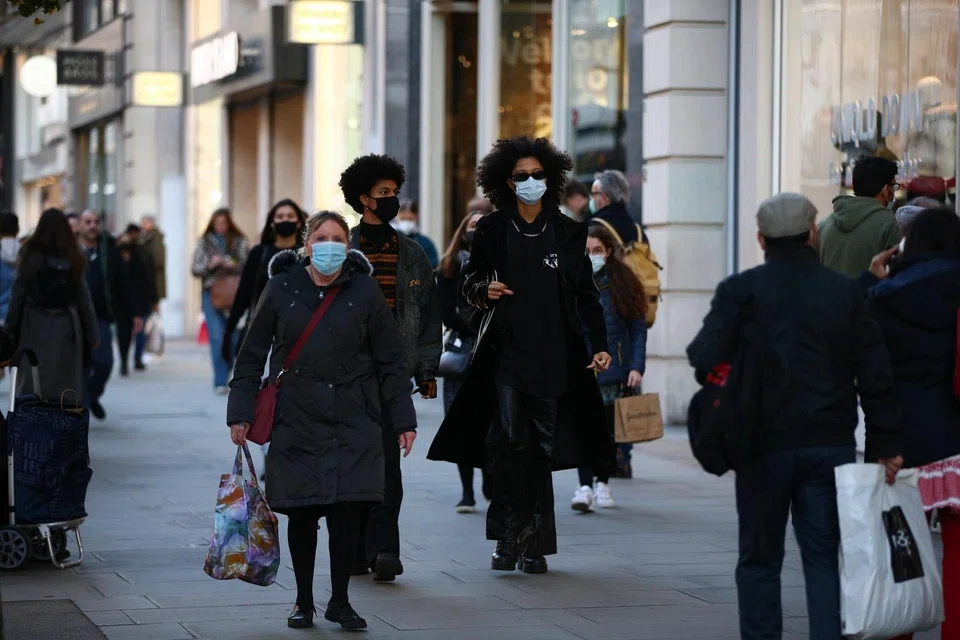
DeeperDive is a beta AI feature. Refer to full articles for the facts.
[LONDON] More than 40 per cent of people in large European cities have considered moving away due to the new coronavirus pandemic, a survey showed on Thursday, with Londoners most prone to dreaming of living in a smaller town with better access to parks and other amenities.
Half of urban dwellers in London, Paris, Milan, Madrid and Berlin said lockdowns had made them more concerned about overcrowding and air pollution, according to the poll by British engineering firm Arup.
"The pandemic has brought home the way in which our living environments can be disrupted," said Arup's urban design leader Malcolm Smith, adding people have re-evaluated the importance of living near essential services like shops and green spaces.
Two-fifths of respondents in the British capital said they had temporarily left for a less populated area during the pandemic, compared to only about one in ten in Madrid and Milan.
This is because Londoners have to travel longer distances than their continental counterparts to reach services such as green areas, grocery shops, gyms and cafes, found the poll, based on interviews with some 5,000 people in five cities.
"During lockdown, we felt quite isolated in our residential area, with amenities really far away," said Bryndis Sadler, 27, who left west London's Acton suburb to buy a home about 64km north in Hitchin, Hertfordshire, in October.
Navigate Asia in
a new global order
Get the insights delivered to your inbox.
Londoners were the most prone to dream about an escaping the city, with 59 per cent saying they had considered leaving, against 41 per cent of Parisians and 30 per cent of Berliners.
Covid-19 highlighted the importance of living within walking or cycling distance of a green area, 85 per cent of respondents said.
It took Londoners an average of 20 minutes to get to a park or play area, almost twice that of residents of the other four cities, the poll found.
"One of the overwhelming advantages of city living is proximity," said Harriet Tregoning, director of the New Urban Mobility alliance, a network of cities, companies and advocacy groups promoting "liveable cities".
"The idea of the 15-minute city is resonant particularly during Covid-19, when more people are at home and looking to shop, travel, and recreate as locally as possible."
Yet, given London's many attractions, from history to culture and business, it was too early to talk of a flight from the city, said Philipp Rode, who runs LSE Cities, a research centre at the London School of Economics.
"This data speaks for, maybe less a decline, a potential decline of population, but just a higher churn rate, a changing rate of the existing population," he said.
Still, the pandemic has underscored the importance of developing cities in smaller, more liveable modules that could withstand future disruptions, whether brought by viruses or climate change, said Mr Smith. "In the 19th century the response to cholera in London brought big infrastructure, the sewer network," he said.
"I hope Covid-19 will lead to lots of smaller scale but widespread interventions - bringing green spaces to grey places, the prioritisation of cycling and walking and the revaluing of local amenities."
REUTERS
Decoding Asia newsletter: your guide to navigating Asia in a new global order. Sign up here to get Decoding Asia newsletter. Delivered to your inbox. Free.
Share with us your feedback on BT's products and services
TRENDING NOW

Air India asks Tata, Singapore Airlines for funds after US$2.4 billion loss

‘Boring’ is the new black: The stars are aligning for a Singapore stock market revival

From 1MDB to ‘corporate mafia’: Is Malaysia facing a new governance test?
South-east Asian markets account for 8.8% of global capital inflows from 2021 to 2024: report

