

EU agrees on new powers to hit back against trade coercion
 Add BT as a preferred source
THE European Union (EU) has agreed on a new set of powers that will allow the bloc to strike back at third countries that use trade and economic restrictions to coerce member states.
The new instrument, which still needs to be formally adopted by member states and the European Parliament, will allow the EU to employ punitive measures such as export controls and increased duties when a country uses trade tools to try to affect EU policy.
The legislation is part of the EU’s effort to boost its trade defences after the US imposed tariffs on the bloc’s exports during the Trump administration and after China placed restrictions on Lithuanian goods after Taiwan opened a trade office in the Baltic nation.
“The EU is taking a step closer to deterring economic coercion against the EU and its member states,” EU trade chief Valdis Dombrovskis said in a statement last Tuesday (Apr 28). “Progress on the anti-coercion instrument is key to reinforce our trade agenda, giving the EU the tools to preserve open trade and address risks in a targeted way.”
The European Commission, the EU’s executive arm, proposed the instrument in December 2021 as a way to de-escalate tensions and solve disputes through dialogue. Countermeasures would only be used as a last resort.
The commission would investigate possible cases of economic coercion and propose countermeasures to member states, which would be adopted unless a majority oppose them.
Some member states were initially concerned about the power it would give the commission, but the final compromise gave more say to national governments in confirming when coercion exists, an unprecedented move given that the EU executive has exclusive competences in trade policy.
The whole process for the mechanism is expected to last a maximum of 12 months once the commission launches a case.
The EU took China to the World Trade Organization (WTO) over cases related to Beijing’s restrictions on Lithuanian exports as well as coercive practices to limit patent holders from exercising their rights to protect their innovations before a court. The WTO’s appellate body remains hamstrung because the US has blocked the nomination of new judges.
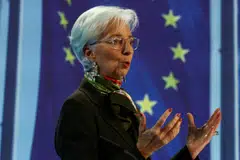
The move is part of the EU’s effort to give itself more tools to secure its economic interests in an increasingly hostile trade environment.
In an effort to reduce risks and dependencies, the commission is also exploring closer cooperation in the field of export controls and the screening of outbound investments. These ideas would come on top of other measures taken in recent years to ensure a level playing field in the procurement market and to oversee foreign investment in the bloc.
The anti-coercion instrument stipulates that the response measures must be commensurate to the level of the injury. As part of the compromise, parliament obtained an extension to the scope of the draft legislation to include measures to repair the injury when appropriate.
The new rules are expected to be in place in the second half of this year. BLOOMBERG
Decoding Asia newsletter: your guide to navigating Asia in a new global order. Sign up here to get Decoding Asia newsletter. Delivered to your inbox. Free.
Share with us your feedback on BT's products and services
TRENDING NOW

Johor property old hand KSL readies family handover amid market boom

Seatrium eyes S$28 billion in project opportunities amid global race for energy security
China targets offshore billions in biggest crackdown in decades

Trek 2000 shares jump 41.5% after Osim founder Ron Sim drops claims, sells 7.3% stake to Azure Capital

