

EU does not expect immediate energy security impact from Iran conflict
Its oil coordination group will meet within 48 hours to assess the situation, a European Commission spokesperson says
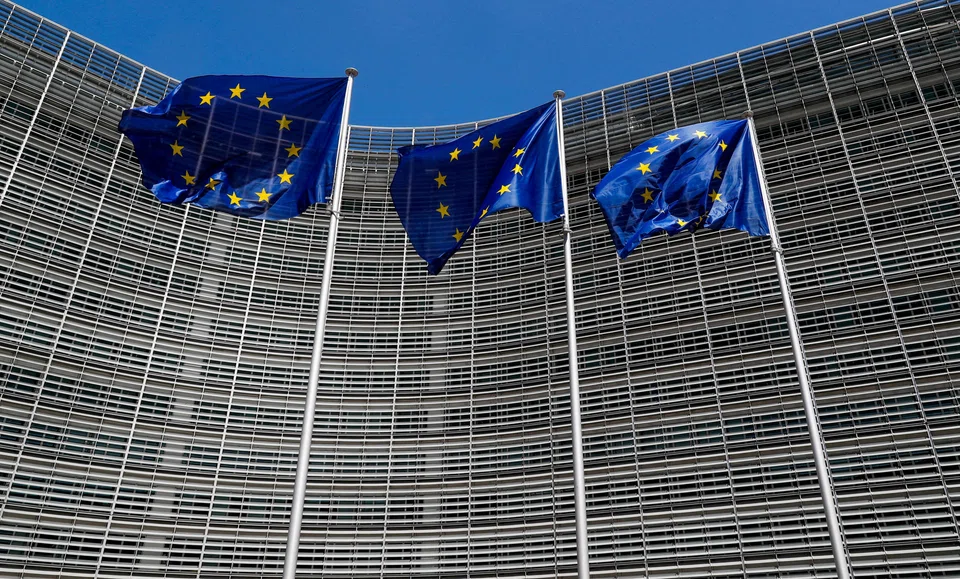
[BRUSSELS] The European Commission does not expect the widening conflict in the Middle East to have any immediate impact on the European Union’s security of oil and gas supplies, a spokesperson said on Monday (Mar 2).
Oil prices rose by 9 per cent on Monday, and benchmark Dutch wholesale gas prices rose by more than 25 per cent, after shipping in the Strait of Hormuz was disrupted by retaliatory Iranian attacks.
The attacks followed initial bombing by Israel and the US that killed Iranian Supreme Leader Ali Khamenei.
Most tanker owners, oil majors and trading houses have suspended energy shipments via the supply route, trade sources said.
The Strait is a conduit for more than 20 per cent of global oil and around 20 per cent of the world’s liquefied natural gas (LNG).
“Our analysis is that no immediate security of supply concern exists for the EU,” a Commission spokesperson said at a news conference.
E-mail was sent to EU governments
The Commission had already communicated its assessment that no immediate impact on the oil security of supply was expected in an e-mail to EU governments, Reuters reported earlier on Monday.
In that e-mail, Brussels also asked governments to share their assessments of the security of supplies by the end of the day.
The EU’s oil coordination group will meet within 48 hours to assess the situation, the spokesperson said. The group facilitates coordination between EU governments in case of oil supply disruptions.
Europe is emerging from its winter heating season, when gas demand typically peaks. At 30 per cent full, EU gas storage sites are 9 per cent below filling levels this time in 2025, data from Gas Infrastructure Europe shows.
The Commission spokesperson said this was an adequate level to ensure storage can be replenished ahead of next winter.
“We’re not taking any emergency measures or anything like this. There is no shortage, there is no emergency for gas. Gas imports are well diversified,” the spokesperson said, when asked about gas supplies.
Europe has increased imports of LNG, as it seeks to phase out Russian gas following the country’s full-scale invasion of Ukraine that began in February 2022.
The US, which has become the EU’s biggest LNG supplier, provided 58 per cent of its LNG in 2025. The bloc also sources smaller amounts from countries whose shipments have been affected by the Iran conflict.
The EU imported 6 per cent of its LNG from Qatar in the third quarter of 2025, its latest data shows. REUTERS
Decoding Asia newsletter: your guide to navigating Asia in a new global order. Sign up here to get Decoding Asia newsletter. Delivered to your inbox. Free.
Share with us your feedback on BT's products and services
TRENDING NOW

Once staunchly pro-China, Malaysian Chinese businesses are now distancing themselves from Beijing

Looking beyond looming CEO succession, should UOB potentially pursue a transformative merger?

Could stablecoins be the future of money?

Grab CEO’s wife Chloe Tong on life with Anthony Tan and finding her purpose

