
EU forecasts German economy in recession in 2023
 Add BT as a preferred source
THE European Commission cut its outlook for the euro area economy, predicting it will be dragged down this year by a contraction in Germany.
Output in the 20-nation currency bloc will rise by 0.8 per cent in 2023, compared with an earlier forecast for 1.1 per cent growth, indicated updated projections published on Monday (Sep 11) by the European Union’s executive arm. Next year was lowered by the same amount, to 1.3 per cent.
The region’s biggest economy is largely to blame. Germany, which had been expected to grow in 2023 is now facing a slump of 0.4 per cent. The Netherlands has an even heftier downward revision, to 0.5 per cent from 1.8 per cent. Spain and France, at the other end of the spectrum, are set to aid expansion.
Inflation will stay elevated and will not retreat to the European Central Bank’s (ECB) 2 per cent goal. It is seen at 5.6 per cent this year, a little lower than previously envisaged, but a touch higher in 2024, at 2.9 per cent.
The fresh numbers may stoke fears that the eurozone is becoming mired in a prolonged period of subdued growth and above-target inflation.
They may also offer a likely flavour of the ECB’s own quarterly outlook, which is due on Thursday and will help officials determine whether to extend or pause their historic bout of interest rate hikes.
Navigate Asia in
a new global order
Get the insights delivered to your inbox.
“Weakness in domestic demand, in particular consumption, shows that high, and still increasing consumer prices for most goods and services, are taking a heavy toll,” the commission said. “The weaker growth momentum in the EU is expected to extend to 2024, and the impact of tight monetary policy is set to continue restraining economic activity.”
Despite dodging a recession in the wake of Russia’s attack on Ukraine, the euro region is struggling under the weight of higher energy prices, a surge in borrowing costs and waning demand in export markets such as China.
Data released last week revealed output in the bloc barely grew in the three months till June, revised lower due to poor foreign sales. Surveys of purchasing managers pointed to a tough third quarter as Europe’s services sector followed manufacturing into a contraction.
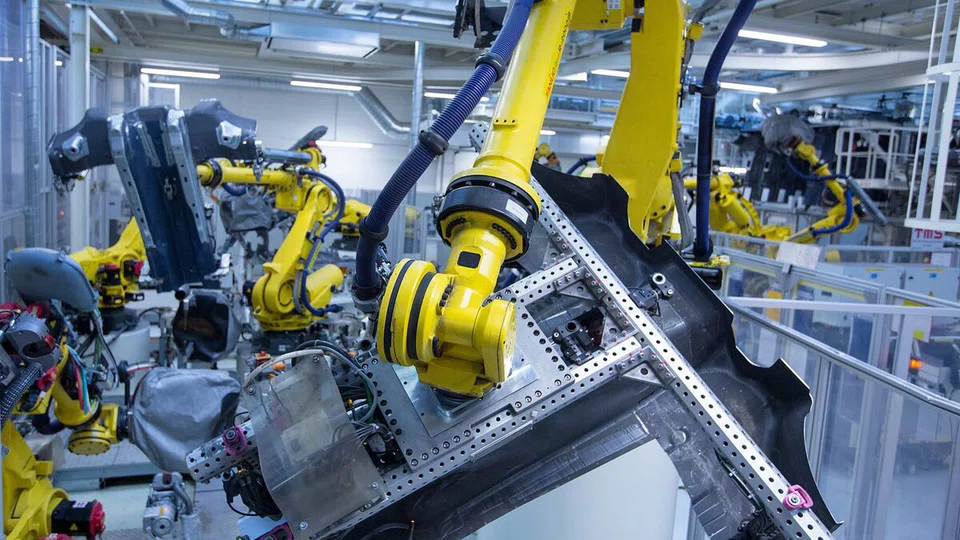
Nowhere are such problems on starker display than in Germany, which has been weighed down primarily by a manufacturing slump. After enduring a winter downturn, its economy failed to expand in the second quarter and could shrink by 0.3 per cent in the third, indicated a forecast last week from the Kiel Institute.
The souring backdrop has been on the minds of several ECB officials who said it is time to halt the forceful tightening campaign that they embarked on just over a year ago. Others, though, have signalled they would be comfortable with a mild recession if that is needed to get inflation back to 2 per cent.
Investors are “maybe” underestimating the likelihood of a 10th straight rate hike, Governing Council member Klaas Knot told Bloomberg last week.
“Monetary tightening may weigh on economic activity more heavily than expected,” the commission said. But it “could also lead to a faster decline in inflation that would accelerate the restoration of real incomes”.
A Bloomberg survey of analysts published earlier on Monday revealed a more pessimistic view to the commission’s. The eurozone economy is seen growing by 0.6 per cent in 2023 and 0.8 per cent next year. BLOOMBERG
Decoding Asia newsletter: your guide to navigating Asia in a new global order. Sign up here to get Decoding Asia newsletter. Delivered to your inbox. Free.
Share with us your feedback on BT's products and services

