EU joint gas purchases demand more than matched by supply offers
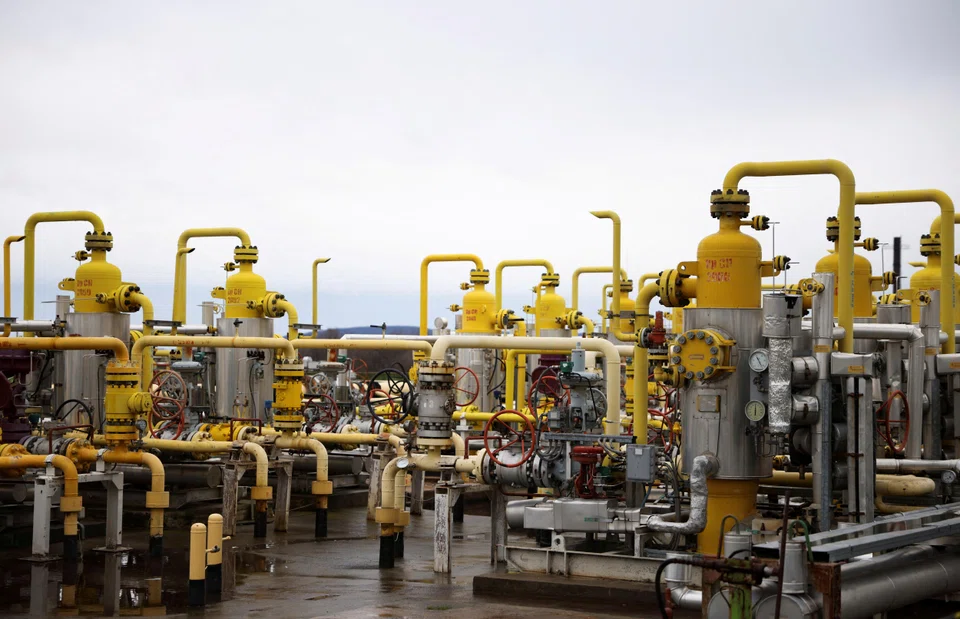
GAS suppliers have made offers to supply more than 13.4 billion cubic metres (bcm) of gas in the European Union’s joint gas buying scheme, European Commission Vice-President Maros Sefcovic said on Tuesday (May 16).
The volume offered would more than cover the 11.6 bcm of gas that EU companies have requested in the bloc’s first round of joint gas buying.
The EU conceived the joint gas buying scheme to help fill gas storage ahead of winter and avoid a repeat of the record-high energy prices and fears of energy shortages in Europe last year, after Russia slashed gas deliveries.
Sefcovic said 25 suppliers had made offers, and the “most attractive” ones had already been matched with customers – resulting in 10.9 bcm of matched volumes.
Countries, including Bulgaria and Ukraine – which are not an EU members but were invited to join the gas scheme – have had their demand fully matched, he said.
Matched buyers and sellers will now start negotiations to agree gas contracts. The EU is not involved in those commercial talks.
EU energy prices have dropped from the record-high levels seen last year, and Europe’s gas storage is unusually full after a warm winter, soaring energy bills and emergency policies curbed energy demand.
Sefcovic said the response to the joint gas buying scheme had exceeded expectations, but warned that the bloc must do more to reinforce its energy security as it phases out Russian fuels.
“We still have war raging on in Ukraine. We still have to remember the hard lessons learnt in the last year. We have to work to make sure that our energy security will be much stronger,” he said.
The EU scheme has so far focused largely on pipeline gas, which represents 80 per cent of the matched volumes. The remaining 20 per cent is for liquefied natural gas. REUTERS
Decoding Asia newsletter: your guide to navigating Asia in a new global order. Sign up here to get Decoding Asia newsletter. Delivered to your inbox. Free.
Share with us your feedback on BT's products and services