

EU power use rises for first time since virus lockdown
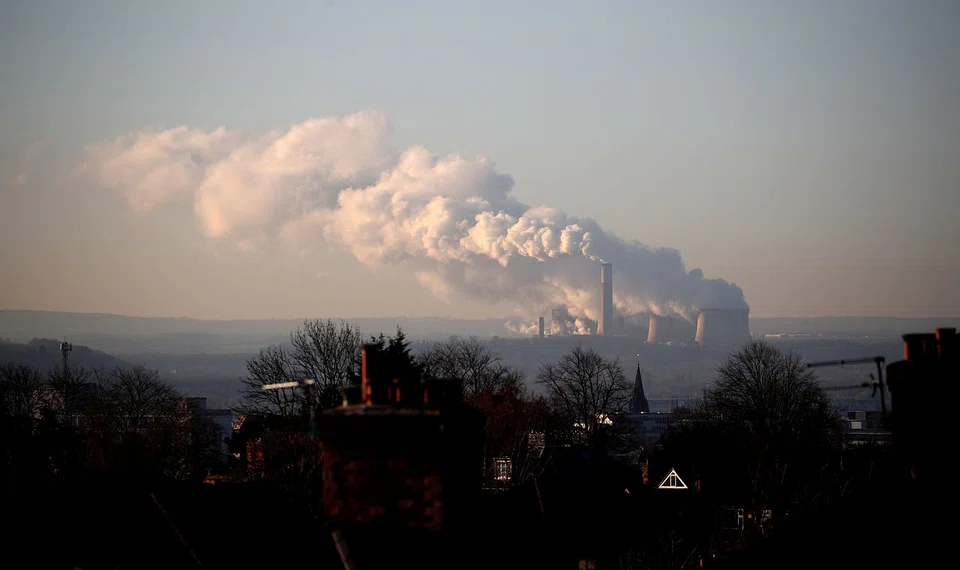
[BRUSSELS] Electricity use in the European Union rose for the first time in eight weeks, indicating economic activity may be starting to increase as coronavirus infections and deaths decline.
Factory doors are reopening after nations from Denmark to Germany began easing restrictions on public life. Volkswagen has begun rebooting plants, while Airbus is up and running as Europe starts returning to work after shutdowns plunged the region into its worst economic slump in living memory.
The restart is crucial to pull the region's economy out of a tailspin that's forced governments to pledge hundreds of billions of euros to keep companies afloat in the global health crisis. The Federal Reserve, the Bank of Japan and European Central Bank all announce policy decisions this week in the battle against the pandemic as some countries proceed with steps to relax lockdown measures.
"The worst is over in terms of hits to demand," said Elchin Mammadov, an analyst at Bloomberg Intelligence. "Most utilities have written 2020 off. The recession is a bigger problem than weekly fluctuations in demand. We could see another drop later in the year."
The EU's total power load rose 0.2 per cent week-on-week to 49.97 terawatt hours in the seven days through Saturday, according to data from power grids compiled by Finnish power-technology company Wartsila Oyj.
The number of infections and fatalities in Germany rose by the slowest pace in a month, as Europe's biggest economy reopened some schools. Italy will ease its lockdown in just over a week, while UK Prime Minister Boris Johnson returned to work on Monday after recovering from contracting the virus.
But electricity demand was still 7.5 per cent below the same week last year, the Wartsila data show. The previous week it was 13.5 per cent lower from 2019.
And economic activity in Europe remains in a slump, according to surveys of activity and confidence published in recent days. As governments ease back on restrictions, a return to business-as-usual remains some way off, with officials taking cautious steps, wary of a second outbreak of the virus.
The stabilisation of demand is "a sign that we've reached some sort of bottom in the real economy," said Matti Rautkivi, director of strategy and business development at Wartsila Energy Group. "There will be a rebound, but how fast is the question. This may be the new normal."
German power prices for 2021 have slumped 17 per cent this year, while benchmark Dutch natural gas futures are down by more than half as the pandemic crushed demand.
Energy prices could take years to recover, according to Aurora Energy Research Ltd. The consultant estimates it may take four years for power prices and as long as eight years for natural gas in a scenario where lockdowns last into the fourth quarter.
BLOOMBERG
Decoding Asia newsletter: your guide to navigating Asia in a new global order. Sign up here to get Decoding Asia newsletter. Delivered to your inbox. Free.
Share with us your feedback on BT's products and services
TRENDING NOW

He built the Vingroup empire. Now South-east Asia’s richest man is handing some key roles to his sons
Despite the de-dollarisation debate, demand for dollar liquidity in Asia is growing
Can a first-time homebuyer couple earning S$18,000 a month afford a new EC unit?

Asia needs new energy security architecture

