EU removes Panama, seven others from tax-haven blacklist, promoting criticism
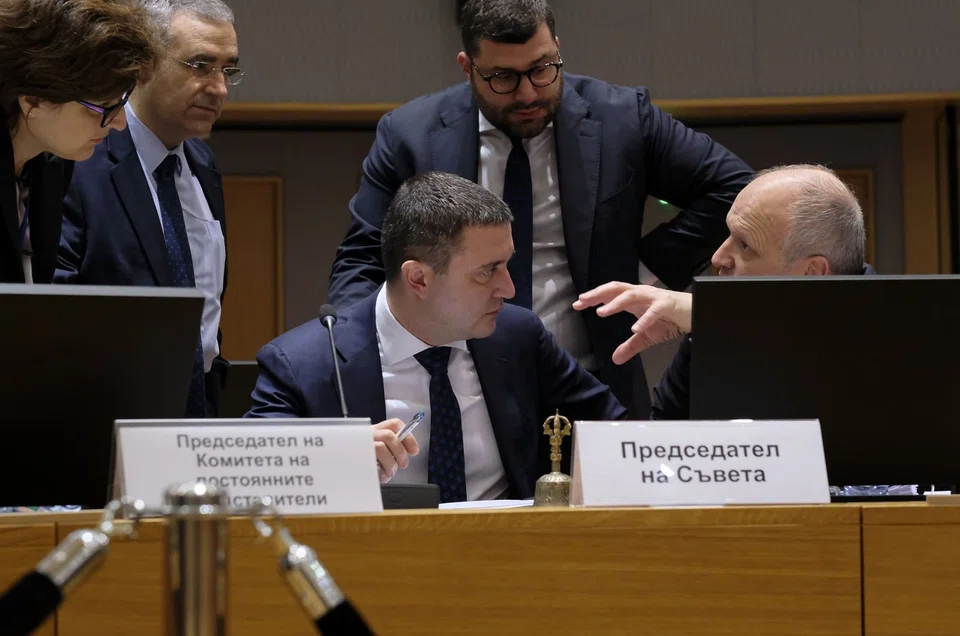
[BRUSSELS] European Union finance ministers agreed on Tuesday that eight jurisdictions, including much-criticised Panama, should be removed from the bloc's blacklist of tax havens, one month after the list was set up.
The move prompted an outcry from lawmakers and activists.
Barbados, Grenada, the Republic of Korea, Macao, Mongolia, Tunisia and the United Arab Emirates joined Panama as jurisdictions delisted "following commitments made at a high political level to remedy EU concerns," according to a statement from the ministers.
The move is in line with recommendations by EU tax experts in the Code of Conduct Group.
The blacklist was only drawn up in December in a bid to discourage the most aggressive tax-dodging practices after several disclosures of off-shore schemes.
Ministers said the delisting was a sign that the process was working as countries around the world were agreeing to adopt EU standards on tax transparency.
"Jurisdictions around the world have worked hard to make commitments to reform their tax policies. Our aim is to promote good tax governance globally," said Vladislav Goranov, finance minister of Bulgaria, the country holding the rotating EU presidency.
But the move attracted strong criticism. The delisting of Panama, which was at the centre of one of the largest disclosures, the so-called Panama papers, caused particular concern.
"Today's decision is a confession of failure. Crossing Panama, one of the world's most prolific tax havens off the blacklist, is a disastrous sign in the fight against tax avoidance," said Markus Ferber, an EU centre-right lawmaker and vice-chair of the European Parliament's economic committee.
He said ministers should have instead expanded the list, including EU countries and jurisdictions, such as Malta and Britain's overseas territories.
The detailed commitments made by the eight jurisdictions who were removed from the list have not been made public, despite calls to do so by EU tax commissioner Pierre Moscovici.
"The EU is rushing to take countries off the blacklist without it being clear what they have actually committed to improve; this is further undermining the process," said Aurore Chardonnet, of the anti-poverty group Oxfam.
She urged the EU to make public the commitments, echoing calls from lawmakers from several political groupings in the European Parliament.
Nine jurisdictions remain on the blacklist. They are American Samoa, Bahrain, Guam, the Marshall Islands, Namibia, Palau, Saint Lucia, Samoa, and Trinidad and Tobago.
The eight delisted jurisdictions have been moved to a so-called grey list, which includes other 47 jurisdictions that have committed to changing their tax rules to abide by EU standards on transparency and cooperation.
Countries on the grey list can be moved back to the blacklist if they fail to respect their engagements.
REUTERS
Share with us your feedback on BT's products and services