EU, Vietnam to boost work on minerals, chips and ‘trusted’ 5G, draft document says
The EU will also explore the possible transfer of defence technology to Hanoi, it adds
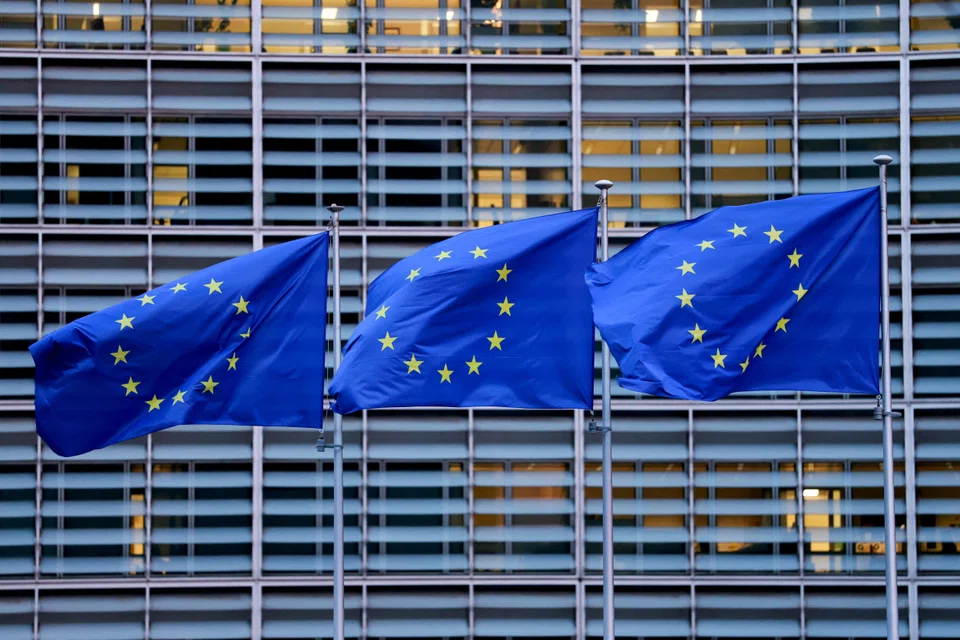
[HANOI] The European Union and Vietnam want to boost trade and investment in critical minerals, semiconductors and infrastructure, a draft joint statement revealed.
Seen by Reuters, it is set to be adopted on Thursday (Jan 29) as the two sides upgrade diplomatic relations.
The eight-page document, still subject to change, said the EU will also explore the possible transfer of defence technology to Hanoi, as both sides seek closer cooperation on “trusted” telecommunication networks – at a time when Chinese companies have won contracts in Vietnam’s 5G development.
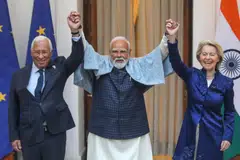
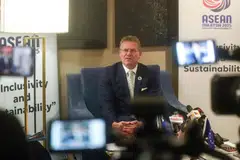
The statement is scheduled to be signed when the European Council President, Antonio Costa, meets Vietnam’s leaders in Hanoi on Thursday, days after the ruling Communist Party reappointed To Lam as the country’s top leader.
The two countries will upgrade diplomatic ties to Vietnam’s highest level, similar to US, China and Russia. An EU-Vietnam free trade agreement entered into force in 2020.
While not binding, the document carries political weight and includes indirect criticism of the international strategies of US, China and Russia.
The European Council declined to comment on the draft document, and Vietnam’s government did not respond to a request for comment.
Critical minerals, semiconductors
Vietnam has significant – but largely untapped – deposits of rare earths and gallium.
Hanoi has signalled interest in developing the processing capacity for rare earths, the global supply and refining for which is dominated by China.
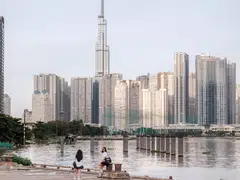
But progress has been limited, in part because Vietnam lacks the technology to fully exploit its resources.
The EU and Vietnam want to promote “trade and investment in goods, services and technologies that support sustainable mining and processing” for critical minerals, as they eye closer cooperation in the sector, the document said.
Vietnam is also a key supplier of tungsten, a hard metal used in defence and electronics, and Western diplomats have warned of the risk of Chinese interest in a major mine in Vietnam.
China’s foreign ministry did not respond to a request for comment.
The draft statement identifies semiconductors as another priority area for deeper cooperation, including supply chains.
Vietnam is a major player in the packaging, testing and assembling of chips, hosting operations by Intel and Amkor Technology, among others.
Earlier in January, the country began building its first semiconductor production facility.
Suppliers of ASML, the Dutch global leader in chipmaking machines, have moved some production to Vietnam, and the company is exploring expanding its supply chain and supplying potential customers there, the Vietnamese government said earlier in January after a high-level meeting in Hanoi.
ASML was not immediately available for comment.
5G, defence and infrastructure
Expanding cooperation on “trusted communications infrastructure” is also a priority, said the document, citing 5G and satellite connectivity.
European firms Ericsson and Nokia are developing Vietnam’s 5G network. In 2025, however, Hanoi awarded smaller construction contracts to Chinese companies, including Huawei, despite Western concerns about security.
Both sides intend to boost security cooperation, while the EU will consider the transfer of “non-sensitive technology and know-how”, the document said.
EU nations are also interested in investing in Vietnamese infrastructure, including railways, the document shared, as Vietnam wants to build a nationwide high-speed network, its largest project.
US, China and Russia
Costa warned of “coercive trade practices” and “challenges to sovereignty and international law”, in an opinion piece published by Vietnam’s state news agency on Wednesday.
The draft statement reaffirmed support for a “rules-based international order” and for strengthening the World Trade Organization, at a time when the US imposes tariffs and undermines multilateral bodies.
It urged respect for “territorial integrity” and called for a “just and sustainable peace in Ukraine”, which is under attack from Russia, a long-time close partner of Vietnam.
It also said the two countries agreed to consider deeper maritime security cooperation and called for stability in the South China Sea, where China’s territorial claims conflict with Vietnam’s. REUTERS
Decoding Asia newsletter: your guide to navigating Asia in a new global order. Sign up here to get Decoding Asia newsletter. Delivered to your inbox. Free.
Share with us your feedback on BT's products and services