Eurozone business activity expands more slowly than expected in January: survey
Sentiment for the bloc is improving after US President Trump’s decision to back down on additional tariffs
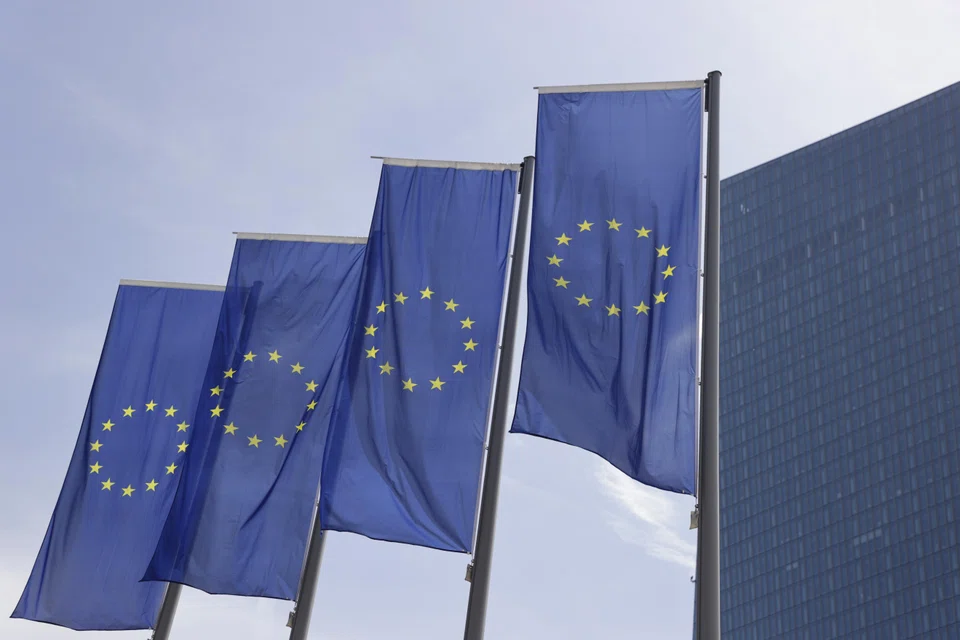
[BENGALURU] Eurozone business activity expanded more slowly than expected in January as weaker growth in the dominant services industry offset milder factory contraction while price pressures increased, a survey revealed.
The common currency bloc started the year on a weaker note, but sentiment has improved since Wednesday (Jan 21) – after US President Donald Trump backed down on additional tariffs he had threatened to impose on eight European countries as leverage to seize Greenland.
The Hamburg Commercial Bank (HCOB) Flash Eurozone Composite purchasing managers index (PMI) compiled by S&P Global held at 51.5 in January, but fell short of a Reuters poll forecast for 51.8.
It remained above the 50 level that separates growth from contraction for a 13th straight month.
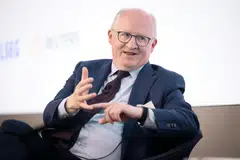
Cyrus de la Rubia, chief economist at Hamburg Commercial Bank, said: “The recovery still looks rather feeble... overall, economic growth remains unchanged. Looking ahead, the low growth in new orders is certainly no game changer. Instead, the start into the new year points to more of the same in the months to come.”
New orders rose at the weakest rate since September and new export business contracted at the quickest pace in four months, suggesting demand remained weak across the board.
Firms shed jobs for the first time since September.
The services PMI slowed to a four-month low of 51.9 from 52.4 in December, lower than the Reuters poll prediction of 52.6.
Manufacturing activity contracted again, but at a slower pace. The sector’s headline PMI rose to 49.4 in January from 48.8 in December, above the Reuters poll prediction of 49.1.

An index measuring output feeding into the composite PMI barely returned to expansion territory, but new orders contracted for a third straight month.
Overall price pressures intensified, with input costs rising at the fastest rate since February and output charges increasing at the quickest pace in nearly two years.
“European Central Bank members are likely to feel validated in holding rates where they are. Some of the more hawkish members may even argue that the next move should be up rather than down,” de la Rubia added.
Still, optimism about future activity rose to its highest since May 2024. REUTERS
Decoding Asia newsletter: your guide to navigating Asia in a new global order. Sign up here to get Decoding Asia newsletter. Delivered to your inbox. Free.
Share with us your feedback on BT's products and services