

Eurozone business activity unexpectedly jumps to 5-month-high
It rose to 51.9, above the 50 threshold separating growth from contraction
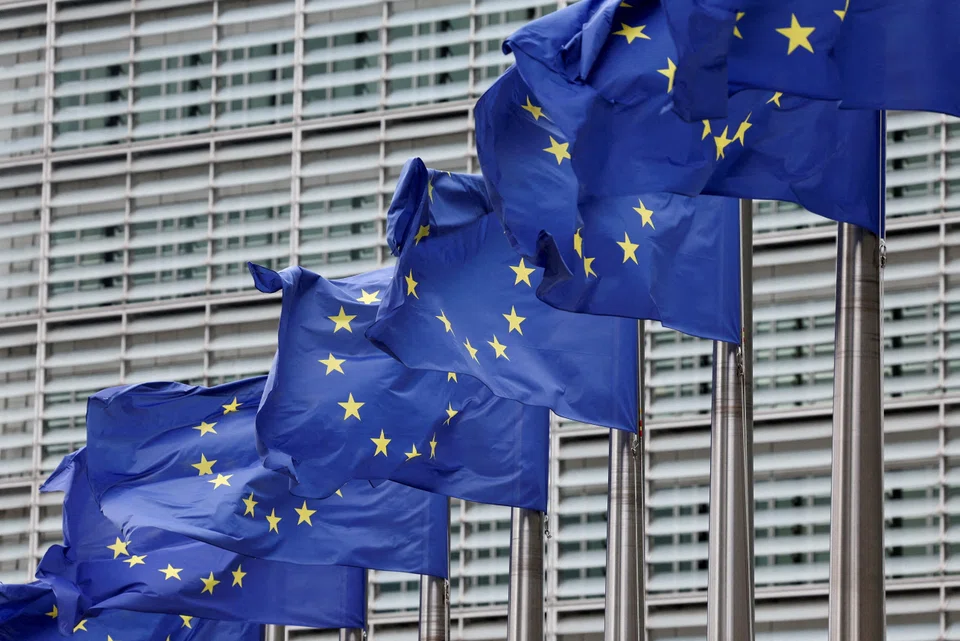
[BRUSSELS] Euro area private sector activity improved much more than expected in July, returning to pre-Iran-war levels, though the most recent escalation of the conflict threatens to weigh on sentiment once again.
The Composite Purchasing Managers’ Index compiled by S&P Global rose to 51.9, above the 50 threshold separating growth from contraction for the first time since March. That’s more than anticipated by all but one economist in a Bloomberg survey that had a median estimate for a slight uptick to 50.2.
The region’s two largest economies both exceeded expectations, according to the survey conducted July 9-22. Germany’s reading unexpectedly jumped well above 50, snapping three months of contraction, and France’s downturn softened to the weakest since February.
“July is seeing a welcome revival of economic activity in the eurozone,” said Chris Williamson, chief business economist at S&P Global Market Intelligence. “But a volatile geopolitical environment means it remains to be seen if the good news can last.”
With oil prices on the rise again and shipping worries escalating, “there’s a danger that the economy could relapse if inflationary pressures intensify again and supply disruptions, notably for energy, derail this nascent upturn,” he cautioned in a statement on Friday (Jul 24).
The 21-nation bloc’s economy is showing remarkable resilience to events in the Middle East, which have stoked consumer-price growth and weighed on confidence. However, concerns over a more pronounced downturn remain, in particular after peace talks between Washington and Teheran stalled and military attacks escalated again in the last two weeks.
The renewed surge in oil and gas prices also risks amplifying inflationary risks. On Thursday, the European Central Bank left borrowing costs unchanged but officials are ready to raise them in September, according to people familiar with the situation. Last month, it became the first Group-of-Seven central bank to hike in the wake of the Iran war.
Still, Friday’s survey revealed some good news on inflation, with cost pressures cooling sharply to the lowest since the outbreak of the war, thereby helping moderate the rate of inflation for selling prices across goods and services.
“This will take pressure off the ECB in terms of any imminent need for further rate hikes,” Williamson said.

PMIs are closely watched by markets as they arrive early in the month and are good at revealing trends and turning points in an economy. A measure of breadth of changes in output rather than depth, business surveys can sometimes be difficult to map directly to quarterly GDP. BLOOMBERG
Decoding Asia newsletter: your guide to navigating Asia in a new global order. Sign up here to get Decoding Asia newsletter. Delivered to your inbox. Free.
Share with us your feedback on BT's products and services
TRENDING NOW

Once staunchly pro-China, Malaysian Chinese businesses are now distancing themselves from Beijing
Stocks to watch: HPL, Aims Apac Reit, Zico, Advanced Systems Automation, ComfortDelGro
‘How many will survive?’: Bubble fears arise as China’s humanoid robotics face reality check
Smaller board lots can’t fix a market run by three banks

