
Eurozone economic downturn steepens in July
 Add BT as a preferred source
EUROZONE economic activity shrank at its fastest rate in eight months in July, as a contraction gathered pace on the back of cuts in manufacturing, a key survey said on Monday (Jul 24).
Data from the HCOB Flash Eurozone purchasing managers’ index (PMI) survey published by S&P Global fell to 48.9 in July from 49.9 in June. A figure above 50 indicates growth.
“Manufacturing continues to be the Achilles heel of the eurozone. Producers have cut their output again at an accelerated pace in July,” said Cyrus de la Rubia, chief economist at Hamburg Commercial Bank.
“The eurozone economy will likely move further into contraction territory in the months ahead, as the services sector keeps losing steam.”
The eurozone’s struggles were fuelled by steep downturns, signalled by surveys from economic powerhouses France and Germany.
Germany fell into contraction as output dropped for the first time since January on the back of a sharp decrease in factory output, the latest figured showed.
Navigate Asia in
a new global order
Get the insights delivered to your inbox.
The painful PMI data comes as the European Central Bank (ECB) is eyeing a further rate hike this week in its quest to tame inflation.
Eurozone inflation eased to 5.5 per cent in June as energy costs slid, but those of food and drinks remained elevated as underlying price pressures persist.
Since consumer prices remain above the ECB’s 2 per cent target, another interest-rate hike appears a near certainty when ECB policymakers meet on Thursday.
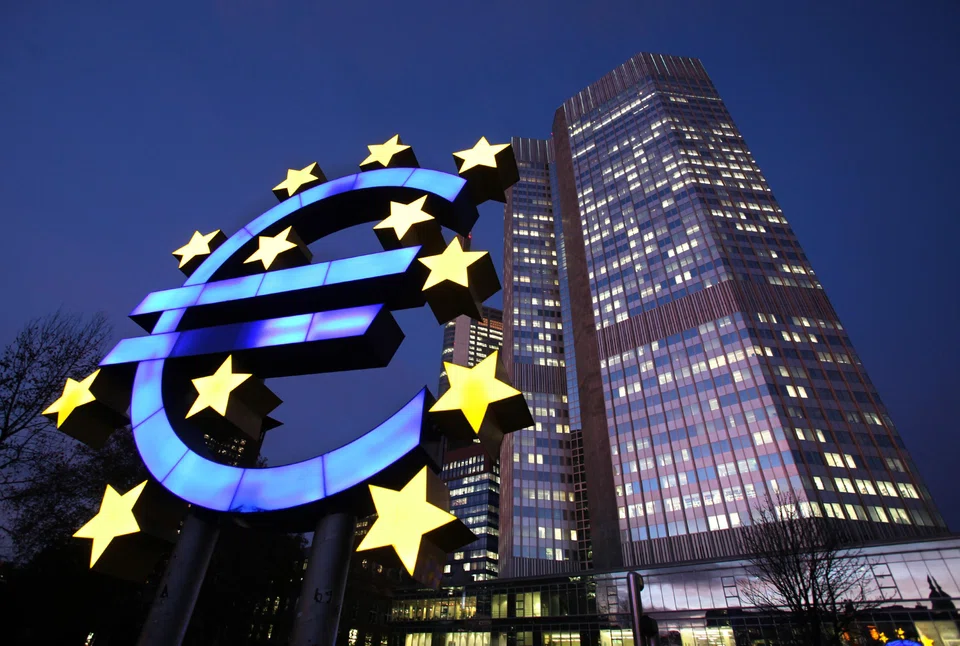
But the central bank faces increasing discontent among countries scared that high interest rates will hurt growth.
The eurozone entered a technical recession at the start of the year, and growth is forecast to be weak this year at around 1 per cent.
“The latest PMI reading is not going to please ECB officials as prices in the private sector are still creeping up, led solely by the substantial services sector,” de la Rubia said.
“Thus, ECB president Christine Lagarde will certainly stick to her guns and hike interest rates by 25 basis points at the next monetary meeting.”
The Frankfurt-based institution has lifted borrowing costs at the fastest rate on record to combat red-hot inflation, after Russia’s war in Ukraine sent food and energy prices soaring.
Key rates have risen by four percentage points since July last year, with the ECB’s deposit rate now sitting at 3.5 per cent – its highest level since 2001. AFP
Decoding Asia newsletter: your guide to navigating Asia in a new global order. Sign up here to get Decoding Asia newsletter. Delivered to your inbox. Free.
Share with us your feedback on BT's products and services

