

Eurozone economic momentum wanes further in January, PMI shows
It is down at 51.3 from 51.5 in December, touching a four-month low
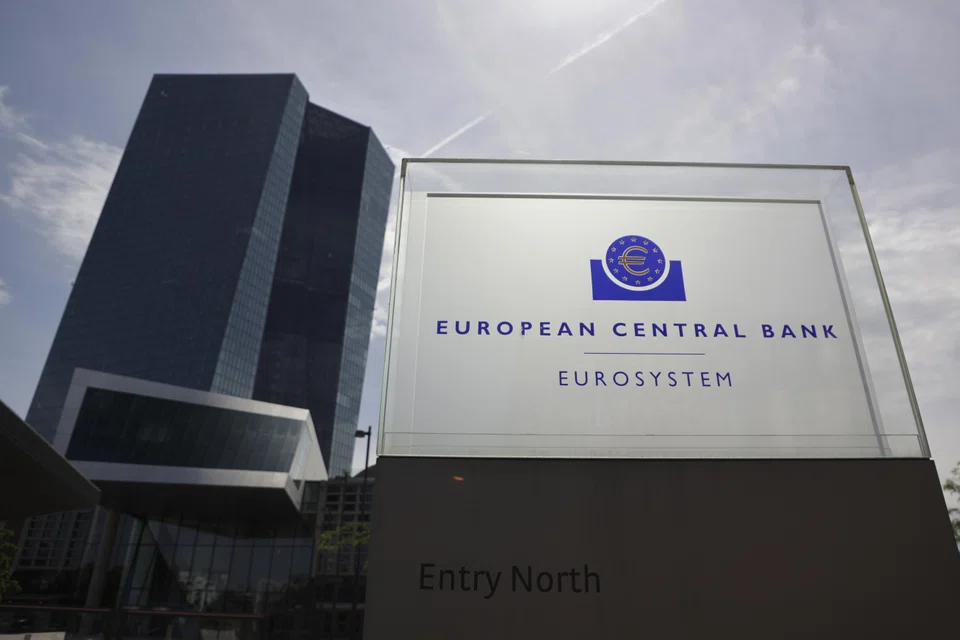
[BENGALURU] The eurozone economy’s growth slowed for a second consecutive month in January as demand nearly stagnated and hiring came to a halt, indicating a fragile start to 2026, a survey showed.
The HCOB Eurozone Composite Purchasing Managers’ Index (PMI), compiled by S&P Global, fell to 51.3 in January from 51.5 in December, touching a four-month low.
It was also lower than a preliminary estimate of 51.5.
PMI readings above 50 indicate growth in activity, while those below that level point to a contraction.
“The growth trajectory can be described as decent, but the situation is still not comfortable. Companies hardly hired any new staff in January,” said Cyrus de la Rubia, chief economist at Hamburg Commercial Bank.
“The fact that new business barely grew also shows that the recovery in this sector is still fragile,” he added.
The moderation in overall growth stemmed from the services sector, where activity expanded at its weakest pace since September, offsetting a fresh expansion in manufacturing output.
The services business activity index eased to 51.6 from December’s 52.4.
New business inflows across the currency bloc barely increased compared with that same month, signalling waning support from domestic markets despite a softer reduction in export demand.


Employment virtually stagnated, as factory job cuts cancelled out mild hiring in services.
Among the bloc’s largest economies, Spain led growth despite recording its slowest expansion in seven months. Germany and Italy experienced modest improvements, while France slipped into contraction territory for the first time since October.
Despite the slowdown, business optimism strengthened to its highest level since May 2024.
Price pressures built up across the eurozone, with input cost inflation accelerating for a third straight month to an 11-month high. In response, firms raised their prices at the strongest pace in nearly a year.
“The European Central Bank (ECB) is not currently particularly concerned about inflation... (but) ECB members will be a bit concerned by the significant rise in cost inflation in the services sector, and the visible increase in sales prices inflation that was signalled by the PMI,” added de la Rubia.
The central bank is widely expected to hold its deposit rate on Feb 5 and throughout this year, a separate Reuters survey showed. REUTERS
Decoding Asia newsletter: your guide to navigating Asia in a new global order. Sign up here to get Decoding Asia newsletter. Delivered to your inbox. Free.
Share with us your feedback on BT's products and services
TRENDING NOW

Looking beyond looming CEO succession, should UOB potentially pursue a transformative merger?
MAS holds monetary policy settings, pausing after two straight tightenings

Once staunchly pro-China, Malaysian Chinese businesses are now distancing themselves from Beijing

Stocks to watch: Kore US Reit, Parkway Life Reit, Raffles Education, Vin’s Holdings

