Eurozone manufacturing activity crimped by supply-chain bottlenecks
This has raised input costs, even as coronavirus-linked disruptions prevail
 Add BT as a preferred source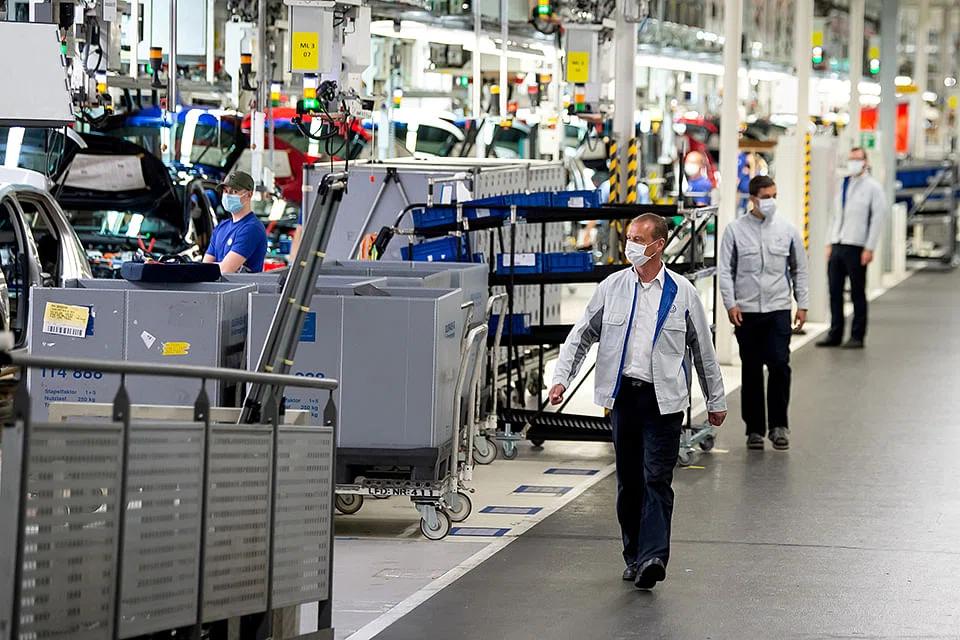
London
EUROZONE manufacturing activity remained strong last month, but was curtailed by supply-chain bottlenecks and logistical problems which sent input costs soaring, a survey has found.
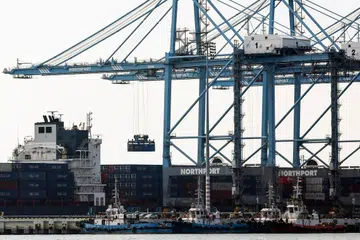
Ongoing disruptions caused by the coronavirus pandemic, alongside a shortage of heavy goods-vehicle drivers, has caused product shortages and left factories struggling to get the raw materials they need.
IHS Markit's final manufacturing Purchasing Managers' Index (PMI) dipped to an eight-month low of 58.3 in October, from from September's 58.6. This was shy of an initial 58.5 "flash" estimate, but still comfortably above the 50-mark separating growth from contraction.
An index measuring output, which feeds into a composite PMI due on Thursday and seen as a good guide to economic health, dropped to 53.3 from September's 55.6, its lowest reading since June last year.
Bert Colijn at ING said: "Overall, the demand side continues to be very strong so that's a positive sign. But input shortages and transportation problems are continuing to hurt the manufacturing sector and those issues appear to be here to stay for the foreseeable future."
Navigate Asia in
a new global order
Get the insights delivered to your inbox.
Supply-chain issues and rising inflation hit French, German and Spanish factories, but Italian manufacturing recorded healthy expansion, growing at its strongest rate since June, earlier surveys showed.
In the United States, manufacturing activity slowed, a survey showed on Monday, with all industries reporting record-long lead times for raw materials, indicating stretched supply chains continued to constrain economic activity in the world's largest economy.
But Asia's factory activity stepped up a gear in October, as Covid-19 infections subsided in the emerging economies, although rising input costs, material shortages and slowing Chinese growth clouded the outlook, Monday (Nov 1) data showed.
Those shortages meant suppliers were able to jack up their charges; input prices index for the eurozone climbed to 89.5 from 86.9, the highest since the survey began in mid-1997.
Although the bloc's economy continued to boom over the summer as activity rebounded after coronavirus lockdowns, inflation is also blowing past expectations, official data showed last week.
European Central Bank (ECB) President Christine Lagarde acknowledged last Thursday that inflation would be high for even longer, but pushed back against market bets that price pressures would trigger an ECB interest rate hike as soon as next year.
Andrew Kenningham at Capital Economics said: "There are huge upward pressures on input prices and costs more generally, and these are likely to lead to high prices for consumers over time." REUTERS
READ MORE: Singapore PMI stays flat at 50.8 in Oct following 2 months of slowdown
Decoding Asia newsletter: your guide to navigating Asia in a new global order. Sign up here to get Decoding Asia newsletter. Delivered to your inbox. Free.
Share with us your feedback on BT's products and services