
Even on US$100k, more Americans are living pay cheque to pay cheque
 Add BT as a preferred source
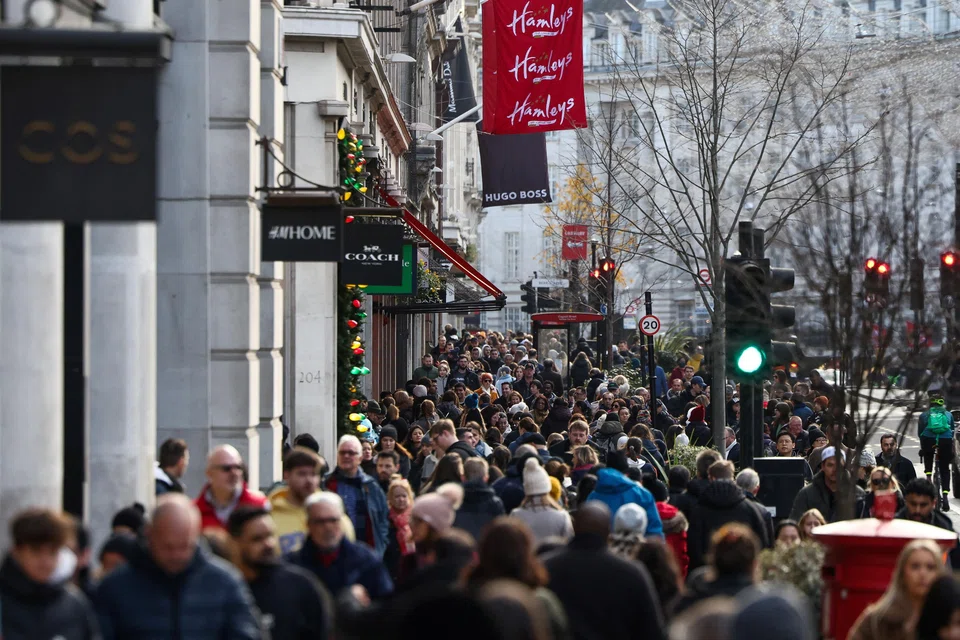
THE share of Americans who say that they live pay cheque to pay cheque climbed last year, and most of the new arrivals in that category were among the country’s higher earners, a new study shows.
Some 64 per cent of US consumers – equivalent to 166 million people – were living pay cheque to pay cheque at the end of 2022, the survey by industry publication Pymnts.com and financial services company LendingClub showed.
That is an increase of three percentage points from a year earlier, or 9.3 million Americans. And out of that group, some eight million were people earning more than US$100,000 a year. More than half of that income cohort said that they lived pay cheque to pay cheque in December, up nine percentage points from a year earlier.
The numbers likely reflect growing strain on household budgets after the cost of living surged, wages often failed to keep up, and pandemic savings got drawn down.
This year may bring further pressure, with less than half the survey respondents saying that they expect their incomes to keep pace with inflation.
“Prospects for consumer spending are cloudy,” said Lydia Boussour, senior economist at EY Parthenon. “Elevated prices, eroded personal savings and increased reliance on credit point to weak consumer spending this winter,” she said. “These dynamics will be exacerbated by negative wealth effects from lower stock prices and declining home values.”
Navigate Asia in
a new global order
Get the insights delivered to your inbox.
Other indicators also point to some level of financial stress. The latest University of Michigan survey showed that while consumer sentiment has climbed from this year’s lows, it remains far below pre-pandemic levels. Fourth-quarter economic growth data published last week highlighted a slowdown in household spending.
Inflation-adjusted disposable incomes remain below their levels at the start of the pandemic in 2020, indicating that consumers have seen no real income gains in three years, said the Bureau of Economic Analysis.
The LendingClub report did not provide a definition for “pay cheque to pay cheque, which typically means that people rely entirely on their monthly incomes to meet basic obligations, and would be in immediate difficulty if income was interrupted.
The label does not necessarily mean that people are having trouble staying current on debt payments, but the survey suggests that a growing number are. It found that 24 per cent of respondents had issues paying their bills in December. Among those earning more than US$100,000 and living pay cheque to pay cheque, the share rose to 16 per cent from 11 per cent a year earlier. BLOOMBERG
Decoding Asia newsletter: your guide to navigating Asia in a new global order. Sign up here to get Decoding Asia newsletter. Delivered to your inbox. Free.
Share with us your feedback on BT's products and services

