Extreme weather may force New Zealand to rethink where it builds
 Add BT as a preferred source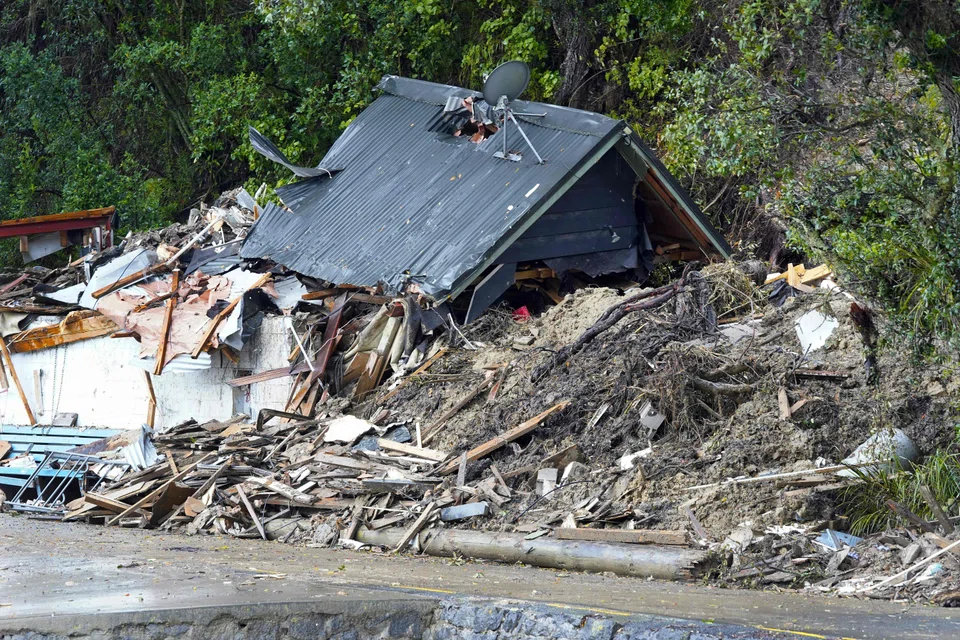
NEW Zealand faces big questions about where people should live and how to build infrastructure, as the devastating aftermath of Cyclone Gabrielle highlights the impact of climate change, Finance Minister Grant Robertson said.
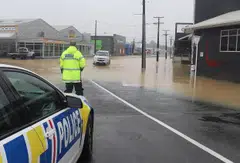
The cyclone swept across the Upper North Island early this week, destroying bridges, blocking roads and leaving tens of thousands without power and communications. The disaster came just two weeks after a storm driven by an atmospheric river dumped heavy rain on the country’s largest city, Auckland, causing widespread flooding and paralysing transport networks.
Both events forced evacuations, as Auckland city drainage systems failed to cope, and rivers burst their banks, flooding entire neighbourhoods and towns. The cyclone was most devastating in the east region of the North Island, where many living in river valleys had to scramble for survival as rising waters destroyed their homes.
“There are some important and challenging conversations that New Zealand needs to have over the coming weeks, months, and years about where we live, what infrastructure we build, how do we mitigate and put in place resilience measures, and who pays when it goes wrong,” Robertson said in a speech on Friday (Feb 17) in Auckland.
“The worst thing we could do in response to the devastation we’ve seen over the last couple of weeks is simply rebuild straight away, without thought to whether or not that is the right thing to do,” he said.
Rising sea levels and the increased frequency of heavy rainstorms have exposed many New Zealand communities, which historically have been located on coasts and alongside rivers. At the same time, urban development has led to more intensive housing in cities.
The government last year published a report on proposals to better adapt to climate change, including outlining the need for managed retreat from areas increasingly at risk.
Robertson said that he visited parts of Auckland that had been badly flooded for the second time in three years.
“Those people can look to developments that have occurred nearby them, and ask questions about what impact that might have had on their area,” he said. “Those decisions about planning, those decisions about where we live, are the ones we now have to make sure that we assess and reassess.” BLOOMBERG
Decoding Asia newsletter: your guide to navigating Asia in a new global order. Sign up here to get Decoding Asia newsletter. Delivered to your inbox. Free.
Share with us your feedback on BT's products and services