Extreme weather upends sunshine patterns in major solar markets
This makes it harder to accurately predict generation from wind turbines and solar panels
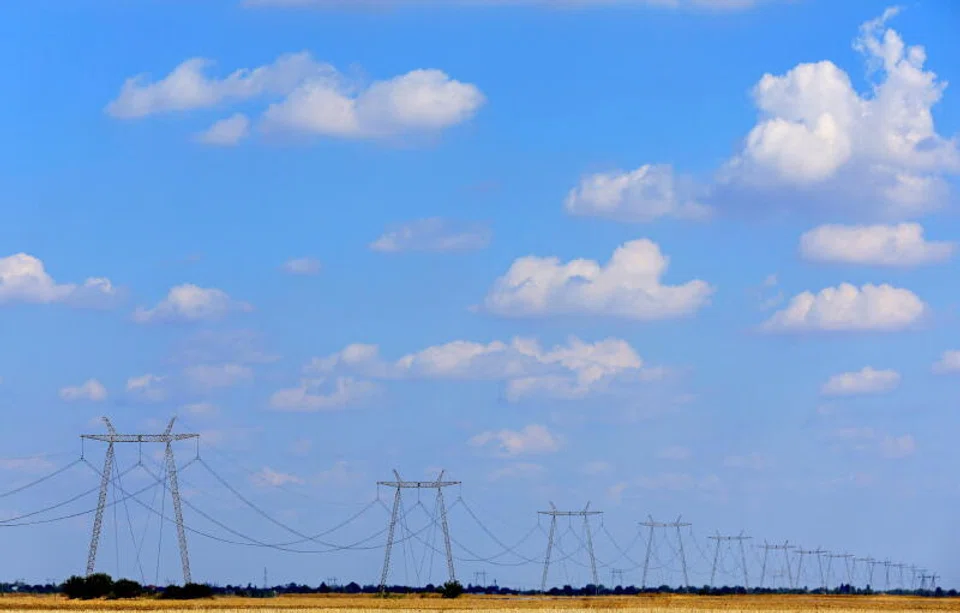
THIS summer’s extreme heat and rainfall caused sunshine levels to diverge sharply from historical norms across some of the world’s largest solar markets, according to a new report.
Parts of Western Europe and South-east Asia were among areas that experienced substantially sunnier-than-normal conditions from June through August in 2026, according to Solargis, a Slovakia-based data and software provider for the solar industry.
Eastern India and parts of the US Midwest were among markets that saw notable deficits.
The analysis underscores how more frequent bouts of extreme weather are making it harder to accurately predict generation from wind turbines and solar panels.
That can cause headaches for investors who based expectations for returns on historical models, as well as grid operators that are increasingly relying on variable generation from renewables.
“Summer 2026 has demonstrated the extent to which solar resource conditions can diverge from historical averages across major markets,” Solargis chief executive officer Marcel Suri said in the report.
'%3e%3cpath%20d='M12.1475%2025.5262C13.7713%2025.4295%2014.94%2023.913%2014.94%2021.8832C14.94%2019.5359%2013.474%2018.093%2011.5917%2018.093C11.3745%2018.093%2010.9582%2018.093%2010.8393%2018.1413V25.2086L11.8891%2025.5745C11.8891%2025.5745%2012.207%2025.5262%2012.1475%2025.5262ZM11.4934%2017.6281C13.2567%2017.6281%2014.3843%2016.4292%2014.3843%2014.4501C14.3843%2012.372%2013.275%2011.2973%2011.4339%2011.2973H10.8393V17.6305H11.4934V17.6281ZM6.66078%2025.6482L7.39265%2025.5492C8.02617%2025.4502%208.26403%2025.3053%208.26403%2025.1097V11.6149C8.26403%2011.4193%208.1451%2011.3709%207.23484%2011.249L6.68137%2011.173L6.6219%2010.7588H11.9508C15.7153%2010.7588%2017.0624%2012.0797%2017.0624%2014.1578C17.0624%2015.9666%2015.7748%2017.1909%2013.4969%2017.6305V17.7041C16.111%2017.948%2017.6571%2019.5382%2017.6571%2021.7636C17.6571%2024.3318%2015.8937%2026.0417%2012.1109%2026.0417H6.60132L6.66078%2025.6482Z'%20fill='%232B2B2B'/%3e%3cpath%20d='M20.6287%2025.6505L21.5596%2025.5515C22.1725%2025.4779%2022.4104%2025.3076%2022.4104%2025.112V11.249H21.9346C20.073%2011.3479%2018.982%2013.0095%2018.408%2014.6227L18.1907%2015.5018H17.6555L18.1701%2010.7588H29.3837L29.6421%2015.4787H29.1664L28.9491%2014.6227C28.3728%2012.8645%2027.3047%2011.2743%2025.5002%2011.249H24.9856V25.1856C24.9856%2025.3812%2025.1251%2025.4548%2025.9965%2025.5515L26.7695%2025.6505L26.829%2026.0417H20.5693L20.6287%2025.6505Z'%20fill='%232B2B2B'/%3e%3c/g%3e%3cdefs%3e%3cclipPath%20id='clip0_5242_21648'%3e%3crect%20width='24'%20height='16.8'%20fill='white'%20transform='translate(6%2010)'/%3e%3c/clipPath%3e%3c/defs%3e%3c/svg%3e)
The wider variations do not undercut the investment thesis for renewables so much as they highlight the need for more granular weather data to hedge risks and keep grids in balance, according to Solargis.
Hedge funds from Jane Street to Millennium Management have been hiring weather experts in recent years.
Solar irradiation can be affected by a variety of conditions, from cloud cover and monsoon rains to smog and wildfires.
SEE ALSO


In Western Europe, which experienced one of its warmest and driest summers on record, places like southern England and western France recorded solar irradiance more than 20 per cent higher than normal, according to the report.
Malaysia, Indonesia and the southern Philippines all saw sunshine at 30 per cent above historic levels.
Southern Brazil, northern Argentina and Uruguay saw irradiation more than 20 per cent below average levels, according to the report.
Northern Europe also experienced deficits of as much as 25 per cent below norms thanks to above-average precipitation.
In India, eastern states heavily impacted by monsoon rains experienced irradiation levels as much as 20 per cent below average, Solargis said. Luckily for the country, western and northern states where most solar developments are located had average or better sunshine. BLOOMBERG
Decoding Asia newsletter: your guide to navigating Asia in a new global order. Sign up here to get Decoding Asia newsletter. Delivered to your inbox. Free.
Share with us your feedback on BT's products and services