‘Fear and uncertainty’: Iran ramps up ship attacks in Hormuz as oil, gas flows climb
Nine attacks in the waterway have already been reported in October
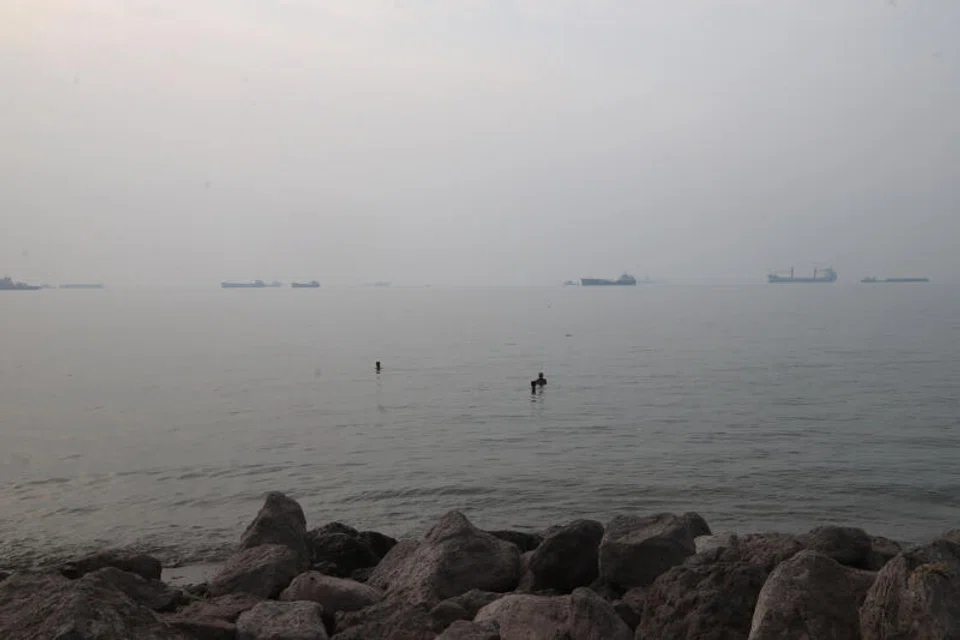
IRAN has increased the pace of attacks on tankers in the Strait of Hormuz in recent days, just as oil shipments through the world’s most important energy chokepoint approach pre-war levels.
UK Maritime Trade Operations have reported nine attacks in the waterway already in October, half the total amount it reported for all of September in the Strait of Hormuz and Persian Gulf combined.
September’s figure was boosted by four assaults in the final two days, underscoring the recent acceleration.
Vessels in Hormuz have been targeted for much of the Iran war, but with varying degrees of intensity.
Previous heavy strikes have led to brief reductions in shipments, though they have often been compensated by higher volumes in subsequent days.
Maritime security officials and shipping executives have said it is not yet clear whether the latest escalation will mean Hormuz shipments fall.
The impact on seaborne gas flows, which also edged up in recent weeks, remains uncertain too.
How much energy flows through Hormuz is vital for the direction of oil and gas prices, particularly ahead of the winter months in the Northern Hemisphere.
Recent price gains have fanned concerns that sustained inflationary pressure could spur higher interest rates across major economies.
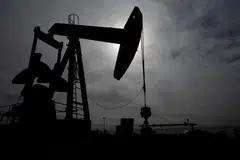
In a bid to loosen the market, a number of consuming nations last week announced plans to release millions of barrels of emergency stockpiles, while US President Donald Trump has been studying ways to tame domestic fuel prices ahead of midterm elections.
Any pullback in Hormuz flows would only add to those risks.
“Fear and uncertainty”
“Iran appears to be seeking to assert greater control over the Strait of Hormuz through one of its most established instruments of coercion: fear and uncertainty,” Dimitris Maniatis, chief executive officer of risk management firm Marisks, wrote in a note.
“Iran does not need to stop every vessel; it needs the maritime industry to believe that any vessel could be next.”
Most of the tankers transiting Hormuz do so using a corridor near the coast of Oman.
They have generally been crossing with their digital signals switched off, leaving traders and analysts poring over satellite images and shipping data to try and work out exactly how much supply is moving.
On Tuesday (Oct 6), Oman’s defence ministry said in a statement that it rescued 10 members from the commercial vessel called On Peace, which caught fire after being attacked. Ship data show that the vessel is an oil tanker.
The flow of oil through the waterway has steadily picked up since the start of summer, and last week some Wall Street banks said shipments were approaching pre-war levels.
Top commodity traders said this week at the Energy Intelligence Forum in London that they see Mideast flows at around 80 per cent of where they were before the conflict began.
That has helped bring Brent crude back below US$100 a barrel.
Shipments of liquefied natural gas have been more limited since the war started, but they also quietly picked up prior to the latest attacks.
The uptick was slower than in oil, reflecting the fact that LNG is transported in a much smaller fleet of highly specialised carriers that keep the fuel cryogenic.
The latest assaults have also led to a fresh surge in freight rates.
The cost of carrying oil from inside the Persian Gulf to China rose to a record US$1.3 million a day on Monday, according to data from the Baltic Exchange in London.
That gauge averaged close to US$60,000 a day in 2025, and has soared as the number of shipowners willing to cross Hormuz dwindled. BLOOMBERG
Decoding Asia newsletter: your guide to navigating Asia in a new global order. Sign up here to get Decoding Asia newsletter. Delivered to your inbox. Free.
Share with us your feedback on BT's products and services