Fed acknowledges slower growth, leaves rates unchanged
Washington
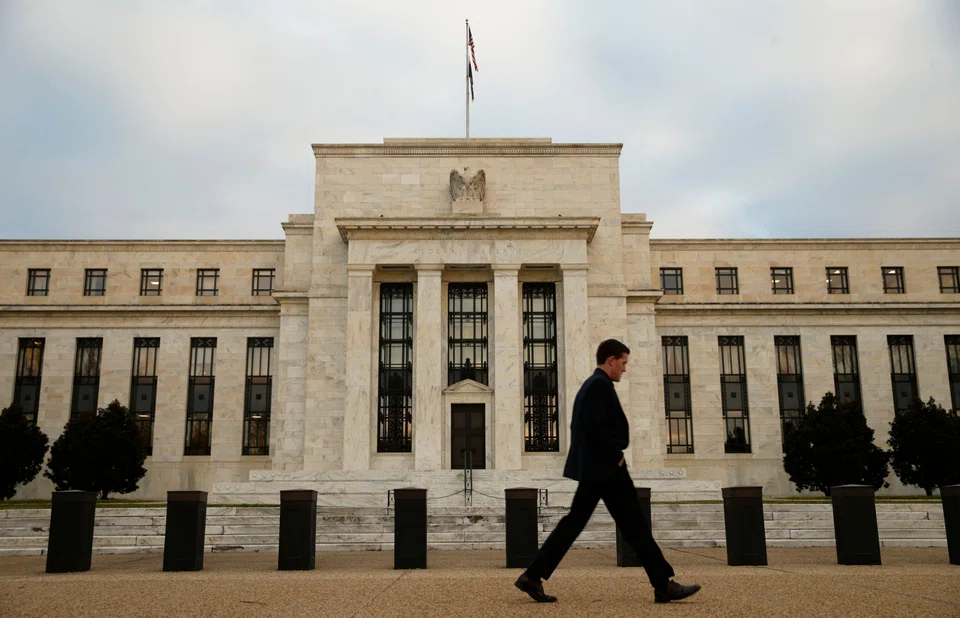
THE Federal Reserve acknowledged on Wednesday that the US economy has slowed but provided little guidance about when it would raise interest rates again.
The central bank began pulling back its support for the recovery in December and signalled that it anticipated increasing its benchmark rate four times this year. But weeks of turmoil on Wall Street have spurred doubts about whether the Fed will forge ahead.
For now, the central bank is standing pat. In a unanimous vote on Wednesday, the Fed left the range for its benchmark interest rate unchanged between 0.25 and 0.5 per cent. Its official statement emphasised the resilience of the job market despite the weakened recovery, and it noted strength in consumer spending and the housing sector.
Yet broader economic growth has been disappointing. The Fed's statement cited weak exports and inventory investment among the culprits. Low oil and commodity prices have pushed down inflation. And the central bank alluded to the volatility in financial markets but carefully avoided making any judgment calls.
The Fed is "closely monitoring global economic and financial developments, and is assessing their implications for the labour market and inflation, and for the balance of risks to the outlook", its statement read.
US stock markets dropped after the announcement, with the blue-chip Dow Jones industrial average giving up 223 points to close down 1.4 per cent at 15,944.46. The Dow and the broader Standard & Poor's 500-stock index fluctuated earlier in the day, opening in negative territory but briefly turning positive before closing in the red.
The Fed has emphasised that it expects future rate increases to be "gradual", and central bank forecasts released last year suggested that meant moving once a quarter. But investor expectations for a second Fed rate hike in March are dropping. Futures markets indicate a one-in-four chance that the central bank will make a move, down from roughly even odds last year. Some analysts questioned whether the Fed will raise rates at all - and even whether they might be forced to reverse course.
"As things currently stand, it seems somewhat doubtful that they will be able to squeeze in four rate hikes this year, as they had previously predicted," said Curt Long, chief economist at the National Association of Federal Credit Unions.
At issue is whether Fed officials believe turbulence in the markets reflects underlying weakness in the US economy. The government is slated to release on Friday its estimate of growth for the final months of 2015. Private forecasts indicate that the recovery probably slowed to an annualised growth rate of less than 2 per cent, though some project that it may not surpass one per cent.
Meanwhile, the global recovery appears to be stumbling. China is struggling to transition to a consumer-led economy and away from export-driven growth, upending the fortunes of countries from Australia to Zambia that had supplied its manufacturing boom. The International Monetary Fund this month reduced its prediction for the pace of the world's expansion this year to 3.4 per cent, down 0.2 percentage points.
"I think the Fed is on hold right now, and hasn't made up its mind yet if the global market volatility and economic developments in China will herald a dramatic shift in the US economic or inflation outlook," said Scott Anderson, chief economist at Bank of the West.
The Fed must also confront a stubborn shortfall in one of its central objectives: maintaining inflation at about 2 per cent. In November, the latest month for which data is available, prices rose just 0.4 per cent from a year earlier.
On Wednesday, the Fed said that it anticipates that inflation will remain low in the short term, weighed down by falling oil and commodity prices. But it reiterated that those factors appear to be "transitory" and that it expects that inflation will eventually reach its goal.
Still, the Fed said that it will assess both "actual and expected progress" of inflation in setting policy - cautionary language which suggests that the longer inflation remains below target, the more likely the Fed will have to adjust its expectations for raising rates. The Fed also updated its broader policy strategy to indicate that it would be concerned about inflation running both above and below its 2 per cent goal. WP