

Fed, ECB minutes in focus as weak US jobs data, French market stress cool rate-hike bets
In the US, solid economic growth has been bolstering the job market, allowing the Fed to zero in on inflation
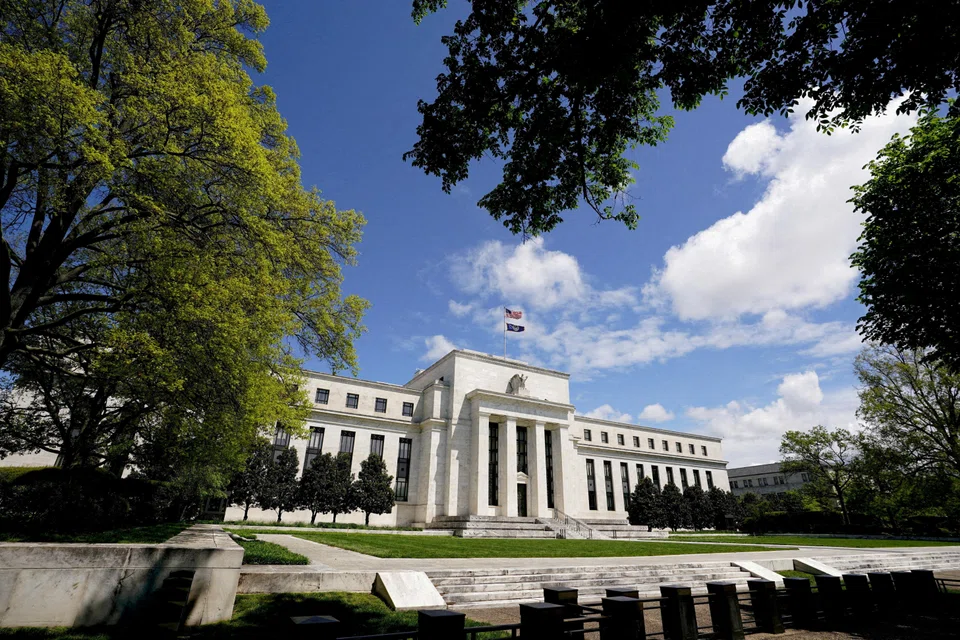
ANY urgency among US Federal Reserve and European Central Bank policymakers to follow up on September interest-rate hikes at this month’s meetings has been dialled back in the wake of soft US jobs data and acute stress in French financial markets.
Both central banks in the coming days will release minutes of the meetings in September at which they raised benchmark rates, bowing to concerns about mounting inflationary pressures.
In the US, solid economic growth has been bolstering the job market, allowing the Fed to zero in on inflation.
Minutes of the Fed’s September gathering, due on Wednesday (Oct 7), could reveal that many policymakers were deeply worried about underlying price trends and expecting to lift rates at least one more time before the end of 2026.
However, fresh employment data on Oct 2 showed lower-than-expected job creation and lacklustre wage growth – adding to evidence that the US labour market isn’t contributing to existing inflationary winds. On Sep 30, government revisions to the Fed’s preferred price gauge showed inflation has been a bit softer in 2026.
Moreover, two senior rate-setters – Fed vice-chair Philip Jefferson and New York Fed President John Williams – sent unambiguous signals just two days apart that they saw little urgency for the Fed to make another move. Investors duly reeled in their expectations for a hike.
US central bankers will meet over Oct 27-28, days ahead of hotly contested midterm elections, threatening to drench the outcome in partisan politics.
On Thursday, the ECB will release the account of its Sep 9-10 meeting and investors will watch for clues on the timing of the next ECB hike.
In the euro area, the latest figures showed inflation accelerated in September by more than forecast, largely due to war-driven energy costs. Despite the still-elevated price pressures, investors see very low chances of an October interest-rate hike.




Bond-market stress has spread globally, with France hit particularly hard as its fractured parliament fuels concerns over the Budget and deficit.
Elsewhere, Canadian unemployment and trade data will show the fallout from the country’s tariff war with the US. Central banks from about a dozen countries are due to set rates, with hikes expected in India, Kenya and Peru.
Asia
A big focus will be the Indian central bank setting borrowing costs on Wednesday. Economists expect the Reserve Bank to hike its repurchase rate to 5.5 per cent, joining peers in Japan, Australia and the US in tightening.
Australia’s Westpac Bank on Monday will release consumer confidence data, which is likely to show a further decline due to Sep 29’s rate hike.
Japan reports wages data for August on Tuesday, with a key focus on whether the rise in real wages continued for an eighth straight month.
Taiwan, Thailand, and the Philippines will release consumer price numbers during the week, with all three forecast to show inflation sped up in September.
Through the week, a series of countries will report foreign reserves data, with South Korea, Taiwan and China the main ones to watch to see if any of the money from their soaring trade surpluses is appearing in the numbers. India and Thailand will also do so.
Toward the end of the week, or possibly early next week, China’s central bank will announce September lending data, to be closely watched to see if there’s a turnaround from the slump in lending seen in August.
Europe, Middle East, Africa
France’s fiscal troubles are likely to stay centre stage, throwing focus onto the ECB as a potential firefighter.
Rate-setter appearances on the schedule include ECB chief economist Philip Lane, Austria’s Martin Kocher, and Belgium’s Pierre Wunsch. An account of the central bank’s September meeting, due on Thursday, will also come under scrutiny.
Manoeuvering for the selection of new ECB officials is intensifying. Both Bank for International Settlements chief Pablo Hernandez de Cos and former Dutch central bank Governor Klaas Knot – rival contenders to succeed President Christine Lagarde – appear at the same event on Monday.
German Chancellor Friedrich Merz is set to meet with both candidates, including Knot in the coming days, according to people familiar with the matter.
Euro-zone finance ministers could start discussions on a successor to executive board member Isabel Schnabel when they convene in Luxembourg on Thursday. That gathering will also be closely watched because of France’s bond turmoil.
Euro-region data highlights include several manufacturing releases. Starting on Tuesday, Germany publishes factory orders, industrial production and exports on successive days. French, Spanish and Italian production numbers also arrive throughout the week.
The region’s industrial challenges will focus minds when European Union Trade Commissioner Maros Sefcovic visits Beijing later in the week.
Bank of England remarks may prove a highlight in the UK, which faces bond-market challenges of its own. Five officials are on the schedule, including governor Andrew Bailey on Thursday.
Swedish inflation will be published on Thursday following the Riksbank’s shift toward a likely rate increase. In Norway, where the central bank raised rates in September, the price gauge comes out on Friday.
In South Africa, Reserve Bank governor Lesetja Kganyago will speak at the release of the monetary policy review on Tuesday. BLOOMBERG
Decoding Asia newsletter: your guide to navigating Asia in a new global order. Sign up here to get Decoding Asia newsletter. Delivered to your inbox. Free.
Share with us your feedback on BT's products and services






