
Fed hints of talk about slowing bond-buying
 Add BT as a preferred source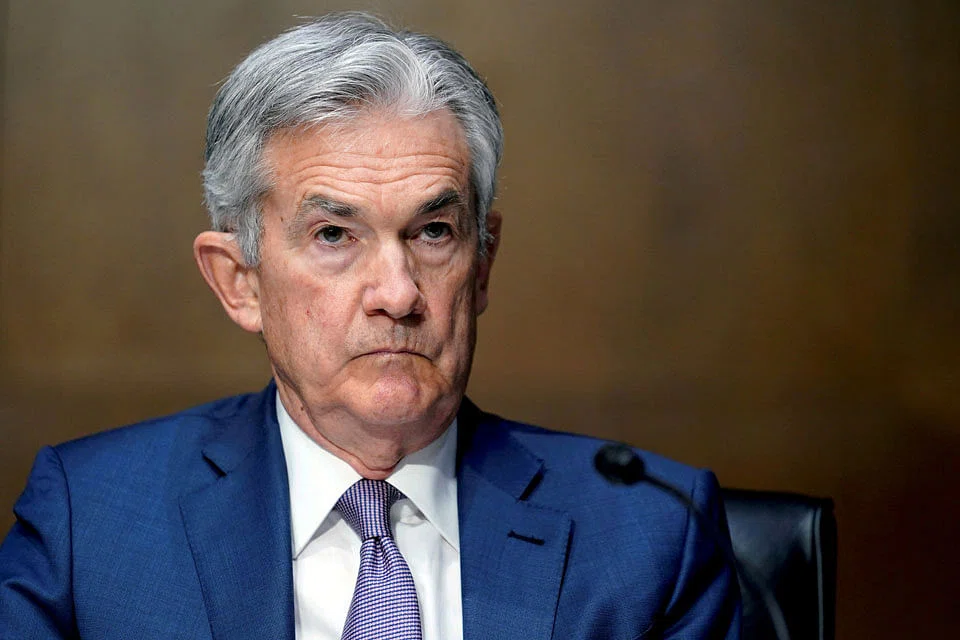
Washington
US Federal Reserve officials were optimistic about the economy at their April policy meeting as government aid and business reopenings paved the way for a rebound - so much so that a number of them began to tiptoe towards a conversation about dialling back some support for the economy.
Fed policymakers have said they need to see "substantial" further progress towards their goals of inflation that averages 2 per cent over time and full employment before slowing down their US$120 billion in monthly bond purchases.
The buying is meant to keep borrowing cheap and bolster demand, hastening the recovery from the pandemic recession.
Officials said "it would likely be some time" before their desired standard was met, minutes from the central bank's April 27-28 meeting released on Wednesday showed.
But the minutes also noted that a number of officials said that "if the economy continued to make rapid progress towards the committee's goals, it might be appropriate at some point in upcoming meetings to begin discussing a plan for adjusting the pace of asset purchases".
Navigate Asia in
a new global order
Get the insights delivered to your inbox.
The line was among the clearest signals yet that some Fed officials had considered beginning a serious conversation about pulling back monetary help.
Fed chairman Jerome Powell has been repeatedly asked whether the central bank is "talking about talking about" slowing its so-called quantitative easing programme - and he has consistently said "no".
In fact, when he faced the question at a news conference following the April meeting, Mr Powell said: "No, it is not time yet. We have said we will let the public know when it is time to have that conversation, and we have said we would do that well in advance of any actual decision to taper our asset purchases, and we will do so."
That could be because while a number of individual policymakers are beginning to think out loud about when to begin discussing the policy shift, the full committee has yet to decide to start the conversation.
In any case, the April minutes may already be out of date. Surprising data released since the meeting could make the Fed's assessment of when to dial back support more difficult.
A report on the job market showed that employers added far fewer new hires than expected.
At the same time, an inflation report showed that an expected increase in prices is materialising more rapidly than many economists had thought it would. NYTIMES
Decoding Asia newsletter: your guide to navigating Asia in a new global order. Sign up here to get Decoding Asia newsletter. Delivered to your inbox. Free.
Share with us your feedback on BT's products and services

