

Fed likely to pen rosier forecast, but no policy shift expected
Fed has promised to keep interest rates pinned near zero until economy reaches full employment, inflation hits 2%
 Add BT as a preferred source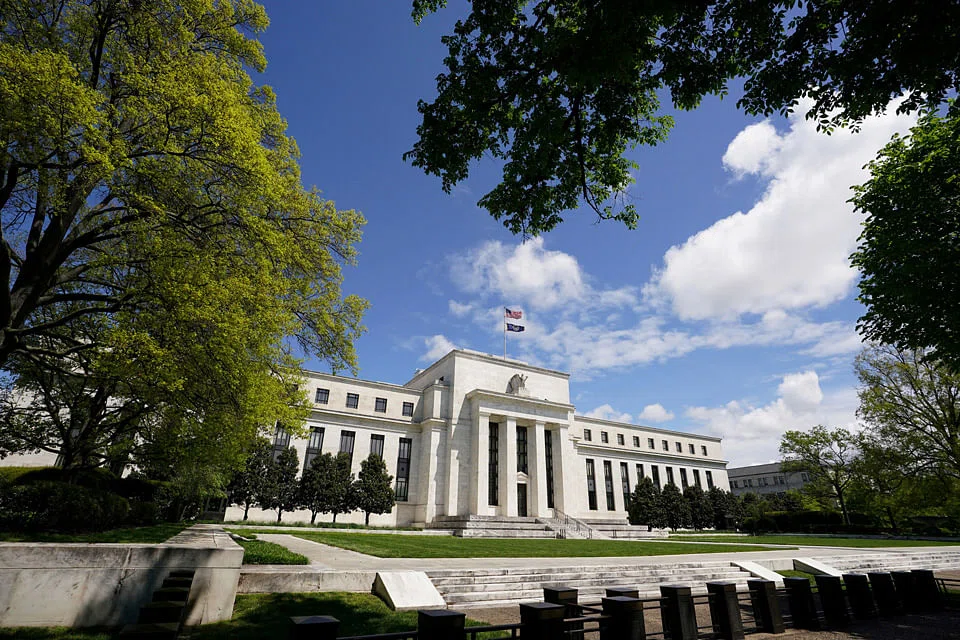
DeeperDive is a beta AI feature. Refer to full articles for the facts.
Washington
FEDERAL Reserve policymakers are expected this week to forecast that the US economy will grow in 2021 at the fastest rate in decades, with unemployment falling and inflation rising, as the Covid-19 vaccination campaign gathers pace and a US$1.9 trillion relief package washes through to households.
But investors who expect rosier projections to translate to any change in monetary policy when the US central bank's Federal Open Market Committee ends its two-day meeting on Wednesday will likely be disappointed.
"The FOMC will not validate market expectations of an earlier and faster lift-off and will reiterate that its policy stance will remain very dovish for the foreseeable future,"Cornerstone Macro economist Roberto Perli told clients in a note last week.
"Bottom line, don't expect the FOMC's tone to change much." The Fed has kept interest rates pinned near zero for the past year, and has promised to keep them there until the economy reaches full employment, and inflation has hit 2 per cent and is on track to exceed that pace for some time.
That's a higher bar for raising rates than it set in the past. With inflation falling short of the Fed's target in recent years even when unemployment was very low, the central bank flipped its policy approach last year, pledging under a new framework to no longer act preemptively to head off inflation, and to aim for broad-based and "inclusive" full employment.
Navigate Asia in
a new global order
Get the insights delivered to your inbox.
It is also buying US$120 billion in Treasuries and mortgage-backed securities and has said it will keep doing so until it sees "substantial further progress" towards its full employment and inflation goals.
In recent weeks, Fed chair Jerome Powell has said he expects faster economic growth this year to push unemployment down and prices up as newly vaccinated people dine out, book travel and undertake other long-deferred activities.
But Mr Powell doesn't expect price increases driven by the coming spending surge to be long-lasting or even terribly big, and plans to be "patient" when it comes to changing the Fed's bond-buying programme.
Mr Powell and other Fed officials have said they believe the current 6.2 per cent unemployment rate vastly understates the weakness of the labour market in part because it does not take into account the millions of people who have stopped looking for jobs.
While fresh Fed forecasts will likely pencil in a fall in unemployment this year to well below the 5 per cent projected three months ago, that decline could mask both a large number of workers on the sidelines and higher unemployment among groups hardest hit by the pandemic-triggered recession, including Blacks, Latinos and women.
"They've made it very clear that they don't think 'substantial further progress' has been made yet and think it will take some time to do so," said Zachary Griffiths, a macro strategist for Wells Fargo Securities.
Since the US central bank last provided economic forecasts in December, Congress has passed two new aid packages totalling about US$2.8 trillion - the equivalent of about 15 per cent of annual US economic output.
Given that expected influx of cash, a Covid-19 vaccination programme recently averaging more than two million shots a day, and increasing numbers of state governors relaxing restrictions on activity, Fed officials are widely expected to bump up their forecasts for economic growth this year to perhaps 6 per cent or more, from the 4.2 per cent projected in December. Anything over 5 per cent would be the fastest annual pace since 1984, when the economy grew 7.2 per cent.
A few analysts say that will mean a majority of the Fed's 18 policymakers will forecast an interest rate hike by 2023.
The so-called "dot plot" of rate hike expectations issued in December showed just five expecting rates to rise by then.
It's a "close call," Nomura economists wrote in a note last week, but with unemployment expected to fall and Fed policymakers likely to see inflation rising to 2.1 per cent in 2023, "many participants will view the Fed's three criteria for liftoff as met by mid-2023". REUTERS
Decoding Asia newsletter: your guide to navigating Asia in a new global order. Sign up here to get Decoding Asia newsletter. Delivered to your inbox. Free.
Share with us your feedback on BT's products and services
TRENDING NOW
Shelving S$5 billion office redevelopment plan proved ‘wise’ as geopolitical risks mount: OCBC chairman

Why where you park your joint venture matters: Lessons from a US$689 million shareholder dispute

China pips the US if Asean is forced to choose, but analysts warn against reading it like a sports result
Singaporeans can now buy record amount of yen per Singdollar

