

Fed to maintain bond buys until 'substantial' economy gains seen
 Add BT as a preferred source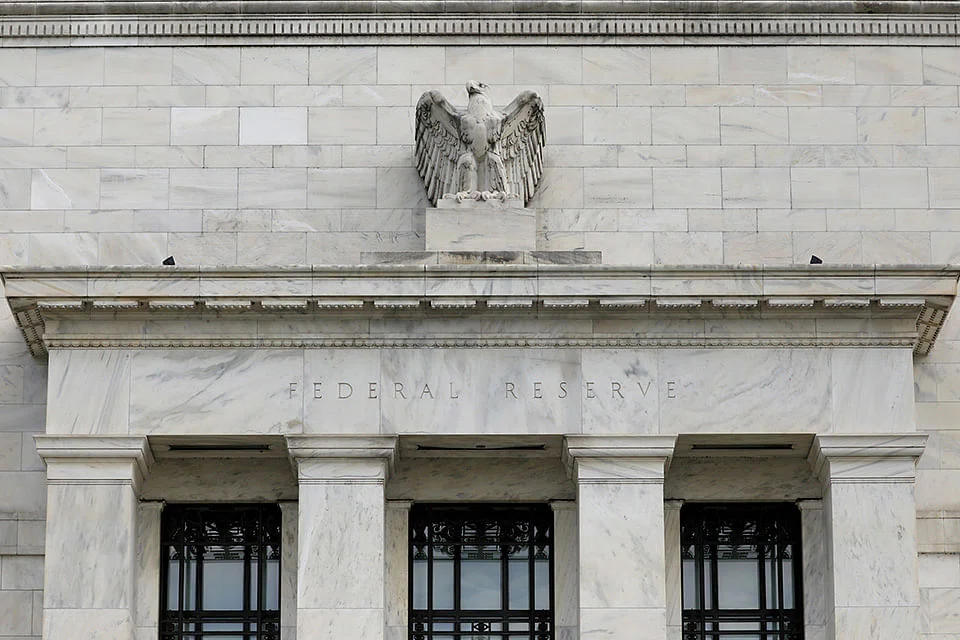
New York
THE Federal Reserve strengthened its commitment to support the US economy, promising to maintain its massive asset purchase programme until it sees "substantial further progress" in employment and inflation.
At their final meeting of a tumultuous year, policy makers led by chair Jerome Powell on Wednesday voted to maintain monthly bond purchases of at least US$120 billion and scrapped their previous pledge to keep buying "over coming months".
They didn't announce changes to the composition of purchases in their statement, declining to shift them toward longer-term maturities as some economists had recommended.
Mr Powell called the new language on asset purchases "powerful", but declined to specifically define what inflation and unemployment rates would trigger a future change in the buying campaign.
"I can't give you an exact set of numbers," he told reporters during a press conference to explain the decision. He added the point at which the economy might meet these conditions was "some ways off".
Navigate Asia in
a new global order
Get the insights delivered to your inbox.
The Fed meeting came as lawmakers on Capitol Hill tried to wrap up an agreement on new stimulus after months of deadlock, with both fiscal and monetary policy poised to help continue cushioning an increasingly shaky economy during the wait for widespread vaccine distribution.
Ten-year Treasury yields rose after the statement was released to trade at about 0.94 per cent - up from about 0.91 per cent just before.
Stocks turned positive as Mr Powell spoke.
"The Fed marked up growth in each of the next two years, marked down unemployment, and market up core inflation. Despite this, they don't expect to move rates. Good for risk appetite. Buy stocks," said Neil Dutta, head of US economic research at Renaissance Macro Research.
The Federal Open Market Committee (FOMC) said "economic activity and employment have continued to recover but remain well below their levels at the beginning of the year". Its quarterly projections for the economy showed some improvement compared with September.
The committee unanimously kept the federal funds target rate in a range of zero to 0.25 per cent, where it's been since March, and a majority of Fed officials continued to forecast that their benchmark lending rate would be held near zero at least through 2023.
Mr Powell said the next several months will be challenging, noting that many people are still lining up for food and some small businesses are struggling to hold on.
"Now that we can kind of see the light at the end of the tunnel," Mr Powell added, "it would be bad to see people losing their business" because they couldn't last another few months. He vowed that the Fed would continue to use all its tools to keep supporting the economy to bridge that gap.
The FOMC "expects it will be appropriate to maintain this target range until labour market conditions have reached levels consistent with the committee's assessments of maximum employment and inflation has risen to 2 per cent and is on track to moderately exceed 2 per cent for some time," policy makers said, repeating language from their November statement.
The central bank's meeting builds on their earlier response to the coronavirus pandemic, in which officials cut interest rates to near zero while unleashing massive bond purchases and a multitude of emergency lending programmes.
US central bankers are still far away from their goals, and Mr Powell has repeatedly called on Congress to pass another round of fiscal stimulus to help the economy through the winter as the pandemic continues to rage. The unemployment rate stood at 6.7 per cent in November, while inflation remains below 2 per cent.
Even so, financial markets have been buoyed by investors counting on steady growth next year as more people are vaccinated, as well as pent-up consumer demand, low interest rates and maybe another round of fiscal stimulus. The S&P 500 index set a record high earlier this month, while yield spreads on corporate bonds are trading around pre-pandemic lows.
Despite the ebullience in markets, non-farm payroll growth slowed to 245,000 in November - less than half the gain in October - and employment is still down roughly 10 million compared with before the virus struck. US retail sales dropped by more than forecast in November and the prior month was revised to a decline, the first drops since March and April, data showed earlier on Wednesday. BLOOMBERG
Decoding Asia newsletter: your guide to navigating Asia in a new global order. Sign up here to get Decoding Asia newsletter. Delivered to your inbox. Free.
Share with us your feedback on BT's products and services
TRENDING NOW

Middle East-linked energy supply shocks put Asean Power Grid back in focus

Thai and Vietnamese farmers may stop planting rice because of the Iran war. Here’s why

US-China rivalry and the Kindleberger Trap: Why inaction – not escalation – is the biggest risk
Will the Philippines hit the brakes on a deregulated oil industry amid fuel pain?

