

Fed rate cut and dovish signals a chance to let economy play out
Move comes as strong US consumer data offset slowdown in factory activity related to trade war
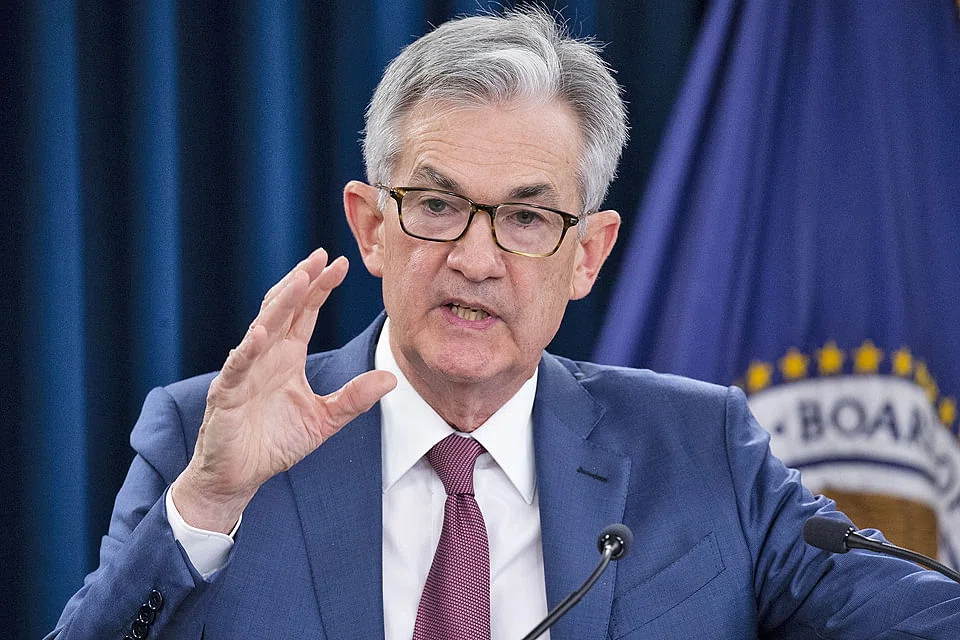
The US Federal Reserve started the year with a u-turn, but now the central bank is screeching to a halt, which could give investors yet another jolt.
The Fed cut interest rates for the third time in 2019 in a policy decision announced on Wednesday (Thursday morning, Singapore time).
But the accompanying statement from chairman Jerome Powell's board also hinted that the central bank was pulling the brakes on additional cuts in the short term.
"I think it was more than a hint," said Scott Clemons, chief investment strategist for private bank Brown Brothers Harriman. "It's the closest statement the Fed will make to 'we are going to take a couple meetings off and assess how these last cuts affected the economy'."
Stocks rose slightly in the wake of the statement, partly because of the central bank's vote of confidence in the economic outlook. But safe-haven Treasury bonds rose, too, suggesting some investor nerves about whether the confidence was warranted.
Late last year, the Fed was in the midst of a series of planned rate hikes when the broad Standard & Poor's 500 came within inches of bear-market territory because of fears that the trade war would lead to a recession.
In January, Mr Powell succumbed to market pressure, and said he would consider rate cuts. The "U-turn" saved the bull market from a collision with the bears, and, alongside actions from the European Central Bank and others, may also have fended off a global recession.
In its statement, the Fed characterised the rate cuts as insurance policies against the spread of economic weakness worldwide to the US.
Arguably, the contagion has already reached US shores and infected the manufacturing sector. Earlier on Wednesday, the US Commerce Department reported that diminished business spending slowed economic growth in the third quarter to 1.9 per cent.
While that was unimpressive, it was "certainly nothing close to the recession that everybody was talking about", said Jim Paulsen, chief investment strategist at the Leuthold Group.
The consumer components of the report were strong, he said, continuing a narrative that has emerged in recent data, where a positive mix of factors for the consumer - rising wages, falling or flat gasoline prices and growing investments - offset slowdowns in factory activity related to the trade war.
"What the Fed is watching is whether or not manufacturing woes leak into consumer activity and consumer confidence," said Mr Clemons.
He added that the Fed's Wednesday statement reduced investors' expectations for rate policy moves in the near term, which was a clever way of taking market focus off the Fed itself.
"If I were to channel my inner Jerome Powell, I would say, 'I don't want people talking about me and the Fed for the next three or four months'," said Mr Clemons. "Let them talk about trade, let them talk about Brexit, let them talk about impeachment (of US President Donald Trump). Monetary policy works best when it's just working in the background."
Some strategists, including those at Bank of America Merrill Lynch Global Research and Swiss bank UBS, believe the Fed's Wednesday statement and Mr Powell's press conference may have closed the door on a December rate cut but left the door ajar to resuming cuts in 2020.
Others argued that the central bank's well-signposted pause would be less worrying than a surprise cut in December.
"I actually think if they're going to err on this moment, that if they err on the side of dovishness that's a bigger risk," said Mr Paulsen. "That will scare market participants, because it'll suggest they see something else coming, that it's going to get worse before it gets better."
Even on the central bank's board, there are those who warn that more rate cuts would be counterproductive.
Federal Bank of Boston president Eric Rosengren has warned that the easy-monetary policy at this point in a vulnerable economic cycle could lead to the kind of irrational exuberance that has ended the last two periods of economic expansion.
Currently, according to Mr Powell, there are no signs of such imbalances.
Both Mr Paulsen and Mr Clemons argued that earnings and economic data will outweigh Fed policy for the stock market's next move.
The fact that tech giants Apple and Facebook have given impressions of holiday-season growth above Wall Street expectations suggest that any Fed-related volatility will be eclipsed by growth optimism - for now, at least.
TRENDING NOW

Peter Kwee’s Ridley Park bungalow on the market with S$100 million asking price

Motoring tycoon Peter Kwee is back in court: Here are his previous legal battles

Demand, tech capabilities position Apac and AI as Skyscanner’s next growth frontiers: CEO Bryan Batista

South-east Asia has lost Nvidia’s best salesman

