

Fed's planned 50bp hike risks continuation of bond, stock bloodbath
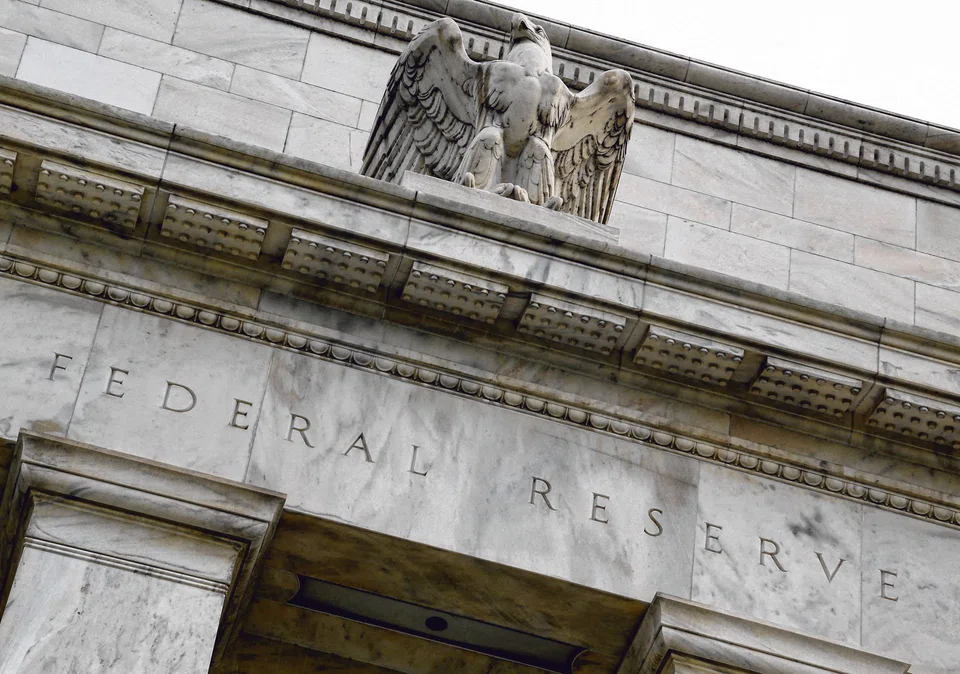
LIKE a reluctant sheriff in a Western belatedly challenging the baddies to a gunfight, United States Federal Reserve Chairman Jerome Powell has set global markets up for a bloodbath with his sudden resolve to attack inflation.
Bullets are likely to fly around stock and bond markets as the Fed looks set to make its most aggressive rate move in two decades on Wednesday.
The Fed has already signalled that it’s ready to shoot with both barrels: Powell and other officials have hinted they will boost rates by a super-sized half-a-percentage-point at the Federal Open Market Committee meeting.
This move is seen by the Fed as its last chance to prevent war and post-pandemic disruptions from causing an era of hardship for the US.
Stock and bond markets are reacting: The S&P 500 has had its worst start to a year since the last time a major European war started in 1939. Meanwhile, yields on Treasuries and the value of the dollar have risen as rapidly and drastically as stocks have fallen.
The 14 per cent, 4-month sell-off on the S&P 500 and the jump in 10-year Treasury yields from 1.5 per cent to 2.9 per cent are the financial-market equivalent of all the townspeople diving under the tables in the saloon as the sheriff kicks the swing-door open.
For 18 months after the onset of the global Covid-19 pandemic in March 2020, the US central bank's easy policies pumped up global stock markets, commodities prices, housing prices, and cryptocurrencies, and all but wiped out Treasury yields and the US dollar.
Powell spent roughly a year dismissing rising inflation as a “transitory” phenomenon, portraying it as the economy shaking off the cobwebs as it awoke after the lockdown era.
Inflation was already running near historic highs when Powell finally accepted he would have to take the rate-hike pistol out of its holster in December.
And that was before Russia shocked the world by invading its smaller neighbour in February, causing oil futures to rise by more than a third in a matter of days.
Since then, the central bank has not just changed its tone - it appears to have acquired a new voice.
Gone is the carefree warbling of the dove, and, in its place, are the screeched warnings of the hawk.
As recently as November, a series of standard-issue quarter-percentage rate increases was almost unthinkable.
Now, the Wall Street prognosticators are building several half-percentage-point moves into their models.
On Wednesday, strategists say, Powell will likely maintain that hawkish tone, and signal that the central bank will continue its inflation showdown until it has made the world safe from price spirals, no matter what that means for growth.
At first glance, the recent Q1 GDP report seemed to suggest the risk of overheating was on the wane.
The US economy contracted in the first three months of the year, and a second such report would represent a recession.
But the fine print of the GDP report told a different story.
US consumption actually rose during the quarter, but purchasing activity wasn’t captured in the report because an outsized portion was spent on expensive imports.
In other data, earnings reports from General Electric, Boeing, Apple and others showed materials and freight prices as well as supply-chain blockages taking their toll on corporate growth.
Not only is the price of gas near record highs; the prices of critical grains such as corn, soybeans and wheat are near multiyear or record highs.
The combination of rampant appetite for spending, from a populace emerging from a 2-year hibernation period, with already elevated prices shows the challenge the Fed is facing.
“The Fed will have its work cut out slowing an economy that has so much momentum,” said strategists at brokerage Jefferies, in a note to clients. “To cool aggregate demand sufficiently, the Fed will have to tighten very quickly, running the risk of monetary overkill.”
If inflation peaks in the next month or so, as some readings of core price changes, excluding food and energy prices, suggest is possible, the worst of the Fed’s inflation showdown may be over.
For now, however, most market participants remain huddled underneath the saloon tables, waiting for the big rate hikes to hit.
Said economists at brokerage Bank of America Global Research, in a note to clients: “The key risk is that inflation remains elevated next year, forcing the Fed to hike until it hurts.”
TRENDING NOW

If Europe goes to war, the fallout will be felt in East Asia

Government to bring forward raising of retirement age, give employers more financial support to create flexi-load jobs
Indonesia stocks suffer worst plunge in nearly 30 years as MSCI proposes standalone status

Mapletree Industrial Trust posts 6.6% drop in Q2 DPU to S$0.0297

