

Few tankers enter Hormuz to load oil, LNG floating storage rises, data shows
Both Iran and US are trying to exert control over the strait
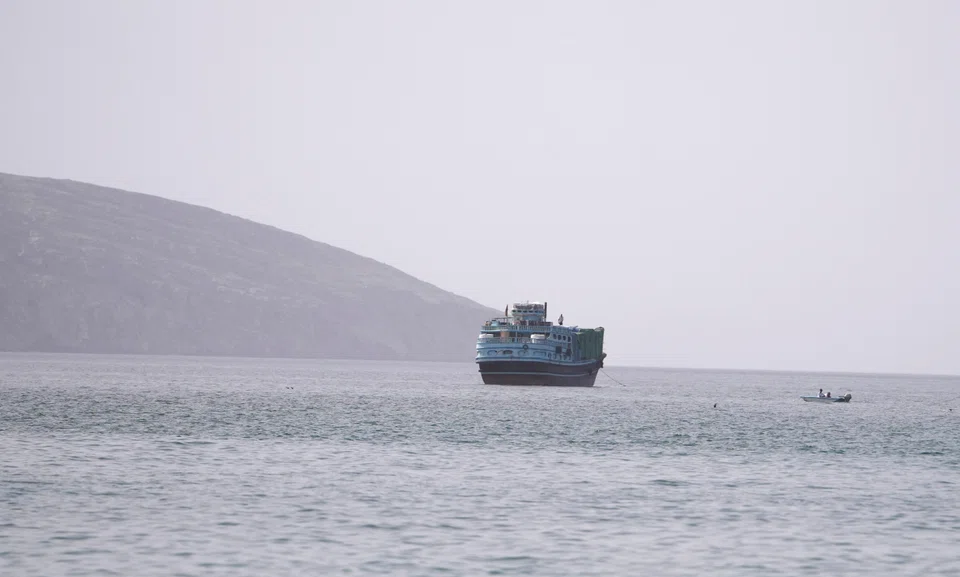
[SINGAPORE] The number of ships transiting the Strait of Hormuz stayed low during the weekend as the United States and Iran intensified attacks in the Middle East, shipping data showed on Monday (Jul 20).
Four vessels made the crossing on Sunday, down from eight the previous day, data from LSEG showed. At least three oil products tankers and one Very Large Crude Carrier have entered the strait since Friday to load oil, the data showed.
LSEG data covers transit for container ships, bulkers, vehicle carriers, and tankers that carry oil, gas and chemicals.
On Sunday, the US said it had completed an eighth straight night of attacks against Iran, while US allies Kuwait and Bahrain reported more Iranian attacks.
In recent days, both sides have taken aim at shipping traffic, with the US saying it is enforcing a naval blockade on Iranian ports, and Iran saying it targets vessels violating its rules on navigating the Strait of Hormuz, which usually handles one-fifth of global oil trade.
The United Kingdom Maritime Trade Operations agency said on Monday it had received a report indicating that a vessel was on fire 8 nautical miles north-west of Oman’s Kumzar. UKMTO said the cause of the fire had not been verified.
No liquefied natural gas tankers have been visible passing through the strait since Thursday. Tankers and other vessels have sometimes shut off transponders to mask their passage.
The combined 10-day moving average of laden LNG transits through the strait fell to just 0.2 cargoes per day by July 15 from roughly 0.8 cargoes per day in late June, vessel tracking data from S&P Global Energy showed.
Only one LNG cargo is known to have exited the Gulf in the past week, the data showed.


However, LNG production and vessel loadings at Qatar and the United Arab Emirates have continued at a relatively robust pace despite the disruption to outbound shipping, S&P Global analysts said in a note, leading to a growing inventory of LNG aboard tankers waiting inside the Gulf.
Seven laden Qatari LNG carriers were estimated to be holding around 0.57 million metric tons of LNG as of mid-July while nearly 1.9 million tons of LNG tanker capacity is currently positioned inside the Gulf - the equivalent of around eight days’ worth of typical pre-war peak exports from the two projects, according to S&P Global.
“Should the effective blockage of the Strait of Hormuz ease in the coming weeks, these vessels could enable a relatively rapid increase in exports, releasing LNG that has already been produced and loaded,” it added. REUTERS
Decoding Asia newsletter: your guide to navigating Asia in a new global order. Sign up here to get Decoding Asia newsletter. Delivered to your inbox. Free.
Share with us your feedback on BT's products and services
TRENDING NOW

DBS, OCBC, UOB rout lops billions off STI as inflation, rate concerns spook investors

Grab CEO’s wife Chloe Tong on life with Anthony Tan and finding her purpose

OCBC sheds S$8 billion in value as shares close nearly 6% down; analysts cautious on banks

Deal between tycoon friends sparks scrutiny of Philippine power sector

