
Fight against terror extends to improving building security

Certain buildings - even those yet to be built - must incorporate security into their design
Published Mon, Oct 2, 2017 · 09:50 PM

    Singapore

    CRITICAL infrastructure, buildings with high traffic by members of the public and iconic buildings must now incorporate anti-terrorism security features into their design before they are built or renovated.

    The requirement for these "Special Developments" (buildings not yet built) and "Special Infrastructures" (existing buildings) comes with the passing of the Infrastructure Protection Bill in Parliament on Monday.


    The Bill also vests in the authorities the power to issue directives to protect other buildings against terrorist attacks; it boosts the power of property owners to protect sensitive locations as well.

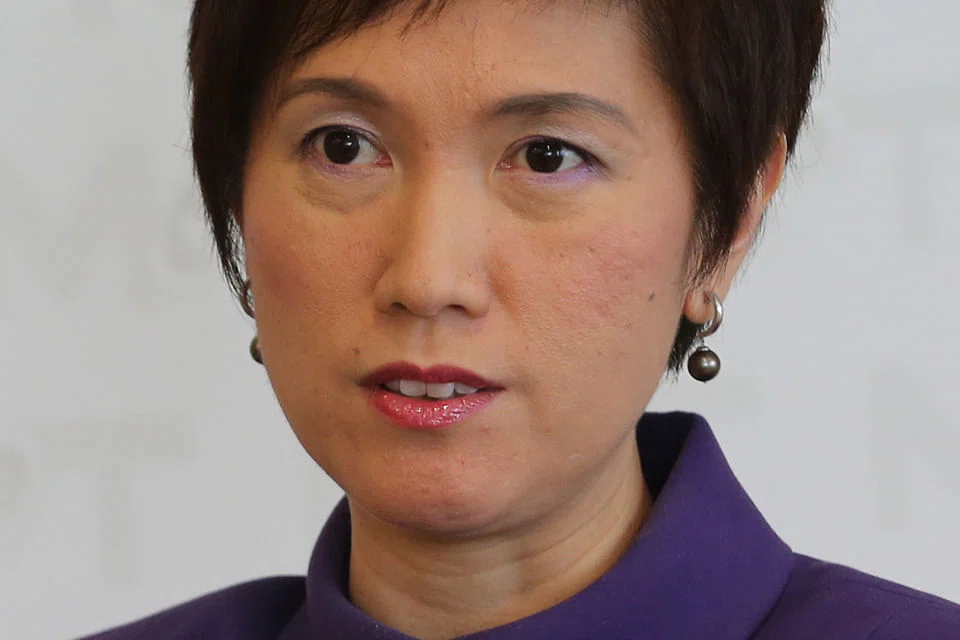
    Second Minister for Home Affairs Josephine Teo, in taking the Bill through its Second Reading on Monday, said: "The Bill aims to protect key infrastructure against attacks."

    The minister, who is also Minister in the Prime Minister's Office and Second Minister for Manpower, said the Bill is a continuation of Singapore's counter-terrorism efforts. "It has to be seen against the backdrop of the evolving and worsening threat, and the cognisance that no single approach can effectively deal with it."

    She said building security is the responsibility of building owners, but that it is in the public interest for the government to be proactive in ensuring that appropriate security measures are in place to safeguard lives and property for certain buildings, for which "the risk and impact of an attack are much more significant".

    These buildings include those which provide essential services, those with high public footfall or which are iconic to Singapore society and way of life.

    Integrating security features into the building design will ease security risks, she said. Security-by-design is "generally more cost-effective because good design can reduce or even eliminate the need for some security measures". It also obviates the need for costly retrofitting later on, she added.

    Critical infrastructure vital to the delivering of essential services such as water, power and transport will come under the security-by-design requirement.

    Buildings with high public footfall will be identified based on objective criteria such as gross floor area, whether they are zoned for commercial, community or mixed use, and whether they are in certain planning areas.

    "We will publish the criteria which will be used to designate a class of Special Developments under a Gazette order," Mrs Teo said. "The order will require any new developments that meet the criteria to undergo security-by-design."

    New developments that do not meet the high-public-footfall criteria, but which are iconic may also be designated as Special Developments.

    As for existing buildings frequented by members of the public and designated Special Infrastructures, the Ministry of Home Affairs will engage their owners in assessing the need for security measures, taking into consideration the building's actual land use and profile, said Mrs Teo.

    A Commissioner of Infrastructure Protection may also issue security directives to publicly accessible premises which are not designated as Special Infrastructures.

    If a terrorist attack is imminent, the Minister for Home Affairs is empowered to issue an order to any premises to take immediate actions against the risk.

    "The order can require security measures such as preparing and implementing contingency plans, installing temporary security measures and deploying security guards to restrict the access of people and vehicles," Mrs Teo said.

    The enhanced powers to protect "sensitive locations" refer to locations now declared under the Protected Areas and Protected Places Act.

    "Most Singaporeans would be familiar with the red warning signs," Mrs Teo said. "These are sensitive facilities where the movement and conduct of persons need to be controlled for security reasons, for example, border checkpoints, military training camps and critical infrastructure delivering essential services."


