

Foreigners raise record yuan debt in China as global issuers tap low rates
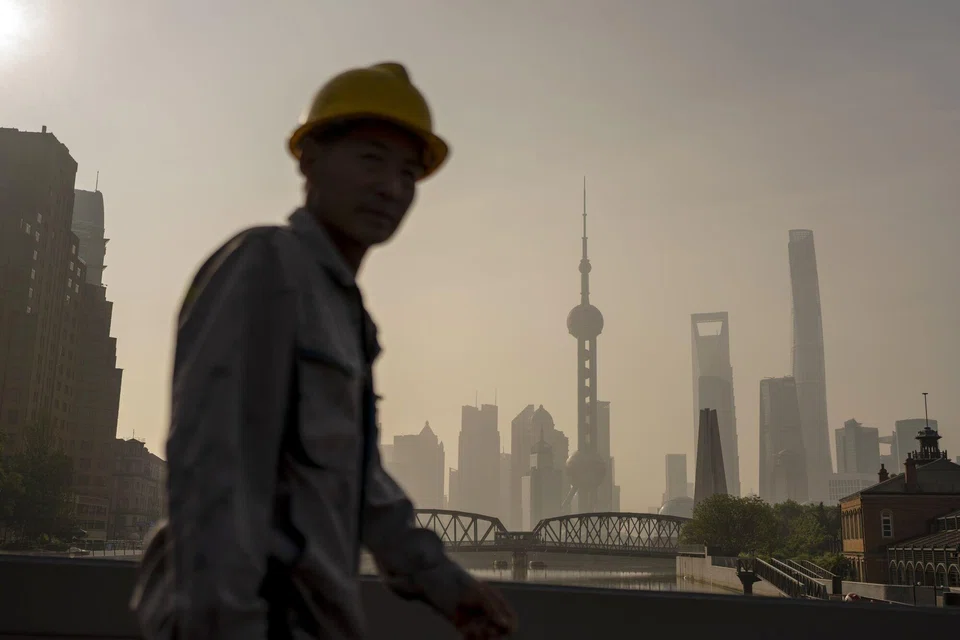
FOREIGN borrowers are raising a record amount of yuan debt in China, as lower interest rates and looser rules boost the appeal of a market designed to help internationalise the nation’s currency.
Sales of so-called panda bonds, or yuan notes from offshore issuers in China’s domestic interbank market, have reached the equivalent of US$10.4 billion so far this year, the most ever for the period, Bloomberg-compiled data show.
Driving the boom in a market that counts Mercedes-Benz Group and the Hungarian government as borrowers has been a historic divergence between Chinese and US monetary policy that makes funding notably cheaper in the Asian country. The issuance frenzy also is a rare bright spot in the world’s No 2 economy, aiding authorities’ long-term goal to globalise the yuan even as it confronts a fresh bout of weakness.
“From a cyclical point of view, it’s mostly about interest rate differential between the yuan and the dollar,” said Gary Ng, senior economist at Natixis. “The People’s Bank of China (PBOC) will only cut interest rates further, while the US rate hikes will only stop after another 25 basis points hike. It’s adding to the attractiveness of borrowing in yuan.”
As the Federal Reserve tightens policy to combat inflation and the PBOC does the opposite to stimulate growth, the yield gap between US and Chinese 10-year government bonds hit 119 basis points earlier this month, the widest since November.
The panda bond market also has become more attractive in the last two years after regulators relaxed rules to make issuance easier and more transparent, said Hu Kun, general manager of Bank of China’s investment banking department. “Such infrastructure building helps mature or high-quality issuers better adapt to China’s market.”
One of the reforms announced late last year was to allow panda bond issuers to either retain the proceeds raised in China or remit them overseas, a favourable treatment in a country known for its tight capital controls.
China established the panda market in 2005, shortly after a major reform to revalue the yuan and introduce a more modernised exchange-rate regime. The move formed part of broader efforts to open up financial markets and increase the international appeal of its currency.
The market has since attracted a variety of issuers, from the World Bank to Veolia Environnement and United Co RUSAL International, as well as offshore units of cash-hungry Chinese developers.

To be sure, the Chinese currency’s recent rapid depreciation – it’s fallen almost 5 per cent against the dollar this year – may now be a factor for borrowers planning to convert the proceeds. For others, it may encourage them to keep the funds within China.
“If there is continuing depreciation of the renminbi, issuers that have a revenue source in China may be more inclined to issue RMB-denominated bonds to avoid exchange rate risks,” said Guiping Lu, a Hong Kong-based partner at law firm Mayer Brown.
Dim Sum feast
The benefits of China’s monetary easing have also reached offshore yuan trading centres like Hong Kong, where sales of the so-called dim sum bonds reached a record year-to-date US$37 billion too, according to Bloomberg-compiled data.
Similarly, the surges in US and Hong Kong dollar funding costs have elicited demand for dim sum loans, with Hong Kong-based bankers reporting an increase in client inquiries about adding yuan tranches to offshore lending facilities.
Recent examples of the relatively new breed of loans include one marketed for Zhejiang Huayou Cobalt’s Hong Kong unit that contains an offshore yuan portion. China Hongqiao Group has also appointed banks for a potential offshore loan that will have a dim sum tranche.
In any case, a thriving debt market accessible to foreign borrowers, either onshore or offshore, works in favour of boosting global demand for China’s currency.
“To an issuer, raising panda bond debt itself is an act of yuan internationalisation,” said Bank of China’s Hu. “It means the borrower has the potential need for yuan payment or demand for yuan funding sources.” BLOOMBERG
Decoding Asia newsletter: your guide to navigating Asia in a new global order. Sign up here to get Decoding Asia newsletter. Delivered to your inbox. Free.
Share with us your feedback on BT's products and services
TRENDING NOW
Singapore expects all parties to honour commitments, says PM Wong after Indonesia cuts gas exports

Gas Supply may pursue remedies if contract breached following Indonesia’s export cuts: Tan See Leng

SoftBank’s Son plans US$50 billion Malaysia tech outlay: Anwar Ibrahim

Is Manila Asia’s new dining hot spot?

