French stocks see US$210 billion wipeout from Macron’s vote call
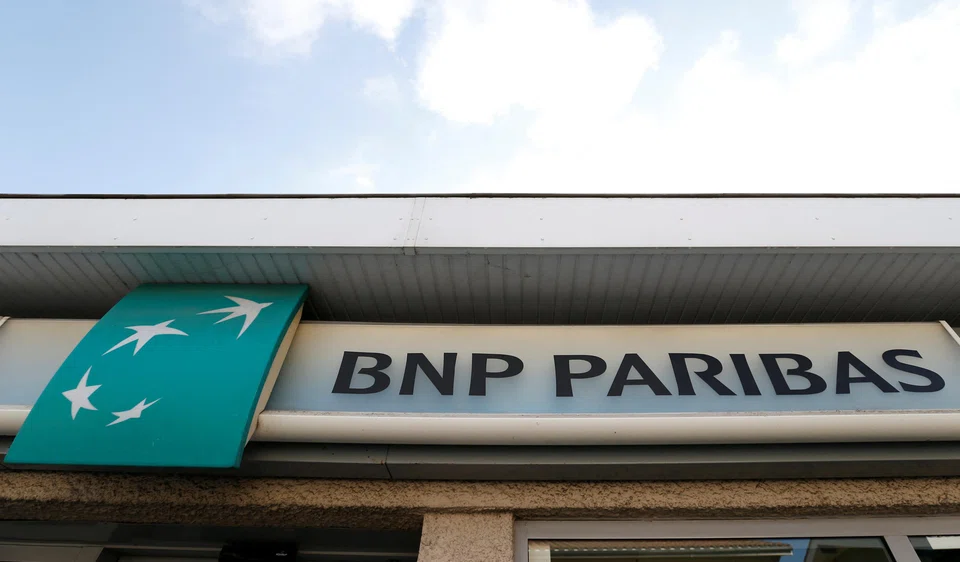
FRENCH stocks lost about US$210 billion in market capitalisation this week, about the size of Greece’s economy, following President Emmanuel Macron’s decision to call a snap election. The CAC 40 index erased all gains for 2024.
That’s weighed on the pan-European Stoxx 600 benchmark, which had its worst week since October. The index was down 1 per cent by the close on Friday (Jun 14) in London, with autos and industrials the biggest laggards. Defensive sectors such as healthcare and consumer staples outperformed, while France’s benchmark dropped 2.7 per cent.
Defense firms declined ahead of a Swiss-hosted Ukraine peace summit and as Reuters reported that China is pushing a rival peace plan. France’s biggest lenders, including BNP Paribas and Societe Generale, dropped more than 10 per cent over the week.
“Political uncertainty is going to keep setting the trend in European markets, at least in the short term,” said Thomas Nugent, equities portfolio manager at Mapfre. The Spanish asset manager has increased its equity exposure on the expectation corporates will have a better second half of the year than the first.
Concerns that Marine Le Pen’s far-right National Rally party may usher in looser fiscal policies if it wins legislative elections have fueled a decline in French bonds, driving yields over safer German peers to the highest level in seven years. On Friday, Finance Minister Bruno Le Maire warned that victory by a new left-wing alliance would lead to the country’s exit from the European Union.
“Macron’s gamble on new elections could go badly wrong after the left-wing parties agreed to unite, which would undermine strongly Macron’s centrist alliance,” said Uwe Maderer, head of fixed income at LBBW Asset Management. “They could be nearly wiped out in the election in a worst-case scenario. Much of the market pricing is still totally benign in terms of spreads, volatility and interest rate curves.”
Trading patterns in Euro Stoxx 50 Futures have changed during the current drawdown. While the first half of the recent pullback saw below average turnover, trading size has picked up in June, with political events most likely sparking a higher demand of hedging and de-allocation of risk via futures. With futures quickly moving from gains to losses in early Friday trading, it suggests investors behaviour is changing from buy-the-dip to sell-the-bounce. BLOOMBERG
Decoding Asia newsletter: your guide to navigating Asia in a new global order. Sign up here to get Decoding Asia newsletter. Delivered to your inbox. Free.
Share with us your feedback on BT's products and services