

German firms’ investments in China boomed in 2025 on US trade war worries
Funding climbs to more than 7 billion euros (S$10.5 billion) between January and November in 2025, up 55.5% from 2024
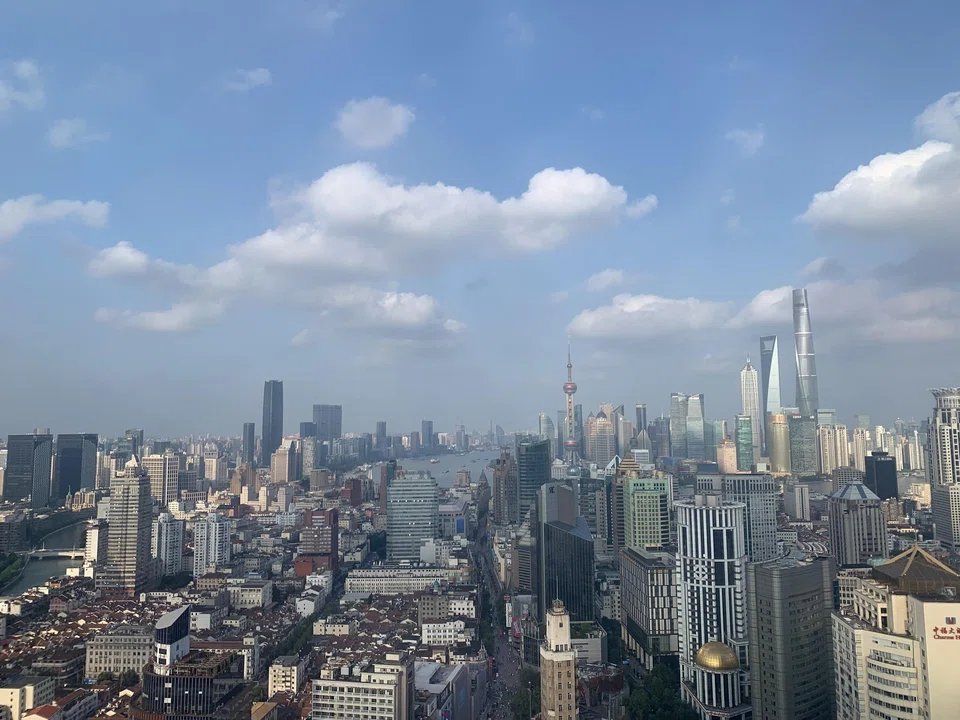
[BERLIN/FRANKFURT] German companies’ investments in China hit a four-year high in 2025, based on data compiled by Reuters, underscoring how US President Donald Trump’s trade war is pushing industries and governments to boost business ties elsewhere.
The data from the IW German Economic Institute showed that investments in China climbed to more than seven billion euros (S$10.5 billion) between January and November last year. This is up 55.5 per cent from 4.5 billion euros in 2024 and 2023.
The investment figures show how Trump’s aggressive trade policies in his first year in office, including far-reaching US tariffs on European Union imports, have pushed firms in Europe’s top economy to shift their focus to China as an alternative.
It comes as Britain’s government heads to China with a delegation hoping to seal more business deals from cars to pharmaceuticals, as the EU nears a deal with South America, and as Canada seeks to expand trade deals with China and India.
Berlin, meanwhile, has sought to balance toughening its stance towards Beijing over trade and security, while trying to avoid damaging the fundamental relationship with its top trade partner.
“German companies are continuing to expand their activities in China – and at an accelerated pace,” said Juergen Matthes, head of international economic policy at the IW Institute, citing a trend to strengthen local supply chains.
It was reported on Jan 19 that German companies have nearly halved their investments in the US in the first year of Trump’s second term.
Fear of ‘geopolitical conflicts’
The shift was also driven by concerns “about geopolitical conflicts”, which were prompting companies to bulk up their China business so they could operate more independently in case of any major trade disruptions, Matthes said.
He added that many companies said that if they were only producing in China for China, then they would reduce their risk of being affected by possible tariffs and export restrictions.

German companies, ranging from BASF and Volkswagen to Infineon and Mercedes-Benz, remain heavily dependent on the Chinese market, where most of the world’s cars and chemicals are sold.
German fan and motor maker ebm-papst said that in 2025, it invested 30 million euros in the expansion of its Chinese operations, which accounted for more than a fifth of its total investments. This was done to produce more where its customers were.
“This model has proven to be an important anchor of stability, especially in times of tariffs and geopolitical tensions,” it noted, adding that it was also planning to expand its US business in 2026.
The overall investment figure for 2025 also beats the six billion euro average for the period from 2010 to 2024, the IW report showed, which draws on data from Germany’s central bank.
China last year reclaimed its spot as Germany’s top trading partner after being overtaken by the US in 2024, driven by the rising imports from the world’s second-largest economy. REUTERS
Decoding Asia newsletter: your guide to navigating Asia in a new global order. Sign up here to get Decoding Asia newsletter. Delivered to your inbox. Free.
Share with us your feedback on BT's products and services
TRENDING NOW

Once staunchly pro-China, Malaysian Chinese businesses are now distancing themselves from Beijing

Looking beyond looming CEO succession, should UOB potentially pursue a transformative merger?

Could stablecoins be the future of money?

Grab CEO’s wife Chloe Tong on life with Anthony Tan and finding her purpose

