German industrial production unexpectedly declined in October
Output decreased 1% from the previous month, worse than any forecast in a Bloomberg survey of economists
 Add BT as a preferred source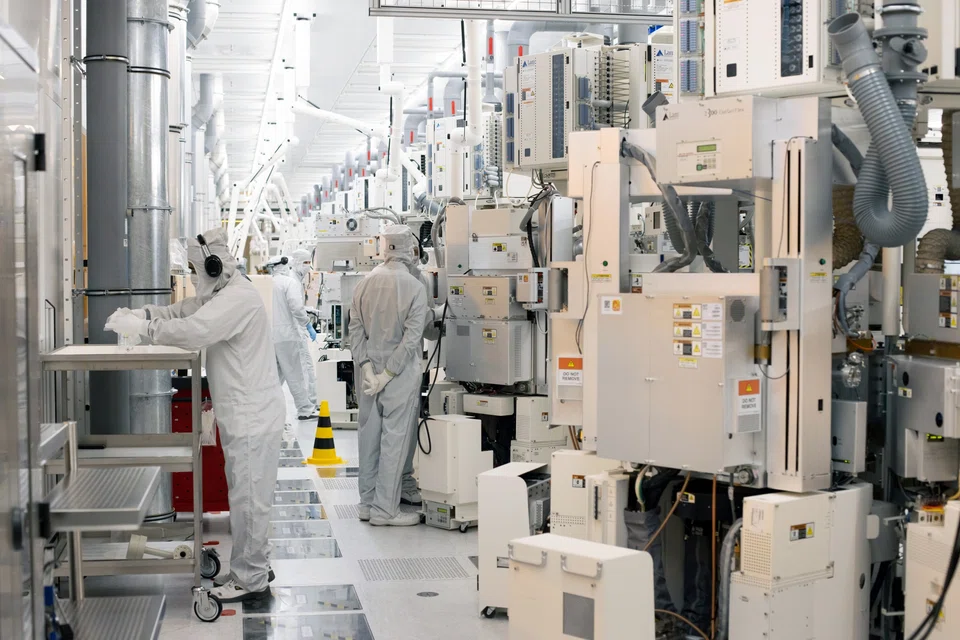
DeeperDive is a beta AI feature. Refer to full articles for the facts.
GERMAN industrial production unexpectedly fell in October, dashing hopes that the key sector for Europe’s largest economy may slowly be overcoming its malaise.
Output decreased 1 per cent from the previous month, worse than any forecast in a Bloomberg survey of economists, which had a median estimate of a 1 per cent increase. On a three-month basis, it was 0.4 per cent lower, the statistics office said on Friday (Dec 6).
The data contrast with figures earlier this week showing factory orders dropped less than expected in the month – and even increased slightly without large-scale orders, which tend to be volatile.
The manufacturing recession is weighing on the Germany’s economy, which is headed for a second straight year of contraction.
Bundesbank President Joachim Nagel has even warned that gross domestic product may also shrink in 2025 if US President-elect Donald Trump implements the trade tariffs he’s threatened on China and other countries.
While the services sector had been holding up well until recently, offsetting some of the industrial weakness, the latest business surveys from S&P Global showed a deterioration there too.
Navigate Asia in
a new global order
Get the insights delivered to your inbox.
Industry is under pressure from external factors such as the loss of Russian energy supplies after the invasion of Ukraine and soft Chinese demand. At home, a shortage of skilled workers is a drag.
Due to the poor economic prospects, some companies have announced thousands of job cuts, especially in the flagship automotive sector, raising concerns about a downward spiral.
Some support may come from the European Central Bank, which is likely to reduce borrowing costs again next week and further in 2025. BLOOMBERG
Decoding Asia newsletter: your guide to navigating Asia in a new global order. Sign up here to get Decoding Asia newsletter. Delivered to your inbox. Free.
Share with us your feedback on BT's products and services