German inflation plunges to 2% as ECB prepares to cut rates
The 2% reading is the lowest since 2021
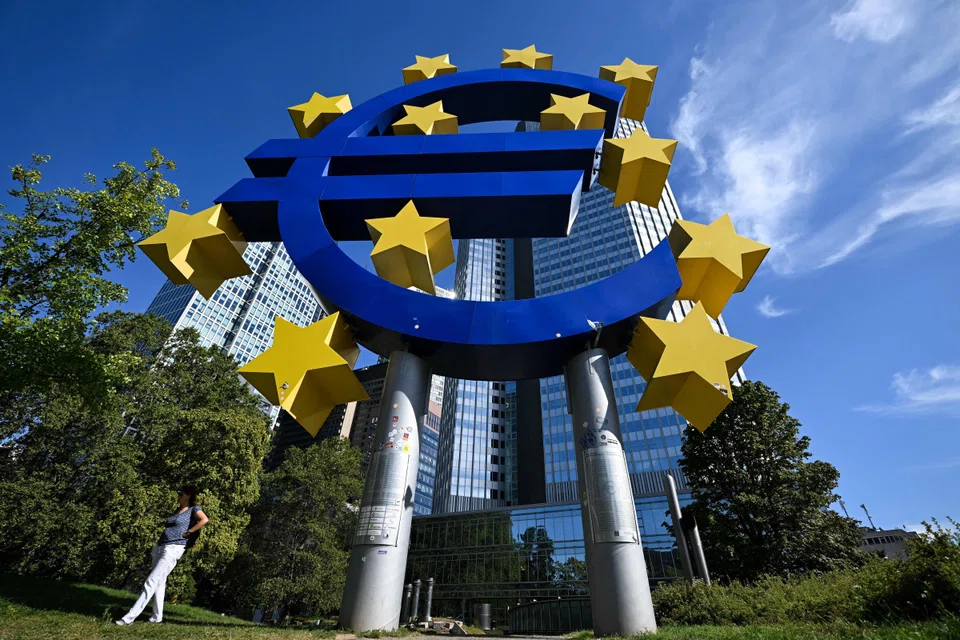
GERMAN inflation slowed to the European Central Bank’s target in August – supporting the case for another cut in interest rates next month.
The 2 per cent reading – the lowest since 2021 – was down from 2.6 per cent in July and less than all but one economist surveyed by Bloomberg had estimated. A report earlier on Thursday (Aug 29) showed that price pressures also eased significantly in Spain, reaching a one-year low.
The disinflation trend is expected to play out in the eurozone’s other two biggest economies – France and Italy – when numbers are published on Friday. There’ll also be figures for the bloc itself, where analysts see a retreat to 2.2 per cent and a nowcast from Bloomberg Economics predicts a return to the 2 per cent target.
With price gains moderating in line with ECB projections, wage pressures easing and economic momentum faltering, officials in Frankfurt led by President Christine Lagarde have warmed to a September rate cut. That would be the second reduction after an initial step in June began unwinding the spate of hikes enacted to tame record inflation.
Policymakers, though, have also cautioned that there may be setbacks in the months ahead, stressing that their fight isn’t yet won. Underlying price growth remains strong, and increases in services costs in particular are still a big concern.
“Today’s drop in German inflation is the result of lower energy prices and favourable base effects as well as lower prices for goods,” Carsten Brzeski, ING’s global head of macro, said in an emailed note. Even so, “it’s too early to give the all-clear on inflation, both in Germany and the entire eurozone.”
The ECB hasn’t yet secured the return to the 2 per cent goal, chief economist Philip Lane warned last week, saying monetary policy must remain restrictive for now.
While one more quarter-point cut in the deposit rate next month – to 3.5 per cent – won’t challenge that objective, the debate in the Governing Council about subsequent steps may soon become more heated.
Already now, some differences in opinion are starting to emerge. While Portugal’s Mario Centeno – one of the ECB’s most outspoken policy doves – considers next month’s decision to cut borrowing costs is an “easy” one, Austria’s Robert Holzmann – an arch hawk – reckons such a move isn’t a “foregone conclusion.”

Officials could yet be swayed. Data due before their decision in two weeks include a broad gauge of wage pressures and updated economic projections that will reveal when inflation can be expected to hit 2 per cent.
In Germany, Bloomberg Economics’ nowcast points to a reading of that level again in September, taking the latest data into account. It predicted 1.9 per cent for August. BLOOMBERG
Decoding Asia newsletter: your guide to navigating Asia in a new global order. Sign up here to get Decoding Asia newsletter. Delivered to your inbox. Free.
Share with us your feedback on BT's products and services