

German inflation surges to 3.8% in July, highest since 2008
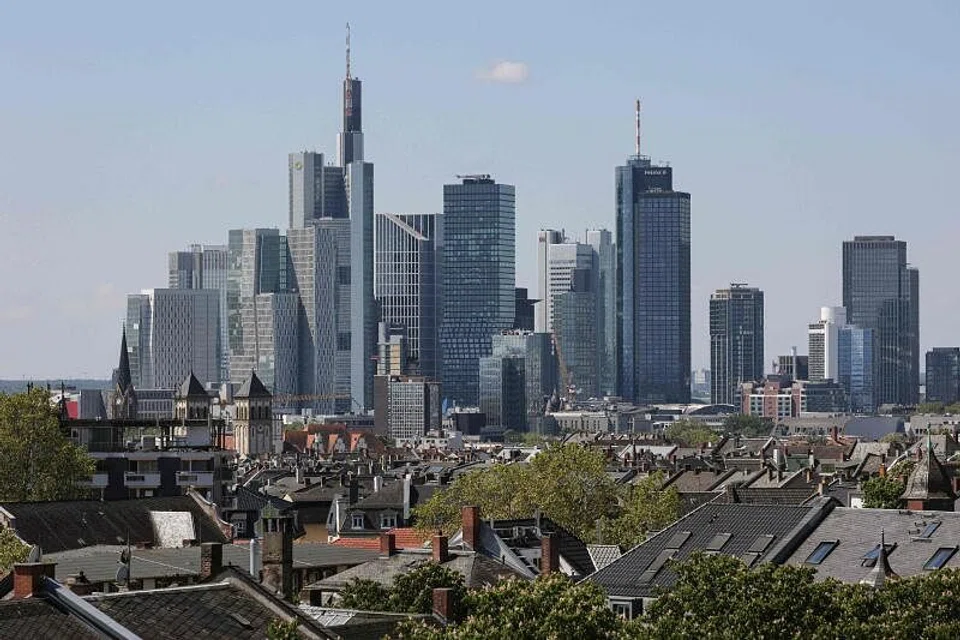
[FRANKFURT] German consumer prices accelerated at a faster-than-expected pace of 3.8 per cent in July, preliminary data showed on Thursday, breaching the 3 per cent mark for the first time since 2008.
The last time inflation in Europe's top economy ran higher was in December 1993 (4.3 per cent).
The federal statistics agency Destatis blamed the year-on-year inflation hike in July mainly on higher energy prices and the full base effect from a six-month sales tax cut in 2020 showing up in the data for the first time.
The cut in value-added tax (VAT) was introduced by Chancellor Angela Merkel's government to help mitigate the impact from the coronavirus shutdowns.
Analysts had expected a slightly smaller jump in the July figure but consumer prices worldwide have been rising steadily in recent months, fuelled by one-off effects linked to the pandemic.
The European Central Bank (ECB) recently raised its inflation target to 2 per cent, and said it would tolerate temporary over- or undershooting of the target before stepping in.

The Frankfurt institution believes the recent price surges are transitory, driven by post-lockdown demand and supply chain bottlenecks as the economic recovery from the pandemic gathers pace.
Nevertheless, soaring German inflation will fan debate about when the ECB should start removing some of its vast stimulus for the euro region.
Using the ECB's preferred yardstick, the Harmonised Index of Consumer Prices (HICP), German inflation jumped to 3.1 per cent year-on-year - also the highest level since 2008.
Many analysts expect inflation to climb higher still in the months ahead.
"Next stop: 4 per cent," wrote ING bank economist Carsten Brzeski.
The head of Germany's Bundesbank central bank, Jens Weidmann, recently said he saw consumer price growth heading towards 5 per cent before the end of the year.
Germany is traditionally wary of inflation for historical reasons. Extreme hyper-inflation in the early 1920s devastated the economy and fuelled political instability in the fledgling Weimar Republic which preceded Nazi rule.
Germany has been among the loudest critics of the ECB's ultra-loose monetary policy.
In the United States, where inflation has risen well above the 2 per cent goal, Federal Reserve chair Jerome Powell on Wednesday said inflation could "turn out to be higher and more persistent than we expect".
AFP
Decoding Asia newsletter: your guide to navigating Asia in a new global order. Sign up here to get Decoding Asia newsletter. Delivered to your inbox. Free.
Share with us your feedback on BT's products and services






