

Germany seeks power price cut in 30 billion euro aid to industry
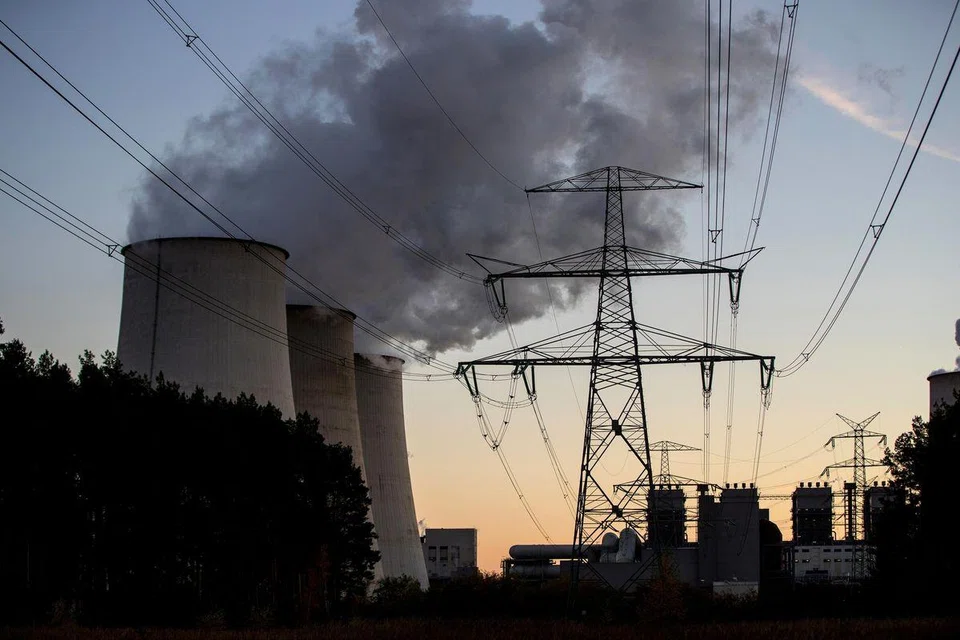
GERMANY is weighing a reduced power price of 6 US cents per kilowatt-hour for certain energy-intensive industries to ease the burden on them after last year’s crisis shook the manufacturing-heavy economy.
The measure will cost between 25 billion euros to 30 billion euros (S$43.8 billion) and last until 2030, according to a working paper released by the Economy Ministry on Friday (May 5). It argued the measure is needed to preserve the competitiveness and existence of certain sectors, with power prices still about double pre-crisis levels.
Europe’s industry has been slow to recover from last year’s energy crunch, even after costs plunged from the historic highs reached over the summer. German power prices for next year – a benchmark for Europe – are currently more than twice as high as the proposed cap.
Companies qualifying for the subsidy would be reimbursed for electricity costs above 6 US cents per kilowatt-hour. By comparison, small and medium-sized firms in Germany currently pay around 27 US cents per kilowatt-hour, according to recent data from energy lobby group BDEW. Large energy-intensive companies typically don’t publish their exact pricing systems.
Shares in German chemical manufacturers in particular took a big leg up on the news, boosting the Stoxx 600 Chemicals subindex by more than 1 per cent in less than 15 minutes.
“This is an important signal for our industry,” said Wolfgang Grosse Entrup, head of the German Chemical Industry Association. “The industrial electricity price helps us to secure production and industrial value creation and to master the transformation to climate neutrality even better. All of Germany and Europe will benefit from this.”

The Economy Ministry suggested financing the tool with an off-budget fund initially created to help companies during the pandemic, which was later repurposed during the energy crisis.
Finance Minister Christian Lindner has strictly opposed such a step and wants to use the country’s climate and transformation fund instead, which is already in deficit. That suggests the proposal may still face political pushback.
Last year, Germany’s government introduced temporary subsidies on gas and power, but they will be phased out by April 2024 at the latest. BLOOMBERG
Decoding Asia newsletter: your guide to navigating Asia in a new global order. Sign up here to get Decoding Asia newsletter. Delivered to your inbox. Free.
Share with us your feedback on BT's products and services
TRENDING NOW

KKR founders among investors buying 42% of Peter Lim’s Valencia; club valued at US$1.4 billion

Singapore’s central gas buyer affirms Indonesia’s role as ‘important partner’ amid export review warning

Why the biggest business decision about AI isn’t which model to choose

NEA issues notices to 10 Singapore-based companies, including Wilmar and APP, over haze

