
Germany’s ‘very generous’ pay deal may complicate ECB’s inflation fight
 Add BT as a preferred source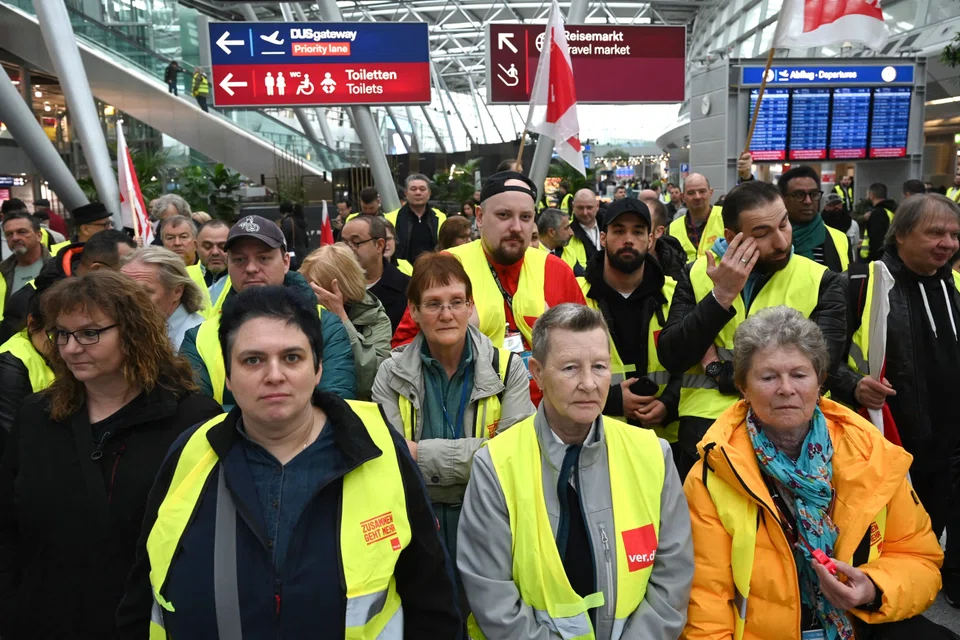
THE “very generous” pay rise secured by Germany’s public sector workers may complicate the European Central Bank’s (ECB) fight against inflation, analysts said on Monday (Apr 24).
The proposed deal will give 2.5 million employees in Europe’s largest economy a 5.5 per cent permanent increase next year, on top of a series of one-off payments over the next 12 months to help them deal with a surge in the cost of living.
That will set an important precedent for other pay talks, and could threaten the ECB’s forecast that wage growth will peak this year, which underpins its expectations for eurozone inflation to come back to the central bank’s 2 per cent target by 2025.
“The permanent increase next year may raise some eyebrows at the ECB because wages were supposed to peak this year,” Natixis economist Dirk Schumacher said.
Gilles Moec, chief economist at French insurer Axa, called the proposed deal “very generous” and Mark Cus Babic, an economist at Barclays, said that it “could significantly increase aggregate wage growth”.
The ECB projects that wage growth across the 20 countries that use the euro currency will average 5.3 per cent this year, before declining to 4.4 per cent next year and 3.6 per cent in 2025.
Navigate Asia in
a new global order
Get the insights delivered to your inbox.
But the ECB’s account of its March meeting shows that this forecast was challenged by some policymakers as too benign when it was presented to them last month.
Holger Schmieding, chief economist at Berenberg, said that the German deal gave policy hawks at the ECB “another argument to raise key rates at least twice more, and at least not to rule out a new 50-basis-point move on May 4“.
The ECB is widely expected to raise rates by a quarter of a percentage point next week, slowing the pace of tightening due to lingering uncertainty about the financial sector and lagged effects from past increases in borrowing costs.
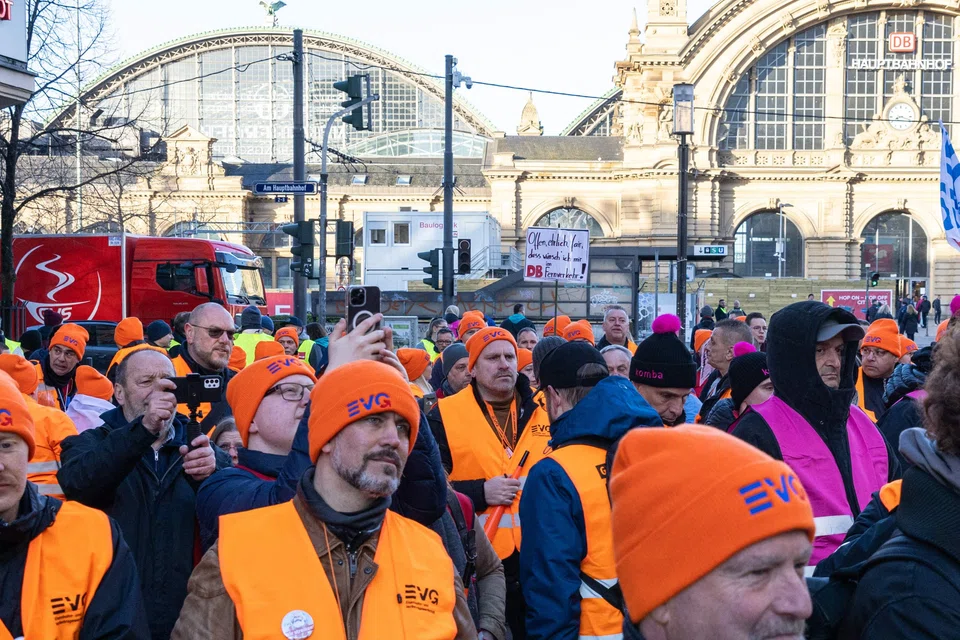
Other economists noted that the German public sector pay agreement followed a period of falling real wages, when prices grew faster than salaries.
“Doves may argue that the deal comes after a period of wage restraint, and is reasonably front-loaded,” Christian Schulz, an economist at Citi, said.
Marcel Fratzscher, a former ECB economist who has since founded the DIW think tank, estimated that the deal will leave public sector workers nursing a 6 per cent drop in purchasing power by the end of next year, assuming 6 per cent inflation in 2023 and 3 per cent in 2024.
“This means that it will probably take at least another five years for public sector wages to recover this loss of purchasing power and for employees to have the standard of living they had in 2021,” Fratzscher said. REUTERS
Decoding Asia newsletter: your guide to navigating Asia in a new global order. Sign up here to get Decoding Asia newsletter. Delivered to your inbox. Free.
Copyright SPH Media. All rights reserved.

