

GIC sees 'good chance' of growing Asia exposure
Its 32 per cent Asia exposure is on par with its US exposure
Singapore
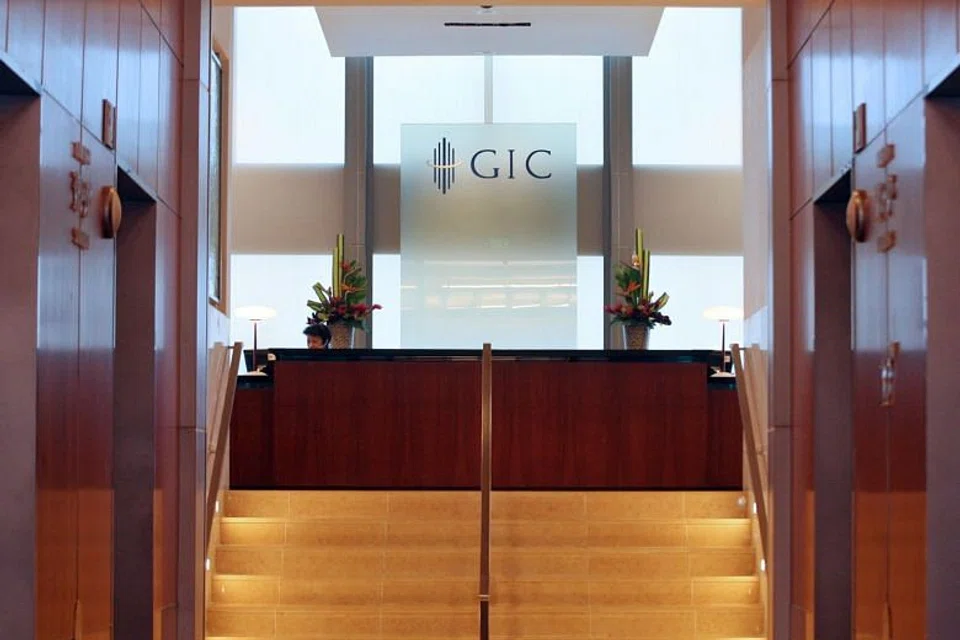
GIC is already positioned as a significant Asian investor, and sees itself naturally growing its exposure to the region amid Asia's rising stature.
In its latest annual report, the Singapore sovereign wealth fund showed a 32 per cent exposure to Asia, going by the geographical distribution of its portfolio as at March 31, 2019. This included 12 per cent out of Japan, and the rest from other markets in the region - with the overall Asia exposure more than most global institutional investors today.
The 32 per cent exposure was also on par with GIC's US exposure.
As an early investor into Asia, GIC previously gained exposure to Asia mainly through multi-nationals, with the investor stating in its annual report that in the earlier years, these were good vehicles to use, because of their better governance and liquidity.
But with the rising number of strong, unique businesses established by domestic Asian firms, GIC has increasingly felt the need to gain direct exposures, it said.
GIC's chief executive officer Lim Chow Kiat said at a media briefing that there is "a really good" chance that Asia would take up more of the investor's exposure, if the region continues to grow strongly.
But Mr Lim pointed out that high economic growth does not necessarily translate to good investment opportunities, especially if assets are being sold at high valuations. GIC also pointed out in its annual report that one challenge in Asia remains structural reform, where a deeper liberalising of trade and market access are critical to improving productivity and unlocking Asia's growth potential.
GIC's group chief investment officer Jeffrey Jaensubhakij gave the example of China, which offers the second-largest market capitalisation in the world, but was only made more open to institutional investors in the last three to four years. China A-shares has been increasingly added to MSCI's emerging market benchmark index since July 2018.
Dr Jaensubhakij added that with the trade tensions between the US and China, more countries in Asia are moving to ink bilateral and regional trade agreements, which should spur growth over the medium term.
GIC also noted that financial integration within Asia has notably increased, but is still lower than trade integration. About 60 per cent of Asia's exports and imports go to, or originate from, the region, but only 20 per cent to 30 per cent of cross-border portfolio investment and bank claims are intra-regional. This leaves "plenty of capacity" for growth in cross-country investment flows.
GIC pointed as well to the infrastructure investment gap in Asia, which is estimated at about US$3.9 trillion or 10 per cent of projected GDP for the 15-year period to 2030. A key focal point in the years ahead remains China's Belt and Road Initiative, which is due to involve more than US$1 trillion worth of infrastructure spending projected up to 2027.
READ MORE:
TRENDING NOW

‘We don’t want to stay as we are’: CEO Patrick Ng builds a more resilient Huationg
URA to review guidelines on floor space to give developers more design flexibility: Chee Hong Tat

He built the Vingroup empire. Now South-east Asia’s richest man is handing some key roles to his sons
32 companies, 6 individuals bag accolades at Singapore Corporate Awards 2026

