

Glencore to buy US$115 million of cobalt from industry veteran Weisfisch
Sources expect the miner to sell the material to the US under Project Vault, an initiative to stockpile critical minerals
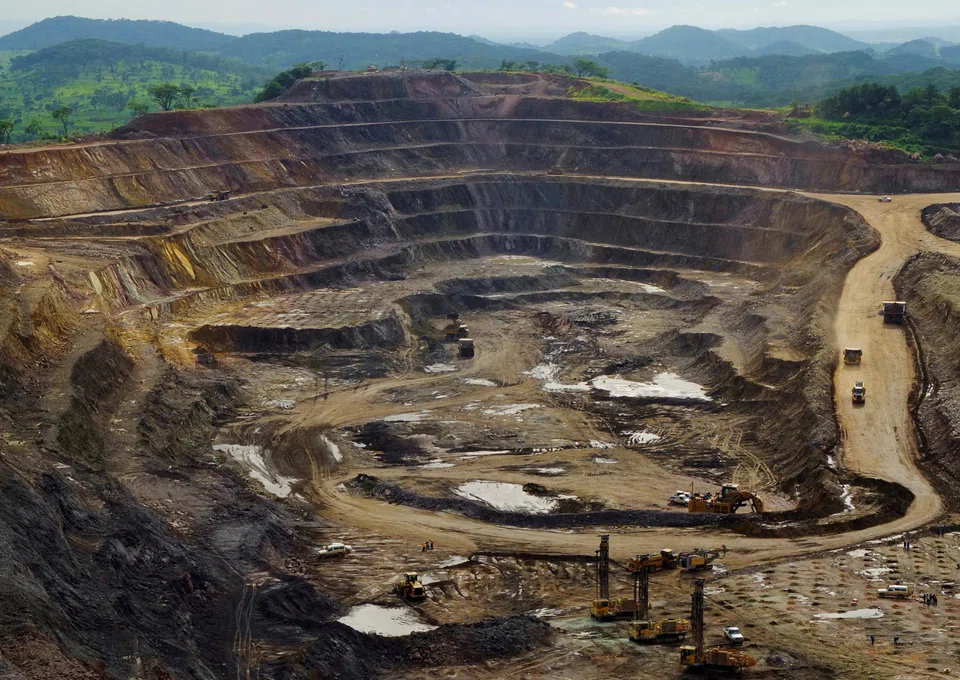
[LONDON] Glencore has agreed to buy nearly 2,000 tonnes of cobalt from industry veteran Rami Weisfisch in a landmark deal, two sources said. The material is worth almost US$115 million at current prices.
Cobalt, which is vital for defence and military equipment, is expected to be shipped to the US for inclusion in its planned stockpile, the sources added.
US President Donald Trump’s administration is actively seeking to secure critical materials, including cobalt, to reduce its reliance on China. The Chinese nation is the dominant global supplier and processor of the metals and minerals needed for strategic industries. It has leveraged its control to ban exports of critical minerals, and introduce quotas and new regulations.
The sources said that London-listed miner Glencore agreed at the end of 2025 to buy the cobalt from Weisfisch in 2026, using a formula tied to prices assessed by price reporting agency Fastmarkets.
Both declined to comment.
Cobalt acquired by Weisfisch in 2015
The deal marks the end of Weisfisch’s half-a-century involvement in the cobalt market, the sources added. The cobalt he acquired in 2015 is currently stored in Europe and the US.
The sources expect Glencore to sell the cobalt to the US under Project Vault, an initiative to stockpile critical minerals.
The project is backed by US$10 billion in seed funding from the US Export-Import Bank, and US$2 billion in private funding.
Glencore chief executive officer Gary Nagle said at a briefing on Feb 18 that the company would participate in the project.

The agreement between Weisfisch and and the mining company came after the US Defense Logistics Agency (DLA) cancelled a tender to purchase cobalt in October 2025.
The tender was originally announced on Aug 19, and went through several amendments before it was withdrawn.
The DLA said in 2025 that it still intended to purchase cobalt for the National Defense Stockpile, but that it was reassessing its strategy and had no target date for reissuing the tender.
It was initially looking for offers from only three companies – Vale’s Port Colborne and Long Harbour plants in Canada, Japan’s Sumitomo Metal Mining and Glencore’s Nikkelverk operation in Norway.
Congo quotas
Expectations of stronger cobalt demand, combined with tight supplies created by top producer Democratic Republic of Congo, have propelled prices higher.
The Congo suspended exports between end-February and mid-October 2025, and imposed quotas at the end of that period.
At US$57.33 a kg or US$57,320 a tonne, the prices are 160 per cent above levels seen in February 2025.
Congo’s cobalt is a by-product of copper production, and comes in the form of hydroxide, which is easily turned into cobalt sulphate. The compound is used to make lithium-ion batteries for electric vehicles and mobile devices.
China is the world’s biggest cobalt processor. It has been hit hardest by Congo’s export ban and quotas, and consumers in the Chinese nation have been scrambling to secure supplies. REUTERS
Decoding Asia newsletter: your guide to navigating Asia in a new global order. Sign up here to get Decoding Asia newsletter. Delivered to your inbox. Free.
Share with us your feedback on BT's products and services
TRENDING NOW

Once staunchly pro-China, Malaysian Chinese businesses are now distancing themselves from Beijing

Looking beyond looming CEO succession, should UOB potentially pursue a transformative merger?

Could stablecoins be the future of money?

Grab CEO’s wife Chloe Tong on life with Anthony Tan and finding her purpose

