Alternative sub-sectors present diversification opportunities in Europe's industrial and logistics markets
 Add BT as a preferred source
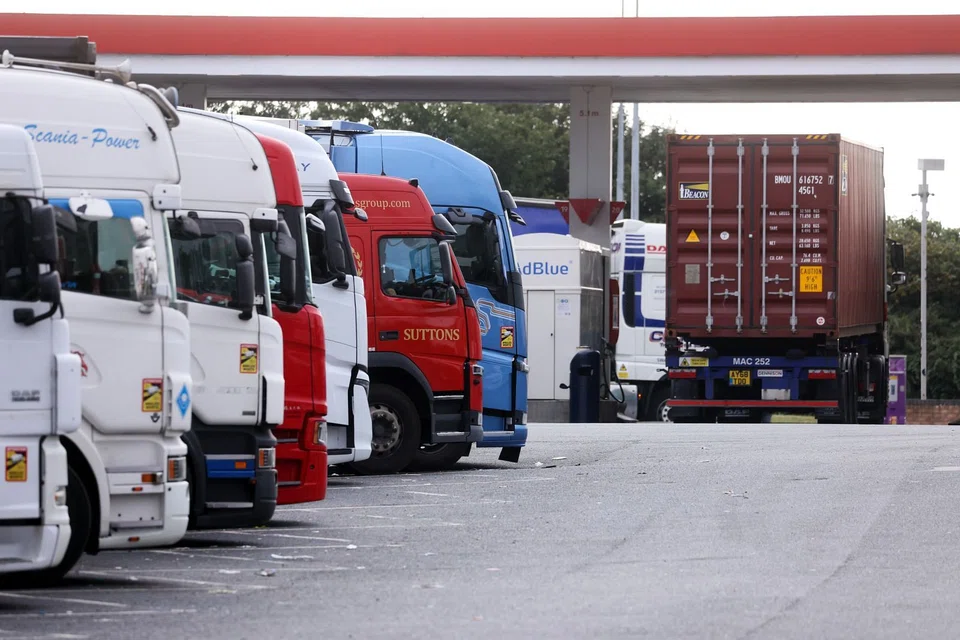
URBAN last mile logistics, light industrial estates and cold storage sub-sectors in European markets now offer investors diversification opportunities as prime net initial yields for big box logistics assets are driven to historically low levels, said Savills Investment Management (Savills IM) in a report on Tuesday.
Demand for additional logistics space totalled more than 10 million square metres (sq m) in Europe in 2020 alone, and another 21 million sq m could be added by 2025, according to analysis by Savills IM.
But the investment manager "urges caution" given that surging demand has forced yields down for big box assets. Prime net initial yields are currently at historically low levels of 3.5 to 4 per cent, and sometimes even lower in core European markets.
"Aside from the big box sector, emerging sub-sectors offer higher yielding alternatives, and provide yield-enhancing and risk diversification for investors willing to take higher risks and engaging earlier in the product-cycle,"said Andreas Trumpp, head of research, Europe, Savills IM.
The cold storage sub-sector in particular has the potential to become a strong long-term opportunity underpinned by solid fundamentals and steady inter-cyclical demand, Savills IM said.
Even as traditional grocery retail stores ramp up their online activities, new online grocery platforms have emerged. The European cold chain logistics market was worth US$75 billion in 2019 and is estimated to reach US$113 billion by 2025, indicating growth of more than 8 per cent per annum. The most attractive facilities are located close to large European metropolitan areas, it said.
In terms of urban and last mile logistics, Savills IM said it expects rental and land-value growth to be strongest in urban and city fringe locations due to an increasing scarcity of land and strong occupier demand for last mile facilities that are close to end-consumers.
The estimated rental premium of urban industrial rents versus those of standard prime assets was 45 per cent in 2020. But accessing assets in urban settings - which possess the ESG characteristics that investors and occupiers are demanding - is challenging. As such, a "build it rather than buy it" approach may be required - which presents its own difficulties, said the investment manager.
"Industrial and logistics is considered among the most exposed real estate sectors for environmental, social and governance (ESG) credentials. We argue that, by prioritising ESG, institutional investors also have the potential to improve the underlying asset fundamentals and leap on significant commercial benefits," said Mr Trumpp.
Savills IM also noted that the light industrial estates sub-sector has potential in existing assets and redevelopment opportunities, despite the greater complexity and downside risks involved. Areas with demand-supply imbalances provide scope for rental growth, but location and stock selection are important, it added.
Alistair Ennever, head of logistics, Europe, Savills IM, commented: "Secular economic, technological, consumer and demographic trends are bolstering the strong fundamentals that already exist in European industrial and logistics markets. The dynamic growth of e-commerce has been accelerated dramatically by the Covid-19 pandemic, boosting the success of the logistics market even further.
"For this reason, we continue to see value in buying and creating modern, flexible logistics and industrial facilities in the key hubs, though in a more selective manner. With yields at historically low levels, stock selection, rental growth and sustainability of income are now the most important factors for investors to consider."
Decoding Asia newsletter: your guide to navigating Asia in a new global order. Sign up here to get Decoding Asia newsletter. Delivered to your inbox. Free.
Copyright SPH Media. All rights reserved.