‘Are you on Xiaohongshu?’ More brands take to Chinese social media platform to woo mainland Chinese shoppers in Singapore
But mastering the platform requires different strategies; brands that engage in false or exaggerated advertising claims could be banned

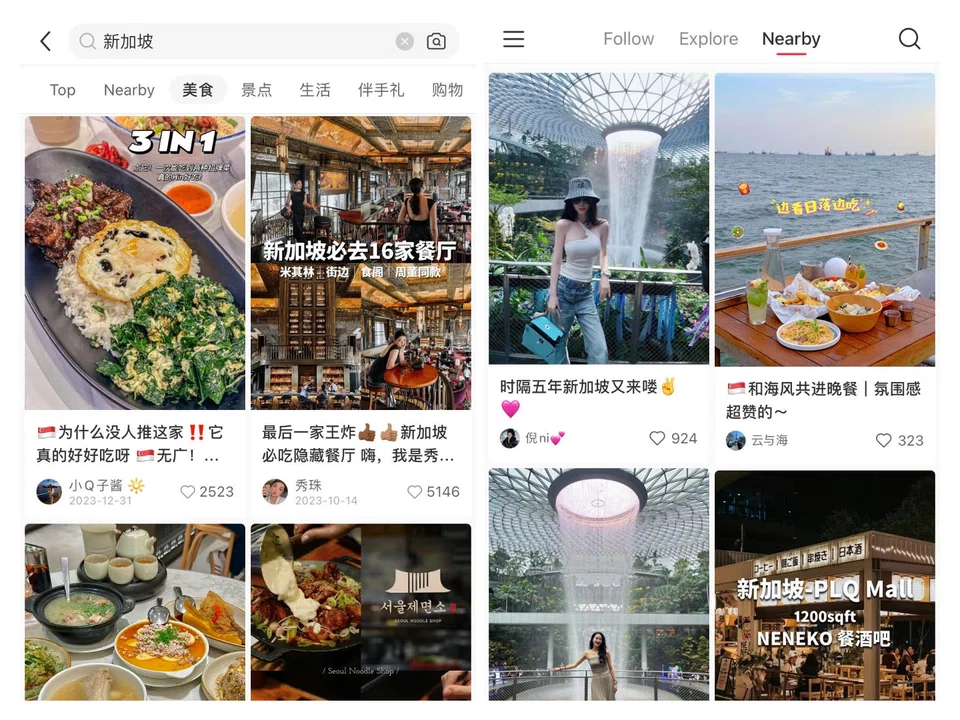
MORE Singapore retail brands are hopping onto Chinese social media platform Xiaohongshu to woo both mainland Chinese tourists and Chinese nationals based in the Republic. Some businesses work with digital marketing agencies to tailor content strategies to the app, or engage influencers on the platform.
Xiaohongshu – which translates to “little red book” – is among China’s fastest-growing social media and e-commerce apps, with over 300 million monthly active users. Founded in 2013, it has been compared to Instagram, with user-created fashion, beauty, lifestyle and travel content.
Retail players and observers told The Business Times that the platform is popular with the Chinese-speaking community in South-east Asia too, particularly Malaysian Chinese.
Over the past year, digital marketing agency Prizm Group has seen a 65 per cent increase in enquiries by Singapore brands about marketing on Xiaohongshu, said Wendy Toh, who heads Prizm’s account management team.
While some brands have experience with Chinese platforms such as WeChat or Weibo, they are now looking at Xiaohongshu “to enhance their brand image and stay relevant in the market”, she added. “As Chinese tourists return to Singapore, brands are increasingly focusing on this audience and recognising Xiaohongshu as a trending platform among both Chinese tourists, as well as Chinese Singaporeans.”
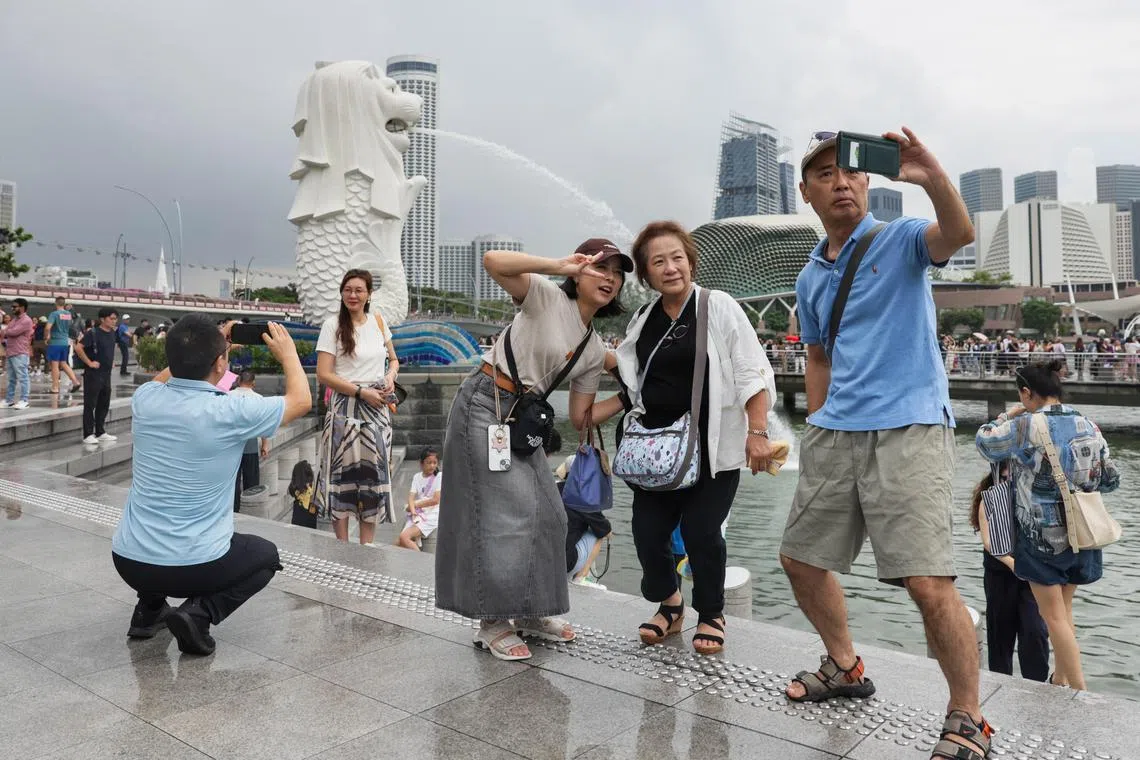
China was the top source of visitors to Singapore in the second quarter of 2024, with 660,426 visitors. It was also the top market for tourism receipts for the Republic during the same period – contributing S$965 million – though this excludes expenditure on sightseeing, entertainment and gaming. The Xiaohongshu push is part of larger efforts to woo China spenders.
NUS Business School associate professor of marketing Li Xiuping has observed more stores in Singapore accepting WeChat or Alipay as payment methods, as well as new brands exclusively selling products imported from China. “These trends show how Singapore’s retail market is adapting to Chinese consumer preferences through localised payment options, familiar products and interactive sales channels such as livestreaming.”
Banking on Chinese spending
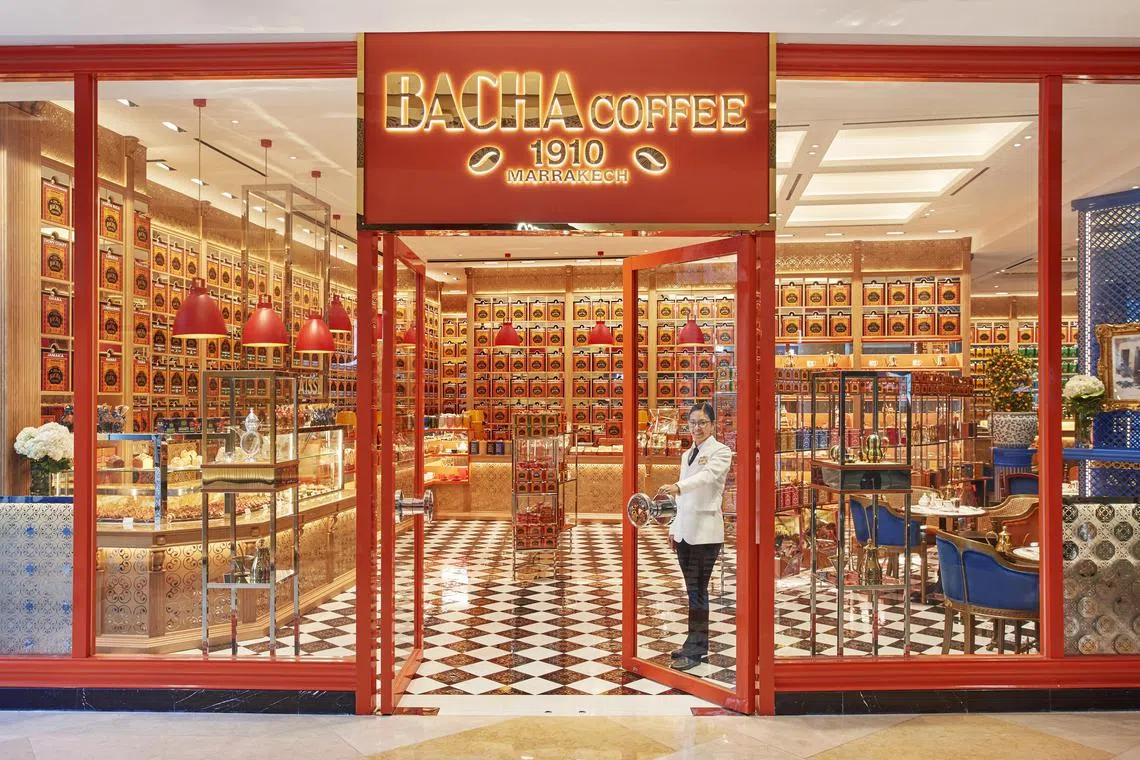
Singapore brands that have got on Xiaohongshu range from luxury tea and coffee brands TWG Tea and Bacha Coffee, to hotels such as Marina Bay Sands, to smaller outfits.
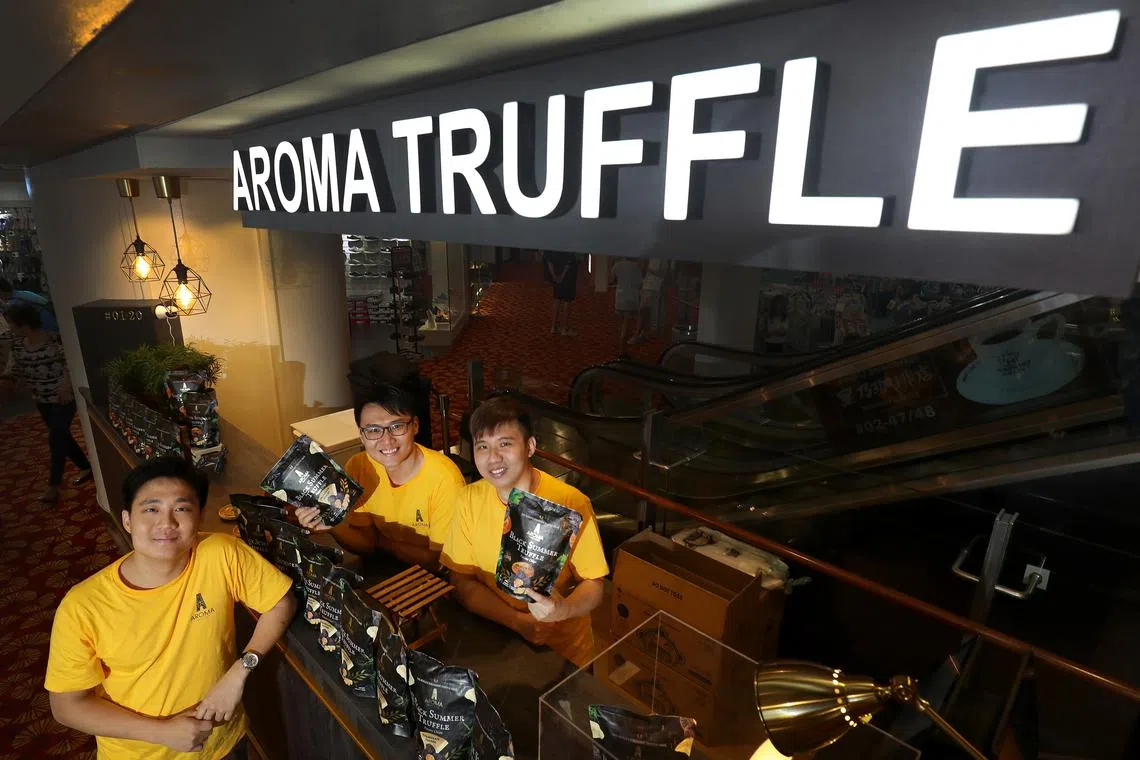
Premium truffle snacks brand Aroma Truffle has seen a 50 per cent spike in Chinese tourists visiting its stores in Singapore, since setting up its Xiaohongshu account in June. The brand has stores in Singapore, Malaysia and Japan. Its products are also sold on online marketplaces such as China’s Tmall.

Co-founder Kayson Chan noted that the platform’s algorithm feeds geotagged content to users – meaning that Aroma Truffle’s posts are more likely to show up for Chinese tourists that have arrived in Singapore.
Through Xiaohongshu, he also hopes to reach out to the increasing number of Chinese immigrants in the Republic. “It’s very important for your brand to gain credibility from the local Chinese first, so they can later help advocate your products to their friends and family in China.”
Japanese lifestyle store Atomi has similarly gained from setting up a Xiaohongshu account in end-2023. Chinese tourists now contribute about 5 to 8 per cent of overall sales, up from nearly none before, said owner Andrew Tan.
Local influencers have also got on the bandwagon.
Over the past year, food and travel influencer Nicholas Tan – who goes by the handle @stormscape – has seen a 20 per cent rise in requests from Singapore food and beverage brands and shopping malls for sponsored posts on his Xiaohongshu account.
“A lot of (clients) request for a package: for a sponsored post on both my Instagram and Xiaohongshu accounts,” he said. While Instagram remains Tan’s primary channel, he set up a Xiaohongshu account in end-2022. Today, about half of Tan’s 14,900 Xiaohongshu followers are users in mainland China, mostly from Tier 1 cities such as Shanghai, Beijing, Guangzhou and Shenzhen.
As China’s economic slowdown pushes consumers to be pickier about spending, expanding one’s brand presence via Xiaohongshu is even more critical today, said retail players.
Winnie Wang, co-founder of second-hand vintage luxury retailer The Nee Vintage Store, has observed Chinese customers becoming “more cautious” in their spending at her boutique. She set up her brand’s Xiaohongshu account in 2020. “Given the current economic environment in China, our strategy is to continue to maintain our daily operations and create content on Chinese social media platforms… to attract more targeted audiences,” she said.
While Aroma Truffle’s sales from Chinese tourists have grown 20 to 30 per cent since June, per-order value has not risen, said Chan. “Buying sentiment (from the Chinese) is still low. So now is the time to strategise and innovate, as well as to see how our products can reach a wider market audience.”
Cracking the Xiaohongshu algorithm
Yet mastering the platform requires different strategies.
Xiaohongshu’s regulations differ markedly from counterparts such as Meta’s Facebook and Instagram, or TikTok. Brands are not supposed to engage in false or exaggerated advertising claims, nor put up tracking mechanisms such as promo codes, QR codes or external links on their posts, said Prizm’s Toh.
Added Nicholas Tan: “There are a lot of advertising words in Chinese you cannot use, such as ‘most’, or stating that your product is ‘the best’, ‘the strongest’.” Doing so would violate Xiaohongshu’s rules and could cause brands to be “shadowbanned” – limiting their visibility – or their posts to be taken down.
Said Toh: “It’s crucial for brand owners to recognise the platform’s nuances and avoid treating it as just ‘another app’. Applying the same content or strategy as other platforms may not deliver the desired results on Xiaohongshu.”
In the early days, Chan consulted social media agencies to put together a Xiaohongshu content strategy for Aroma Truffle. Atomi’s Andrew Tan continues to enlist the help of Singapore-based Chinese interns – mostly university students – to develop Xiaohongshu content.
In addition, the platform’s model is rooted in user-generated content, with a focus on product reviews and tips. Therefore, engaging influencers rather than using hard-selling tactics – such as boosting posts – would be more effective, said Prof Li.
Both Chan and Atomi’s Tan have invited Singapore-based influencers from China to try their products, hoping they will then post about their brands.
To further appeal to Chinese tourists, local brands need to make it onto “must-try or must-buy” lists of key opinion leaders on Xiaohongshu, who create recommended travel itineraries, said Prof Li. This would mean retailing items unique to Singapore that are not easily found on online Chinese marketplaces, she said. Brands can also consider beefing up their in-store retail environments.
“The ambience of the physical store should be visually appealing and ‘brag-worthy’ to encourage sharing on social media,” she said.
Decoding Asia newsletter: your guide to navigating Asia in a new global order. Sign up here to get Decoding Asia newsletter. Delivered to your inbox. Free.
Copyright SPH Media. All rights reserved.