



Asean and Africa: Building stronger communities through trade and investment
THE scale of the challenges facing the global economy means that 2023 is proving to be yet another uncertain year. Yet, there are positive prospects for global trade, a vital component of economic growth and driver of development.
Our research into high-growth trade corridors shows there are long-term opportunities in Asean and Africa for companies that are prepared to seize them. Whether firms are looking East from Africa or West from Asean, these markets on opposite shores of the Indian Ocean have much to offer.
By 2030, we forecast that trade expansion between Asean and Africa stands to outpace the average global annual growth rate. There are also some landmark examples of multilateral trade co-operation that will support trade growth.
One is the African Continental Free Trade Agreement (AfCFTA), the world’s largest free trade area measured by the number of countries participating. The 10-member Asean grouping, meanwhile, is part of the world’s largest trading bloc – the Regional Comprehensive Economic Partnership, which covers a third of global gross domestic product, trade and population.
Asean – a key gateway to Asia
Asean boasts numerous advantages for firms from Africa. For one, it is a gateway to the continent, with Singapore particularly well-positioned financially and logistically. In August, Singapore hosted the Africa Singapore Business Forum to discuss bilateral and multilateral growth opportunities.
At the same time, global trade is shifting towards Asia. Asean is set to lead, with intra-regional trade growth between its ten members predicted to reach nearly 9 per cent annually over the coming decade.
With Asean’s 660 million-strong population generating rising income levels and Africa’s growing consumer market backed by the AfCFTA, there is enormous business potential in areas like digitisation, innovation and sustainable investment.
Unsurprisingly, the market potential in Asean and the wider Asia region has not gone unnoticed by Africa-based businesses.

Aspen Pharmacare, a global specialty and branded multinational pharmaceutical company headquartered in South Africa, has a presence in both emerging and developed markets.
Getting established in new regions requires, among other things, a strong partner that can offer on-the-ground expertise and a range of financial solutions, including cash management services.
Africa – a growing market for Asean
For Asean firms looking west, two African nations in particular stand out. These are what we call Accelerators – fast-growing economies whose export sectors fuel economic growth.
The first is Kenya. Its focus on manufacturing and infrastructure development means it continues to grow its position as East Africa’s logistics hub. Annual export growth is projected to reach 9 per cent by 2030 due to improved manufacturing, a growing rate of digital literacy and international competitiveness among small and medium-sized enterprises, as well as climate-adapted agricultural practices.
Kenya’s potential has piqued the interest of companies from Singapore. The two nations have more than doubled bilateral trade since 2017, with Singaporean companies operating in sectors in Kenya including logistics, hospitality, port management and fintech.
The other Accelerator is Nigeria, where strategic diversification and improvements to infrastructure are among the reasons it is projected to have 9.5 per cent average annual export growth.
One Asean firm that has blazed a path in Africa is Singapore’s Tolaram – a diversified consumer goods to fintech to infrastructure conglomerate with operations across the continent, including in Nigeria, Ghana, Egypt and South Africa. Its approach is a model for other Asean firms interested in Africa as a market.
Building together, sustainably
Tolaram’s diversified business illustrates the breadth of opportunities for interregional trade, which are set to grow. In addition, there lies much potential for collaboration in the development of the net zero agenda.
In May, Singapore and Kenya signed three trade-related deals, including a sustainability agreement that will see the two nations cooperate on carbon credits to cut emissions and slow global warming.
This will enable Kenya to access the funds it needs to finance mitigation and adaptation measures to deal with climate change, and benefit firms with expertise in areas like infrastructure. Given Africa’s immense infrastructure needs, such agreements can bridge the gap and boost access to innovative financing solutions.
This drive towards attaining net-zero chimes well with Standard Chartered’s sustainability approach, underpinned by the bank’s US$300 billion commitment to support green and transition financing.
Though there is no one-size-fits-all solution in financing a just transition, the principle remains the same: to accelerate the reduction of carbon emissions through innovative financing solutions, and ensure projects are both sustainable and have a positive impact on communities and environments.
As the largest international bank supporting infrastructure projects in Africa, and a market leader in climate financing, Standard Chartered is well positioned to support capital inflows, ensuring clients gain from our international balance sheet and specialist knowledge derived from the complex financial products we provide across our network.
Joining hands for a brighter future
There are numerous other ways that countries like Singapore, Kenya, Nigeria and their neighbours can come together to promote trade. Areas where collaboration can make an impact include ensuring trade policies promote exports while nurturing infant industries, improving infrastructure to boost cross-border trade, and reducing the costs of cross-border payments.
Looking ahead, we see a bright future for Asean and Africa, and recognise the need to be adaptable, innovative and sustainable in our approach to trade has never been greater.
By availing the necessary funding to support strategic partnerships, we can help businesses transform, foster greater supply chain resilience and improve trade to ensure business owners and firms of all sizes can seize the abundant opportunities in Asean, Africa and beyond.
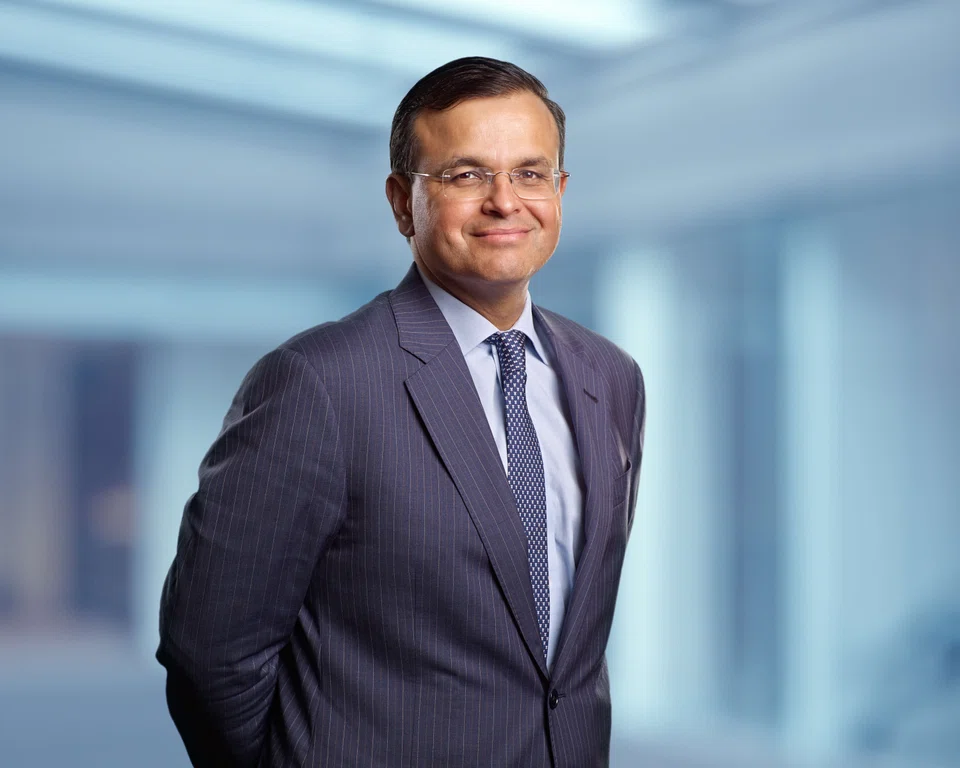
The author is the regional CEO of Standard Chartered Africa and Middle East.
Decoding Asia newsletter: your guide to navigating Asia in a new global order. Sign up here to get Decoding Asia newsletter. Delivered to your inbox. Free.
Share with us your feedback on BT's products and services
TRENDING NOW

Easy to rent out, hard to sell: Are buyers losing interest in Singapore’s one-bedroom condos?

GovTech retrenches another 38 staff in second round of layoffs

Stocks to watch: Seatrium, CapitaLand Investment, Keppel DC Reit, Suntec Reit, CLCT, TSH Resources

World’s largest offshore wind platform by Seatrium consortium on track to be completed by 2028

