Asia-Pacific airlines cut capacity due to delayed plane deliveries, poor parts quality
With orders going unfulfilled for everything from aircraft to entertainment systems, airlines are having to ground planes and cancel flights

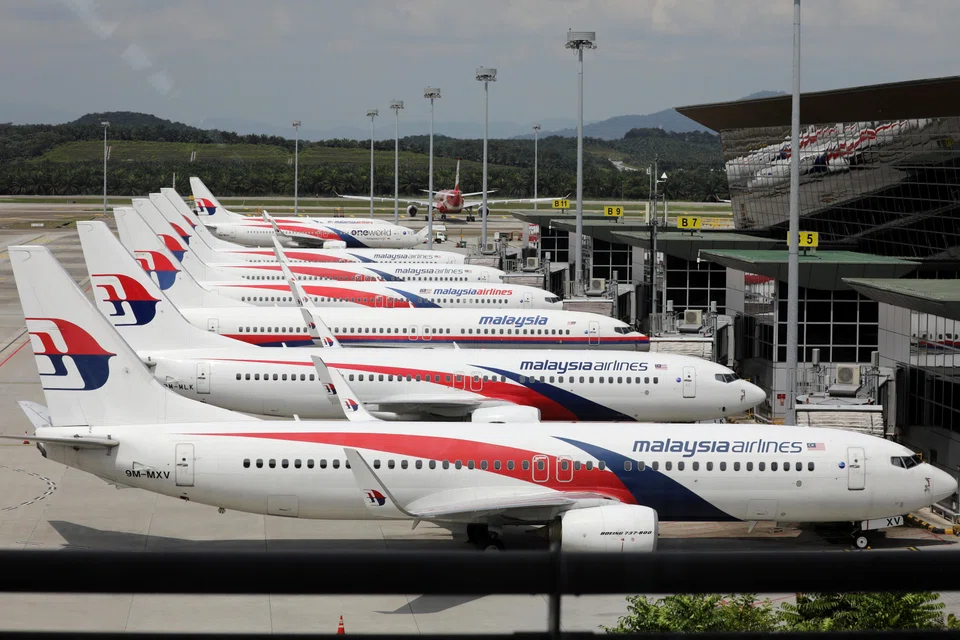
[BANDAR SERI BEGAWAN] Airlines in the Asia-Pacific region are grounding planes and cutting flights due to delayed deliveries or defective parts from suppliers, reducing the industry’s capacity.
The chief executive officers of Air Astana, Malaysia Airlines, Singapore Airlines and Thai Airways International raised this problem on Wednesday (Nov 13), during a panel at the annual assembly of the Association of Asia Pacific Airlines in Bandar Seri Begawan, Brunei.
The most high-profile example is Malaysia Airlines’ parent company, Malaysia Aviation Group, having to cut a fifth of its capacity in August because of delivery delays for both aircraft and parts.
Firstly, deliveries of entire planes are still being delayed, making it difficult for airlines to expand their fleets and add flights, said Subhas Menon, director-general of the Association of Asia Pacific Airlines.
Secondly, aircraft parts are being delivered late or defective.
“Everything is disrupted,” said Chai Eamsiri, CEO of Thai Airways International, in response to The Business Times’ question on which areas of the supply chain were affected.
Documents seen by BT showed that some purchase orders by Thai Airways for hundreds of aircraft parts, including seat parts and infotainment systems, went unfulfilled for more than 300 days.
The suppliers named by the CEOs include aircraft manufacturers Airbus and Boeing, as well as engine-makers GE Aerospace, CFM International, Rolls-Royce, and Pratt & Whitney.

The lack of engines, among others, is a problem affecting airlines around the world and not just those in the Asia-Pacific, said Izham Ismail, group managing director of Malaysia Aviation Group and CEO of Malaysia Airlines.
SEE ALSO
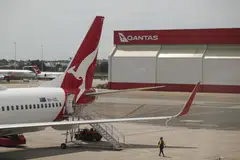
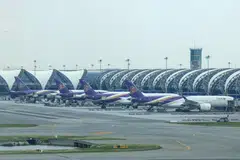

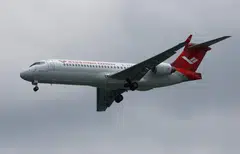
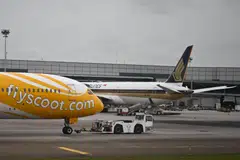
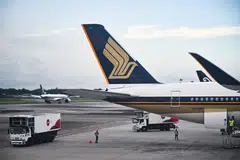
“You see Singapore Airlines, Malaysia Airlines… everywhere, you can see aircraft without engines. That’s the reality,” he said. “Most of our aircraft are sitting on the ground because there’s no engine.”
Some planes are grounded due to delayed engine maintenance and checks. Before Covid-19, a routine engine check by a supplier usually took 55 days. Today, it takes around 100 days.
Poor-quality parts are also causing more frequent failures. Now, some 60 per cent of all “rotables” – aircraft parts that are replaced regularly – that are put into group aircraft fail within two weeks.
Rotables should typically last at least a few months, said industry sources. Both low-quality parts and badly executed repairs contribute to the issue.
Under pressure
Industry observers noted that aviation suppliers have not recovered to their pre-Covid capacities due to shortages in manpower and raw materials, partly due to the conflict in Ukraine.
Anand Stanley, president of Airbus Asia-Pacific, said that the company’s own suppliers are facing difficulties with logistics, raw materials supply, labour, inflation and energy prices.
Airbus Asia-Pacific is monitoring them, helping to manage supply chain issues and providing access to financing where needed, he added.
Singapore Airlines CEO Goh Choon Phong said that a first step towards a solution could be to zero in on specific issues – low-quality repairs, for instance – and work with the relevant parties.
But in the meantime, demand for air transport has more than rebounded, putting airlines under pressure to deliver reliable – let alone expanded – flight schedules.
Peter Foster, CEO of Air Astana, described the supplier delays and defects as an “aberration”, adding: “(Suppliers) have to get their act together on this.”
He noted that airlines are often penalised for delays and cancellations, yet “this is not always done with a sufficiently rigorous analysis as to where the root cause of that fault has taken place”.
Decoding Asia newsletter: your guide to navigating Asia in a new global order. Sign up here to get Decoding Asia newsletter. Delivered to your inbox. Free.
Copyright SPH Media. All rights reserved.