



Asia-Pacific to lead global business-travel spending in 2026
Corporate trip spending from the region is forecast to be US$701 billion, slightly more than 40% of global expenditure
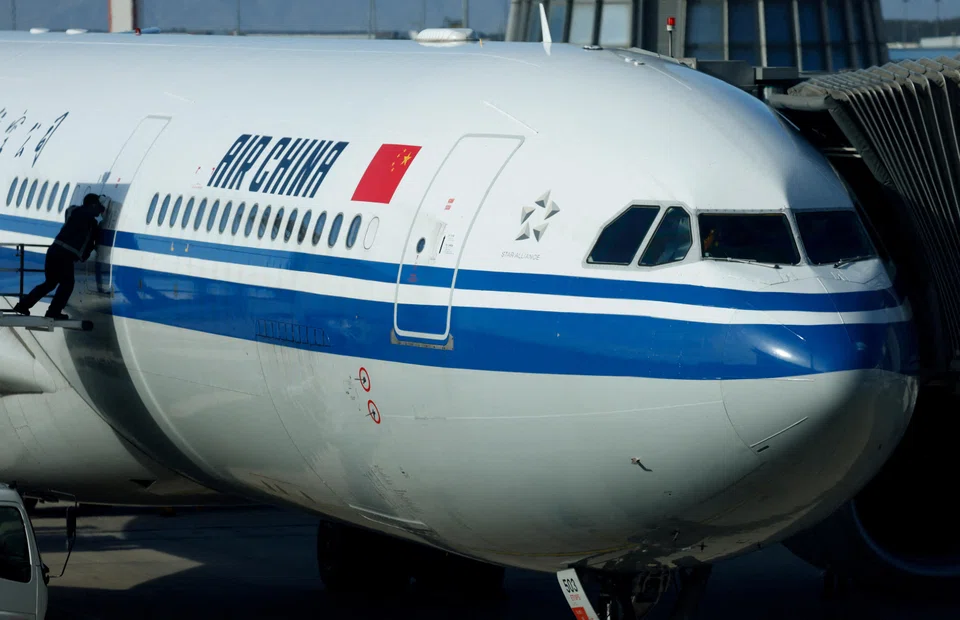
[HONG KONG] Asia-Pacific is set to be the world’s largest business-travel market in 2026, based on a new forecast, with the surge seen driven by the region’s expanding manufacturing and trade activity.
Spending on corporate trips from the region is expected to reach US$701 billion this year – slightly more than 40 per cent of global expenditure, said trade group Global Business Travel Association (GBTA).
That represents a 10.9 per cent year-over-year increase, driven largely by Japan, South Korea and India.
Europe is expected to be the second-largest, followed by North America, said GBTA.
“Manufacturing is the largest business-travelling sector,” said Suzanne Neufang, CEO of GBTA. Trade – whether with new partners, old ones or reacquainted partners – “is one of the key drivers for confidence in our sector”.
The data highlights a shifting global trade landscape, including efforts by countries such as China to diversify trading relationships amid rising costs and inflation. Despite this momentum, overall travel volumes have yet to recover to pre-Covid levels.
China’s domestic business-travel market remains strong, and travel between China and the US also stays robust, driven by continued demand from American consumers for Chinese-manufactured goods, she noted.
She added that China’s growing green-technology sector is expected to fuel further travel demand, as the country maintains a cost advantage over many competitors.
Still, rising travel costs, and evolving risk and safety considerations are weighing on sentiment.

Geopolitical instability has become the most significant external factor shaping business travel decisions for 2026, with travellers showing reduced confidence and companies facing greater operational complexity, said GBTA.
In the Middle East, daily life and flight operations in hubs such as Dubai and Qatar have largely stabilised. Yet, risk-averse corporate policies continue to limit employee travel, as rebuilding trust takes time, Neufang noted.
Insurance policies that typically exclude war-related coverage remain a hurdle for the region’s transport sector.
“When humans travel, we get along better,” she said. “So we should be doing some of that travel as a necessity.” BLOOMBERG
Decoding Asia newsletter: your guide to navigating Asia in a new global order. Sign up here to get Decoding Asia newsletter. Delivered to your inbox. Free.
Share with us your feedback on BT's products and services
TRENDING NOW

Once staunchly pro-China, Malaysian Chinese businesses are now distancing themselves from Beijing

New launch or resale unit? Here’s a guide for homebuyers
The lesser-known prospects in the Asian chipmaking supply chain

Cliff Tan has 7 million followers and a 4-month waitlist. Why won’t he expand his business?

