
Asia’s aviation recovery lags rest of world, but return to pre-Covid levels expected by 2024

Derryn Wong
ASIA’S passenger aviation recovery still lags the rest of the world because of the region’s delayed reopening from Covid; but industry observers said China and India are expected to drive a return to pre-pandemic levels by 2024.
The Asia-Pacific region saw a 125.6 per cent year-on-year rise in revenue-passenger kilometres (RPK) for the first half of 2023, according to International Air Transport Association figures.
This was the highest for any region. Yet, Asia-Pacific’s RPK also had the greatest gap versus pre-pandemic times: at 20.3 per cent below H1 2019 levels. Africa had the next biggest gap at 9.4 per cent, while North America had the smallest at 0.8 per cent.
The global RPK for H1 2023 is 9.7 per cent lower than for H1 2019. RPK is a measure of actual demand for air transport, derived by multiplying the number of paying passengers by kilometres flown.
Association of Asia-Pacific Airlines director-general Subhas Menon said Asia-Pacific’s recovery is lagging because the region reopened borders some six to 12 months after the rest of the world.
Asian carriers were therefore slower than their counterparts in ramping up operations and submitting orders for aircraft, and now have to wait in queue for deliveries, he added.
The delay’s effects have been exacerbated by supply chain disruptions and labour shortages.
Chen Chuanren, South-east Asia and China editor for aviation publication Air Transport World, said many airlines in Asia mothballed their fleets longer than carriers elsewhere. They now have trouble restoring full capacity, due to supply chain issues and parts delays.
AirAsia, for instance, has put only 170 of its 200-strong Airbus A320 fleet back in operation as at August. It expects to restore another 10 aircraft to operation by the end of September.
SEE ALSO

Travel research company FCM Consulting predicts that for the third quarter of 2023, Asian carriers’ domestic seat capacity will be up 6.9 per cent compared with Q3 2019; but their international seat capacity will be down by 22.5 per cent.
Globally, FCM is predicting a narrower gap – domestic seat capacity is expected to be up 4.1 per cent on average and international seat capacity will fall short by 7.5 per cent.
Knock-on effects
The pandemic has had consequences for Asia’s aviation labour supply.
Having laid off foreign crew during the pandemic, Menon said, Asian airlines are still “really struggling to get people”. It can take four to eight months to fill positions, due to the industry’s extensive training and safety measures.
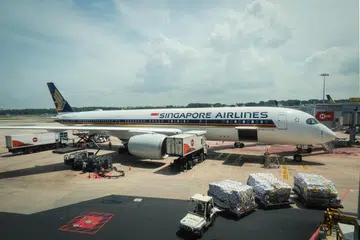
Singapore is an exception: It lost about a third of its aviation workers during Covid-19, but the workforce has recovered to around 95 per cent of pre-pandemic levels. Air Transport World’s Chen said Singapore Airlines was one of the “first off the blocks” and ensured its fleet and crew were ready before borders reopened fully.
Other parts of Asia have not been so lucky. The regional labour market remains tight, said Dennis Lau, consultancy services director at Asian Sky Group, a business and general aviation consultancy. This is because former aviation workers laid off during the pandemic are now employed in other sectors and do not intend to return to aviation, he added.
Aviation companies that are rehiring in Asia may also offer “lower salaries and fewer benefits” compared with before Covid. Some aviation workers – particularly flight crew – have moved to countries that offer better prospects, he said.
Hong Kong carrier Cathay Pacific, for instance, has had trouble attracting crew back to its cockpits. It faces a shortfall of 1,400 senior pilots, with pilot union representatives saying that salaries are still some 40 per cent lower than pre-Covid levels.
Hong Kong faces a wider shortage of aviation workers, especially ground support and support staff. At the start of 2023, its airport was operating with two-thirds as many workers as before the pandemic. In June, it announced the easing of entry rules to allow up to 6,300 additional aviation workers from abroad.
Twin engines
Still, observers said the recovery could gain momentum with demand from India and China.
Lau said the region’s recovery has been held back as China – the largest market in Asia – has continued to limit long-haul international flights. He expects China to “recover stronger and quicker” as its international travel regulations are relaxed further.
Menon said China’s domestic aviation has already “completely recovered”, although its international air traffic is only around a quarter of pre-pandemic levels.
Meanwhile, India’s international air traffic is at 8 per cent above 2019 levels and its domestic market has grown to become the third-largest in the world.
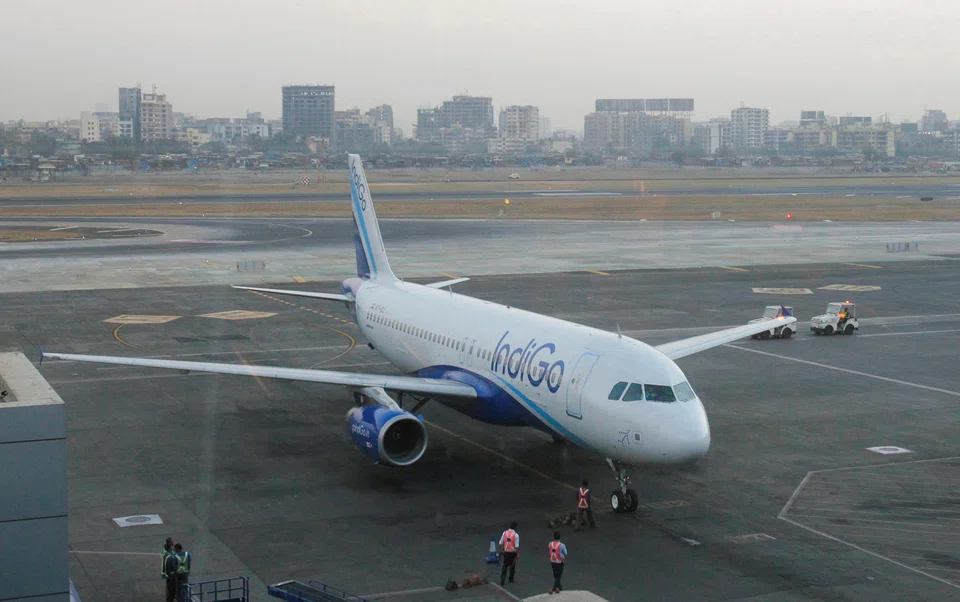
Reflecting the increased demand for passenger aviation, Indian airline Indigo placed a record order for 500 narrowbody aircraft from Airbus this June, while Air India placed an order for 470 aircraft around the same time.
Menon expects aviation in Asia-Pacific to recover “a few months after the rest of the world, maybe in the first half of 2024”. India and China have the potential to eclipse pre-Covid levels once the kinks are worked out.
He added: “I think if you look ahead, it’s all upside.”
Decoding Asia newsletter: your guide to navigating Asia in a new global order. Sign up here to get Decoding Asia newsletter. Delivered to your inbox. Free.
Copyright SPH Media. All rights reserved.