
Asia’s cities need better roadmaps, freer financing to meet climate targets
MANY governments around the world are rallying to avert a climate catastrophe. More than 140 countries have set net-zero targets, and around 100 more are considering adopting them. However, a factor that’s often overlooked in the race to net-zero is what’s happening in our cities.
The reality is many Asian cities, which are significant contributors to climate change, have set ambitious targets without clear action plans to curb emissions in the sectors they control. With the war in Ukraine pushing up energy prices and the pandemic impacting municipal revenues, financing these actions also requires more creative means of borrowing. Fortunately, Asia’s mayors have achievable solutions available to them.
We know that cities are the engines of the global economy, generating more than 80 per cent of the world’s gross domestic product. But they also account for over 60 per cent of its greenhouse gas emissions, use more than 75 per cent of its natural resources, and produce roughly half of its waste. These statistics underscore the urgency of creating greener cities to reach net zero targets.
While cities’ climate strategies and targets are less known than national goals, the list of signatories of the Race to Zero – the United Nations-backed campaign for non-state actors pledging to take action to halve global emissions by 2030 – reveals many cities with intent.
Of the 1,105 cities that have signed up to the campaign, 175 are in Asia. In emerging markets, they are led by India with 76 and South-east Asia with 14. Jakarta, Kuala Lumpur, Mumbai, and Quezon City have gone the extra mile, developing and publishing evidence-based action plans that are compatible with the Paris Agreement.
As mayors from around the world gather in Singapore this week for the World Cities Summit to discuss ways to make their cities more resilient and sustainable, the urgency of the task at hand for Asia’s municipal leaders should not be underestimated.
Asia’s cities are responsible for more greenhouse gas emissions than cities in other regions, and they will contribute to over half the rise in global emissions by 2035 if no action is taken. More worrying still is that most don’t have action plans in place to make sectors within their control more sustainable to meet their climate targets. Those sectors include public transportation, waste, water, and real estate. Knowing how each sector can take action to contribute to climate targets is critical.
So how can cities develop clear action plans? First, they must calculate their baseline to determine their existing greenhouse gas emissions. Only then can they identify priority sectors, set key performance indicators, identify and prioritise impactful projects, and choose the right financing options to fund them.
The International Finance Corporation is currently piloting a data-driven, cloud-based tool in several Asian cities including Ahmedabad, Ho Chi Minh City, and Quezon called APEX, an investment-planning app that helps cities identify potential infrastructure and real estate projects that would be suitable for green financing; develop climate-action plans; and assess and track their performance based on their climate targets.
Take Quezon as an example. The Philippines’ largest city emits roughly 8 metric tons of carbon dioxide a year, primarily from residential and commercial buildings, transport, and waste. Using APEX, we’re working closely with Quezon to identify carbon mitigation-related investment opportunities and policy interventions within its climate-action plan. The APEX team has identified the most cost-effective solutions to meet the city’s green targets, while creating a green investment pipeline and preparing a green action plan to estimate investment volumes, project phasing, and financing options.
However, financing these opportunities requires cities to go beyond traditional means of financing, as most are restricted to borrowing from central governments. Less than 20 per cent of the largest 500 cities in emerging markets have local borrowing capacity. Many are prohibited from signing long-term contracts with the private sector beyond mayors’ political terms.
Clearly some capital expenditures and operating expenses are best financed by the public sector, but investments aimed at improving efficiency, performance standards, and service delivery often require private-sector expertise to better serve urban constituencies.
Granting cities more fiscal autonomy to borrow prudently and responsibly is required to finance sustainable urban infrastructure projects, especially in the current environment. Cities have been bearing the brunt of the pandemic which, for some, has resulted in an up to 25 per cent estimated reduction in municipal revenues. The energy that fuels public transport, schools, and hospitals is now also more expensive because of the war in Ukraine.
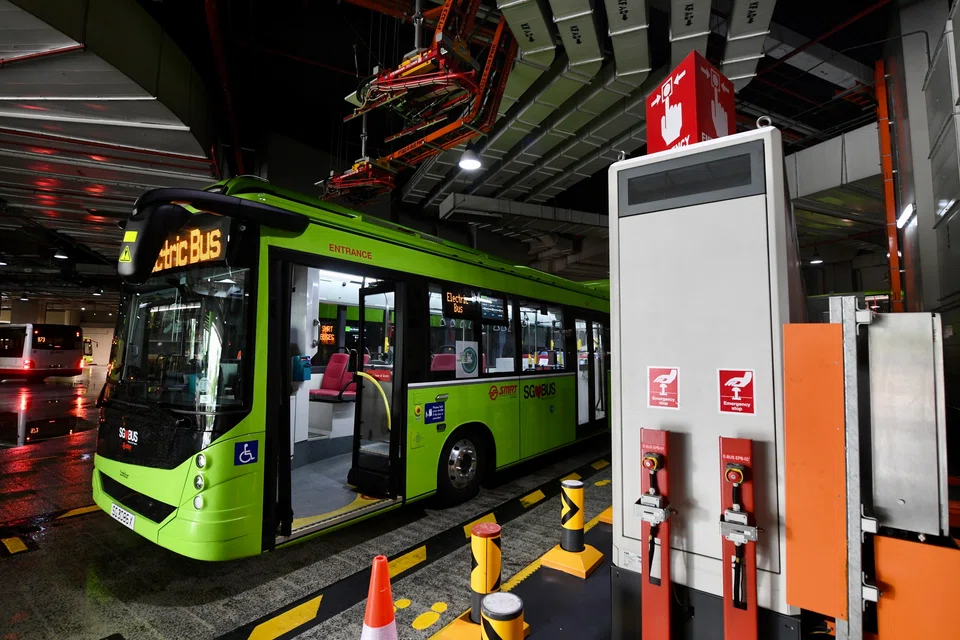
The upfront cost of electrifying buses, solar-powering schools, and green retrofitting municipal buildings, all of which is clearly desirable, may be unaffordable for many subnational governments given their current fiscal constraints.
Giving cities fiscal autonomy, within a prudent borrowing framework, will open doors to more commercial financing, including access to green and sustainability-linked bonds and public-private partnerships (PPPs). We’ve seen it work in India. In Kolkata, a PPP with an innovative hybrid annuity model awarded to VA Tech Wabag, a company that builds clean-water infrastructure, will help build sewage-treatment plants that could reduce untreated sewage flowing from the city into the Ganges River by 15 per cent.
Creating an enabling environment for responsible commercial finance will be key to cities meeting their climate targets and other priorities. Blended finance, where small amounts of donor funds are combined with financing on commercial terms to mitigate risks and rebalance the risk-reward profiles of investments, will be crucial to selectively help in creating more bankable projects. Property-linked finance, which allows cities to pay for green upgrades to public and private buildings and recoup the costs through property-tax adjustments, is also gaining traction. All these strategies can complement public funds to increase investment.
All this amounts to a huge investment opportunity. We estimate cities in emerging markets in Asia alone have the potential to attract around US$20 trillion in climate-related investments to 2030 in green buildings, public transportation, electric vehicles, waste, water, and renewable energy.
With the right action plans and the full suite of financing options available to them, those net-zero targets could be well within reach for Asia’s mayors.
The writer is the International Finance Corporation’s regional industry director, infrastructure and natural resources, Asia Pacific.
Decoding Asia newsletter: your guide to navigating Asia in a new global order. Sign up here to get Decoding Asia newsletter. Delivered to your inbox. Free.
Share with us your feedback on BT's products and services