



Asia’s oil-thirsty economies cautiously welcome US-Iran deal
The deal raises questions on whether Asian countries will return to their pre-war reliance on the strait
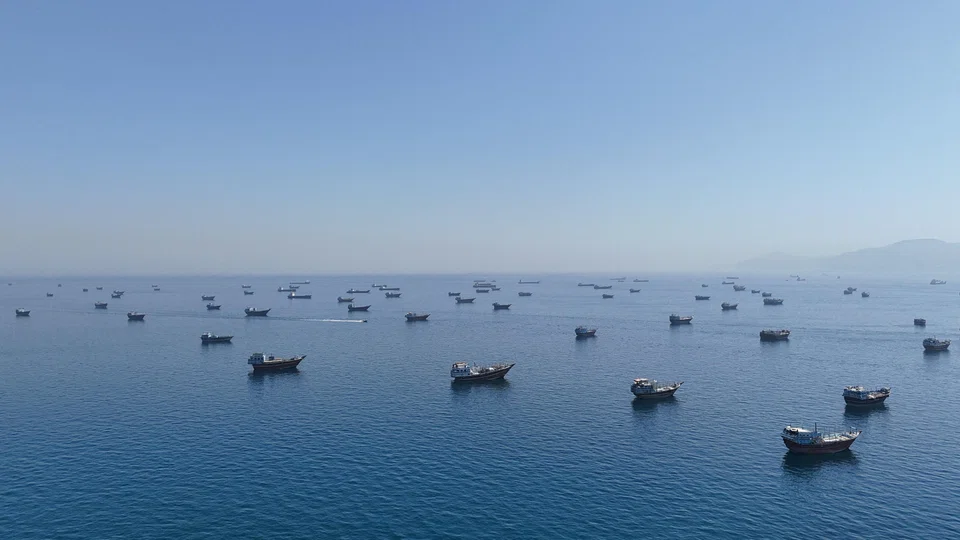
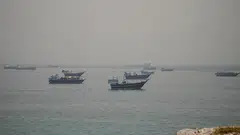
ASIA was quick to welcome the US-Iran deal to reopen the Strait of Hormuz, through which most of the region’s energy supplies flow. But many warned it’s too early to say if that will offer long-term relief to the world’s most populous and fastest-growing region.
Japanese Prime Minister Sanae Takaichi hailed the deal as a major step that she hopes leads to free and safe navigation in the waterway. Australia’s Prime Minister Anthony Albanese said the county was “pleased” while New Zealand Prime Minister Christopher Luxon said it was a “positive step” after the conflict “hit Kiwis’ back pockets.”
Those Kiwis were warned not to be too optimistic, though.
“I would sound a note of caution here,” Finance Minister Nicola Willis said a few hours after the news broke. “The situation in the Middle East is fragile and this is not the first time we’ve had news of a breakthrough.”
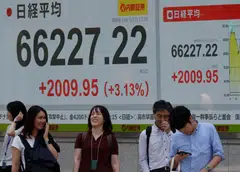
Stocks rallied, oil slumped and bonds fell in Asian trading on Monday (Jun 15) on expectations that traffic will begin to move freely in the Strait of Hormuz, the key Middle East chokepoint through which about 20 per cent of the world’s seaborne oil and gas exports had flowed.
Analysts also began rethinking expectations for central bank hikes, which had been looking more likely as inflation pressures built across the region.
But oil and gas shipowners and traders weren’t rushing to move out supplies, with many saying on Monday that they would wait for more details to assess whether safe transits are possible after months of false starts.
Selena Ling, chief economist at Oversea-Chinese Banking Corp. in Singapore, said in an interview that even if sustained, it will take a up to three months for oil and gas flows to recover, and that’s accounting for repairing damage to some export facilities. “Financial markets have moved ahead of the physical markets,” Ling said.
The deal underscores the depth of vulnerability and uncertainty Asian governments and consumers have been facing since the US and Israel launched the war in late February. The ability of Teheran’s leadership to hold on to power and impact the global economy complicated US President Donald Trump’s expectations for swift concessions.
SEE ALSO


There are many details outstanding and it’s far from certain that any peace will be lasting, Bloomberg Economics analysts including Becca Wasser wrote in a note. “Even with a deal, any reopening of the strait will be fragile and take time,” the analysts wrote.
The deal also raises questions on whether Asian countries will return to their pre-war reliance on the strait, or continue diversifying import routes and reassessing strategic reserves. Japan, which has long depended on the Middle East for much of its oil imports, has been among those scrambling to secure alternative sources, including from Central and South America and Africa.
“A legacy of this conflict would be a lot of adjustments. We’re going to see a lot of importers and a lot of countries thinking about additional and alternative logistics,” said Sara Vakhshouri, president and founder of SVB Energy International. “We’re going to see some long-term changes.”
Reopening the strait would provide relief across Asia, which consumed about 90 per cent of the oil flowing through the waterway before the conflict. While Asia’s largest economies China and Japan have weathered the disruption thanks to ample reserves and alternative supplies, some South-east Asian nations have been harder hit by the oil price surge and accompanying market volatility.
“A deal, if sustained, would alleviate some of the immediate supply concerns and easing of global prices would be particularly welcome for Indonesia, which has had fiscal strains from subsidising fuel, and the Philippines, which has taken the heaviest economic toll from the energy crunch,” said Peter Mumford, South-east Asia practice head at Eurasia Group.
Bonds trading in Asia rallied Monday, with 10-year Treasury yields falling by six basis points, while similar-dated Japan yields down by five basis points. The robust sentiment was also reflected in emerging Asia, with all currencies stronger against the US dollar, led by the Philippine peso. Indonesian bonds, which have been under heavy pressure, rebounded with the five-year yield tumbling by over 20 basis points.
Still, oil prices could remain above pre-war levels for a while and it could take longer for shipments of petrochemicals and other items to resume.
Ben Cahill from the Center for Strategic and International Studies said vessel owners and captains are still grappling with major uncertainties about transit through the waterway. Safety and fees will dictate the pace of resumption of flows through the channel, he said on Bloomberg TV.
“Until there is a broad understanding that it’s safe for oil and gas to flow through the Strait of Hormuz, you’re not going to see anywhere near a resumption of the pre-war flows, and that’s what really matters,” Cahill said. “Because if we don’t have anything like pre-war flows, that suggests that inventories will continue to decline, and governments will continue to have to make these emergency measures.” BLOOMBERG
Decoding Asia newsletter: your guide to navigating Asia in a new global order. Sign up here to get Decoding Asia newsletter. Delivered to your inbox. Free.
Share with us your feedback on BT's products and services
TRENDING NOW

Once staunchly pro-China, Malaysian Chinese businesses are now distancing themselves from Beijing

Looking beyond looming CEO succession, should UOB potentially pursue a transformative merger?

Could stablecoins be the future of money?

Grab CEO’s wife Chloe Tong on life with Anthony Tan and finding her purpose

