China buys more than half of US soybeans pledged
The purchases come as the Asian nation auctions off large volumes of soybeans from state reserves to clear space for the incoming cargoes
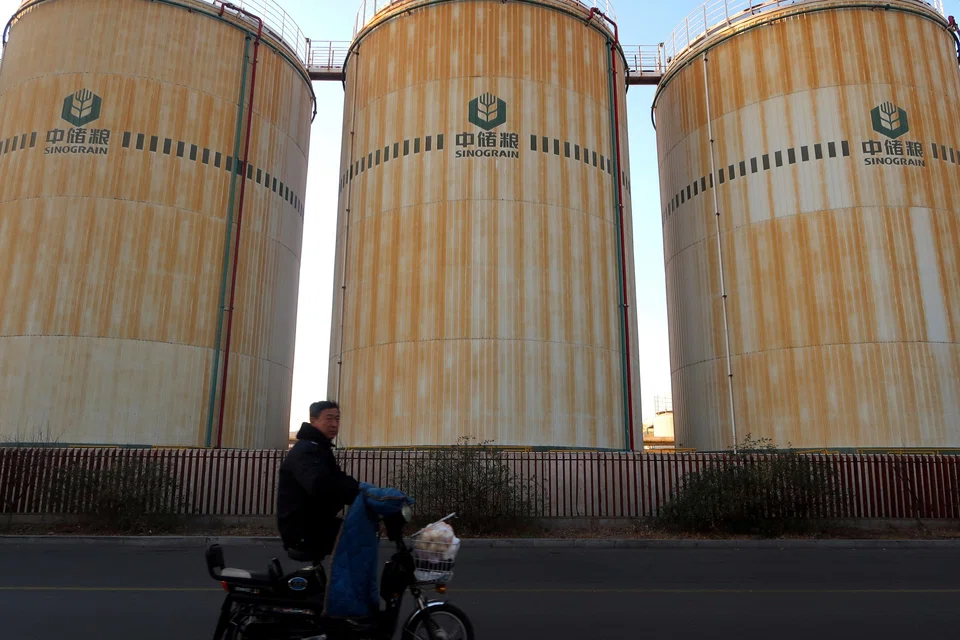
[BEIJING] China has secured at least seven million tonnes of US soybeans after heavy buying in the past two weeks, passing the halfway mark towards meeting its 12-million-tonne purchase agreement with President Donald Trump’s administration, people familiar with the deals said.
The tally follows a wave of buying by Sinograin, the state company in charge of managing China’s strategic grain reserves.
The stockpiler booked about two million tonnes from the US last week, the people said. That continued this week, with purchases of at least seven soybean cargoes, or more than 400,000 tonnes, they added.
The appearance of Sinograin in the market, which adds to deals booked by state-owned firm Cofco, can ramp up the pace of China’s imports.
The purchases are also coming as the Asian nation auctions off large volumes of soybeans from state reserves to clear space for the incoming cargoes.
Sinograin did not immediately reply to a fax seeking comments.
Grain markets and American farmers have been closely watching soybean purchases amid a lack of visibility into the agreement reached, after a meeting between Trump and his counterpart, Chinese President Xi Jinping, in late October.
The agreement called for China to buy at least 12 million tonnes of the oilseed. The Asian nation has yet to confirm details of its deal with the US.
American officials have also given differing deadlines for the purchases, adding more confusion.

The US initially said the goal would be reached by the end of the year, but Treasury Secretary Scott Bessent then said that the buying would be completed by the end of February, when China’s purchases from Brazil start to ramp up seasonally.
The pace of buying has been opaque. Officially, the US Department of Agriculture (USDA) has reported less than four million tonnes of soybeans sold to China, but the total has been widely considered to be higher.
The US government shutdown also delayed weekly export-sales data, keeping some of the purchases by China under wraps.
Additionally, US exporters have sold nearly three million tonnes of soybeans to unknown destinations until Nov 20, data from USDA disclosed.
Such cargoes would have their destinations changed to China at shipment.
Ultimately, sellers in the US and buyers in China expect the target to be met, but murkiness on exactly when the supplies will ship – coupled with an expected record Brazilian harvest in the next few months – means that prices remain under pressure.
Soybean futures in Chicago have slid nearly 9 per cent from a peak in November, giving up much of a rally sparked by hopes for the opening of Chinese trade.
“In the absence of the formalised deal, the market is concerned that we have too many beans,” said analyst Susan Stroud by phone, from agricultural market analysis firm No Bull Ag.
Brazil’s soybeans are already cheaper than the US. While current purchases by Chinese state firms are influenced by the trade pact, other private buyers have less of an incentive to overpay for American beans, with recent rainfall in Brazil helping to boost fields.
“This is an uphill battle from January and February forward,” Stroud said. “Traditionally, we do not gain back any sort of market share unless Brazil has a weather problem.”
Farmers and traders have been pining for a return of trade with China.
The country’s avoidance of US crops during the autumn harvest pressured farmers, and worsened a cash crunch at a time when bankruptcies have been rising.
The Trump administration unveiled a US$12 billion aid package earlier this month, in part to help farmers hurt by the tariff regime and low prices. BLOOMBERG
Decoding Asia newsletter: your guide to navigating Asia in a new global order. Sign up here to get Decoding Asia newsletter. Delivered to your inbox. Free.
Share with us your feedback on BT's products and services