

China halts Canada canola meal tariffs, adding to trade thaw
The lifting of the tariffs, which also applies to peas and crabs, will be in effect from Mar 31 to Dec 31

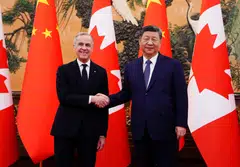
[BEIJING] China said it would drop tariffs on Canadian rapeseed meal and lobsters, easing disruptions to agricultural trade after Prime Minister Mark Carney’s January visit.
The halt – which also applies to peas and crabs – will be in effect from Mar 1 to Dec 31, the government said on Friday (Feb 27).
It comes after Canada pledged to significantly cut import duties on 49,000 Chinese electric vehicles (EVs), helping to repair a trade rift that has tested relations between the nations.
However, it remains unclear the level to which China will lower tariffs on rapeseed itself, a crop known as canola in Canada.
Carney had signalled that duties on the product would be dropped to 15 per cent as at Mar 1, a significant reduction.
China is willing to work with Canada to “push for the healthy, stable and sustainable development of China-Canada ties”, a Ministry of Commerce spokesperson said.
The thaw follows a prolonged period of tensions after Canada imposed tariffs on Chinese EVs, steel and aluminium in 2024.
That prompted Beijing to respond with 100 per cent duties on Canadian rapeseed oil and meal, starting an anti-dumping probe that also led to levies on the crop.
Canola futures in New York have climbed in the wake of Carney’s visit, recently reaching its highest since August.

Canada is the world’s largest exporter of the oilseed, which is crushed into cooking oil and animal feed, and traders in China had already begun booking cargoes in anticipation of the change.
The disruptions in the rapeseed-meal trade have posed a challenge for China’s fishery sector, as shrimp, crabs and carp all feed heavily on the product. BLOOMBERG
Decoding Asia newsletter: your guide to navigating Asia in a new global order. Sign up here to get Decoding Asia newsletter. Delivered to your inbox. Free.
Share with us your feedback on BT's products and services