



China luxury market forecast to rebound in 2026: Bain
This is due to a growing middle class, rising consumer confidence and policy measures that spur domestic consumption
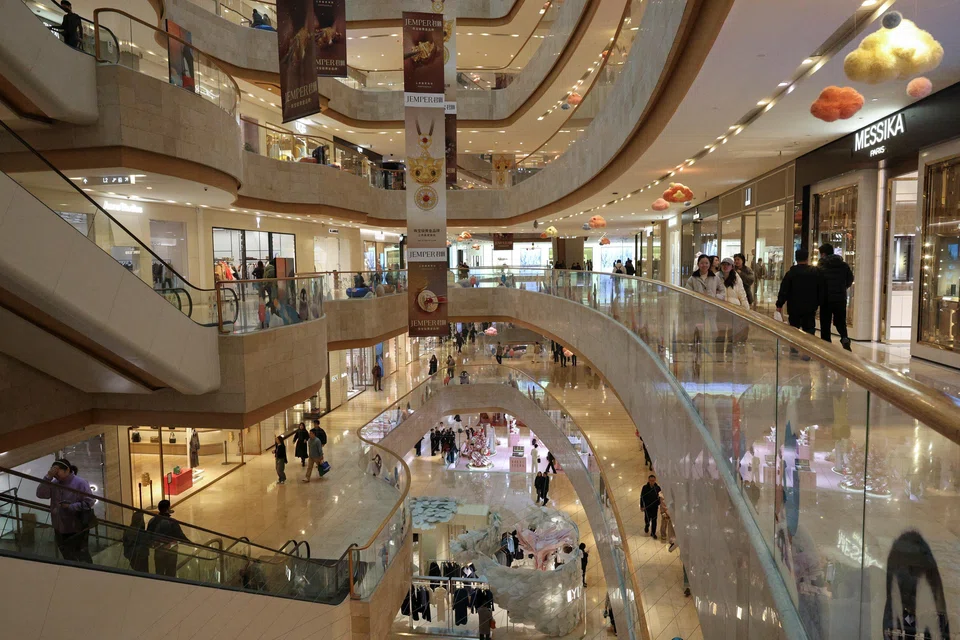
[BEIJING] China’s personal luxury goods market is expected to return to modest growth in 2026, consultancy Bain & Company said on Thursday (Jan 29), but warned that the recovery would be fragile and uneven across brands and categories.
The mainland luxury market shrank 3 to 5 per cent in 2025, recovering from a drop of 17 to 19 per cent in 2024, and the consultancy forecast that the world’s second largest economy would remain a “cornerstone of luxury market growth”.
In its latest China luxury report, the consultancy said that brands catering to affordable luxury and ultra-premium segments emerged as the winners, delivering perceived “true value”.
Consumer confidence in China, which accounts for about a quarter of luxury spending, has been hit by a prolonged property crisis and job concerns, forcing luxury brands to rethink their strategies in the world’s second-largest economy.
Despite cautious consumer sentiment in much of 2025, the luxury sector showed signs of stabilisation from the third quarter, helped by a stronger stock market and better consumer confidence, while coming off the weak base of 2024, it added.
Looking ahead, Bain expects “modest” expansion in 2026, supported by a growing middle class, rising consumer confidence and policy measures that spur domestic consumption.
However, the growth will stay “segment specific”, said Bruno Lannes, a senior partner.
The consultancy described 2025 as a “recalibration” year for China, with shoppers becoming more selective and trending towards items offering “true value”.
Home-grown players
Travel and wellness experiences retained priority over material purchases, it said, adding that the rise of local players was a key trend in 2025.



“These emerging Chinese brands are capturing consumer attention with offerings that blend innovation and cultural relevance, positioning them as strong competitors,” it added.
Performance across categories was mixed, with beauty the strongest, rebounding to a growth of 4 to 7 per cent, while the demand for fashion fell 5 to 8 per cent. That still outperformed leather goods, which dropped 8 to 11 per cent, hurt in part by price hikes.
The demand for watches slumped an estimated 14 to 17 per cent, as consumers turned to investments or secondhand alternatives. The jewellery sector’s decline narrowed to up to 5 per cent.
“Brands that maintain strong desirability and deliver clear value, through innovation and targeted pricing strategies, are proving more resilient,” the consultancy said.
The report supports recent earnings results from the likes of Louis Vuitton Moet Hennessy, which had better-than-expected sales in the fourth quarter, benefitting from improved China demand, though chief executive officer Bernard Arnault said that he was cautious about the year ahead.
Burberry also beat expectations for sales growth in the key holiday quarter, which the British luxury brand attributed to successfully attracting more Chinese Generation Z consumers.
In January, Cartier owner Richemont reported sales ahead of market expectations, partly thanks to a continued recovery in greater China, its second-biggest market.
Bain said that domestic spending accounted for 65 per cent of Chinese luxury spending in 2025, reversing the rebound in overseas demand of the previous two years.
A weaker currency and narrowing global price gaps pushed more purchases back to the domestic market, despite a recovery in outbound travel.
The second-hand luxury segment grew 15 to 20 per cent. Daigou sales, or purchases for others – long a pillar of Chinese luxury spending abroad – showed signs of restraint as brands tightened control of unofficial channels. REUTERS
Decoding Asia newsletter: your guide to navigating Asia in a new global order. Sign up here to get Decoding Asia newsletter. Delivered to your inbox. Free.
Share with us your feedback on BT's products and services
TRENDING NOW

DBS, OCBC, UOB rout lops billions off STI as inflation, rate concerns spook investors

Grab CEO’s wife Chloe Tong on life with Anthony Tan and finding her purpose

OCBC sheds S$8 billion in value as shares close nearly 6% down; analysts cautious on banks

Deal between tycoon friends sparks scrutiny of Philippine power sector

