



China mulls M&A fund for tech innovation amid rivalry with US
The announcement underscores the urgency with which China is pursuing its tech ambitions
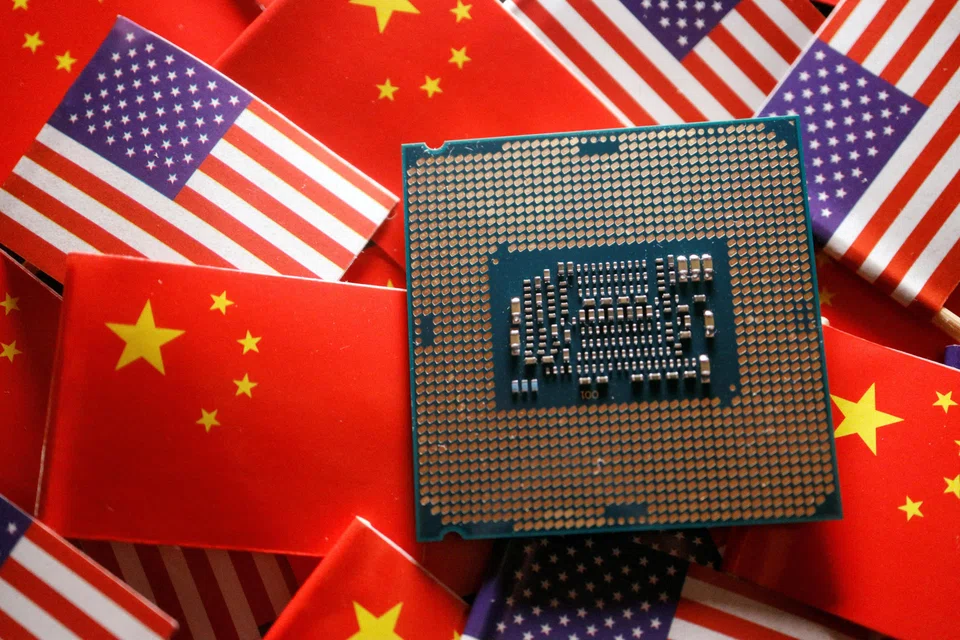
[BEIJING] China, locked in a battle to lead technologies ranging from robotics to artificial intelligence, is studying whether to set up a national mergers and acquisition fund as Beijing ramps up its push for technological breakthroughs.
“We will explore establishing a national-level merger and acquisition fund,” Wang Changlin, vice-chairman of the National Development and Reform Commission (NDRC), said at a press conference Tuesday (Jan 20).
China will “strengthen the planning and guidance of government investment funds, promote innovation, entrepreneurship, and creativity, and accelerate the cultivation and development of new productive forces,” he said, using a catch-all term for emerging and high-tech sectors. Wang did not offer further details.
The announcement underscores the urgency with which China is pursuing its tech ambitions, where it’s a leader in dronemaking and a contender in AI through homegrown firms like DeepSeek. The country is building large numbers of data centres, and the M&A fund announcement comes after last month’s launch of a national venture capital fund backed by 100 billion yuan (S$18.4 billion).
The M&A fund will likely help complete an investment ecosystem for investors, according to Yin Ming, vice-president at Shanghai-based Baptized Capital.
“The new fund will seek to encourage more M&A deals for technology firms with a certain scale, so it’s easier for early backers including the state venture funds to exit at an appropriate time,” Yin said. “That way it also clears some hurdles for potential early investors before they decide to put their money in.”



Chinese officials have pointed to longer timelines for recouping investments as an advantage associated with government money. But scholars have warned that the government’s lower tolerance for risk could be an impediment to growth for high-tech firms, urging Beijing to allow the private sector play a bigger role.
China has continued to guide investment into sectors that it sees as strategically important, especially as its rivalry with the US heats up in areas such as semiconductors. But tighter fiscal conditions – including rising debt risks and weaker revenue – have forced the government to be more disciplined about how it invests.
“Practice has proven that “strangleholds” can’t hold back progress,” the NDRC’s Wang said, referring to industries such as semiconductors which the US has used as leverage in its trade war with China. “China possesses a powerful innovative spirit and immense potential for innovation.” BLOOMBERG
Decoding Asia newsletter: your guide to navigating Asia in a new global order. Sign up here to get Decoding Asia newsletter. Delivered to your inbox. Free.
Share with us your feedback on BT's products and services
TRENDING NOW

Once staunchly pro-China, Malaysian Chinese businesses are now distancing themselves from Beijing

Looking beyond looming CEO succession, should UOB potentially pursue a transformative merger?

Could stablecoins be the future of money?

Grab CEO’s wife Chloe Tong on life with Anthony Tan and finding her purpose

